 EN▾











Money, ATMs and SIM cards in Sumba: what to know
Cash or card in Sumba? Where the ATMs are, how much cash to carry, mobile coverage, which SIM works best and how to stay connected on the island.

Sumba runs on cash. The towns have banks and ATMs, but the beaches, villages and waterfalls that you came to see usually do not even have a shop. A little planning avoids awkward moments. Here is how money and mobile connections work on the island.
Cash is king
Carry Indonesian rupiah in cash for drivers, small guesthouses, warungs (local eateries), parking, entrance fees and village contributions. Small notes are precious: change for a 100,000 rupiah note can be hard to find in a village, so keep a stack of 2,000, 5,000, 10,000 and 20,000 notes.
ATMs
- Where: Waingapu, Waikabubak, Tambolaka and Waibakul have banks and ATMs. Look for the big Indonesian banks such as BRI, BNI, Mandiri and BCA.
- Limits: withdrawals per transaction are limited, and machines sometimes run out of cash at weekends or holidays. Withdraw when you can, not when you must.
- Cards: foreign cards usually work at major bank ATMs; tell your bank you are travelling and have a backup card.
Cards and transfers
Some larger hotels accept cards. Many local businesses accept Indonesian bank transfers or QR payments (QRIS) through local apps, which visitors usually cannot use. Plan on cash for almost everything else.
How much cash to carry
It depends on your style of travel. Count your driver and fuel (usually agreed per day), meals, entry and parking fees, village contributions and any guesthouses that do not take cards. Our budget guide helps estimate a daily figure. Split cash between bags, and keep a reserve for emergencies.
Mobile coverage and SIM cards
Telkomsel generally has the widest network in East Nusa Tenggara. In towns 4G works well; along the main roads coverage is usually fine; on remote beaches, in valleys and on the south coast it can disappear. Buy a SIM in Bali before flying, or in a Sumba town at an official counter; you need your passport to register it. eSIMs that use Indonesian networks are a convenient option if your phone supports them.
Staying connected
- Download offline maps before you go; our interactive map keeps map tiles you have viewed on your phone.
- Tell your accommodation your plans when heading to remote places.
- Many guesthouses have Wi-Fi, often slow; do not count on it for video calls.
- Keep a power bank: power cuts happen.
See also: practical tips for Sumba and getting around.
FAQ
Are there ATMs in Sumba?
Yes, in the main towns: Waingapu, Waikabubak, Tambolaka and Waibakul. Outside towns there are almost none, so withdraw before heading out.
Can I pay by card in Sumba?
Some larger hotels accept cards, but most guesthouses, warungs, drivers, village contributions and entry fees are cash only.
Which SIM card works best in Sumba?
Telkomsel generally has the widest coverage in East Nusa Tenggara. Coverage is good in towns and patchy on remote coasts and in the hills.
Guides
Hiring a driver in Sumba: how it works and what to agree
How to hire a car with driver in Sumba: where to find one, what is usually included, questions to ask, scooter vs car, and tips for a smooth trip.

Sumba travel guide: everything you need to plan your trip
The complete guide to Sumba, Indonesia: when to go, how to get there from Bali, the four regions, what to see, costs, safety, etiquette and itineraries.
25 best things to do in Sumba
From Weekuri Lagoon to the Pasola, the dancing trees of Walakiri and the megalithic tombs of Anakalang: the best experiences on Sumba island, with a map.
The best beaches in Sumba (with map)
Every beach worth the drive on Sumba: lagoons, surf breaks, sunset spots and empty white sand on all four coasts, with tips on safety and access.
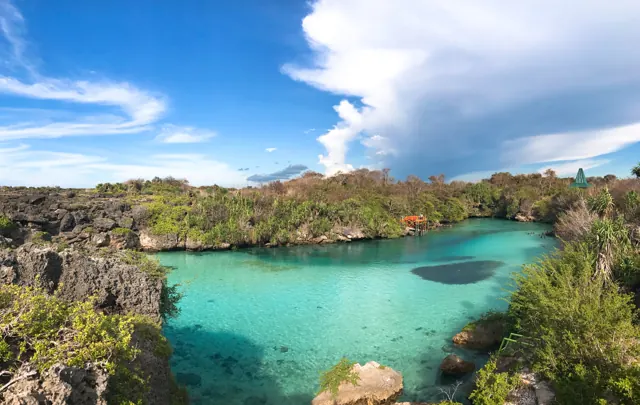
How to get from Bali to Sumba: flights, ferries and airports
Flights from Bali to Tambolaka (TMC) and Waingapu (WGP), which airport to choose, baggage limits, ferries and how to get from the airport to your hotel.
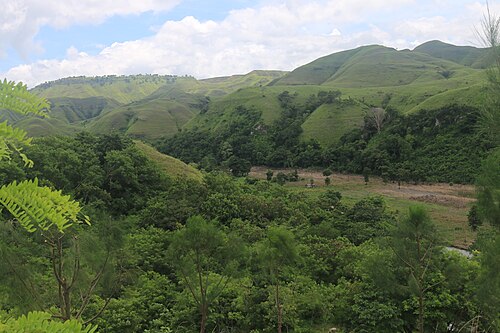
Getting around Sumba: drivers, scooters, roads and maps
How to travel around Sumba: hiring a car with driver, renting a scooter, road conditions, fuel, mobile signal and offline maps.