 EN▾





25 best things to do in Sumba
From Weekuri Lagoon to the Pasola, the dancing trees of Walakiri and the megalithic tombs of Anakalang: the best experiences on Sumba island, with a map.
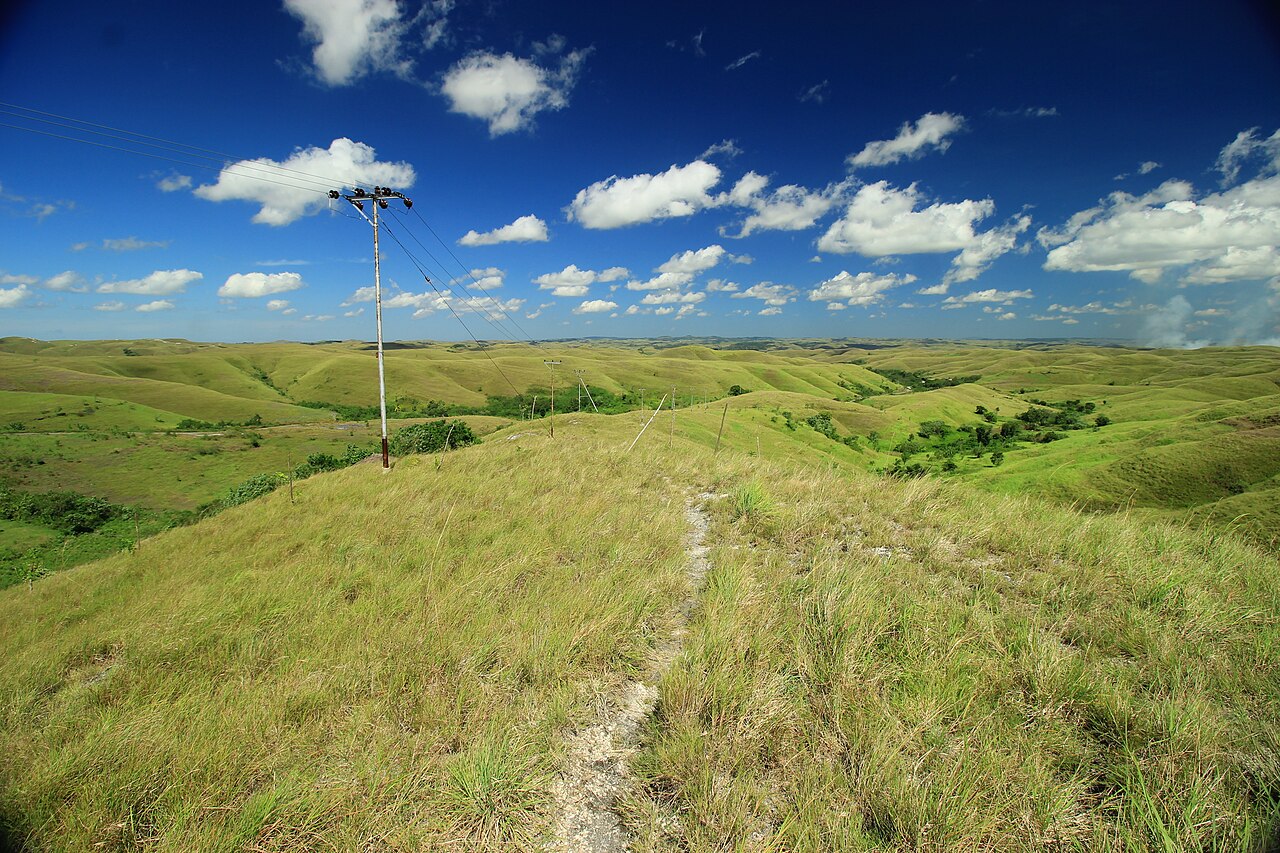

Sumba rewards curiosity. Here are the experiences that make the island special, grouped by type, with links to each place on our interactive map. Distances are long, so pick a region and explore it well rather than trying to do everything.
Nature and swimming
1. Float in Weekuri Lagoon
Weekuri Lagoon is a saltwater pool cut off from the ocean by a wall of coral rock. Waves push sea water through the cracks, so the water stays clear and turquoise. Go early on a weekday.
2. Watch the cliffs of Mandorak
A tiny white cove between two cliffs, minutes from Weekuri. Mandorak is at its best around sunset.
3. Swim under Lapopu waterfall
Lapopu tumbles down a staircase of rock inside Matalawa National Park in the west, with pools below.
4. Explore the canyon pools of Tanggedu
In the east, a river has carved a narrow canyon of turquoise pools at Tanggedu. The walk across the savanna is part of the experience.
5. Find the hidden pool of Waimarang
Waimarang is a jungle waterfall into a deep green pool, reached on foot in East Sumba.
6. Walk through the rice fields to Weekacura
Weekacura is unusual: a series of low cascades in the middle of working paddies.
7. Look for the Sumba hornbill
The highlands of Wanggameti and the forests of Matalawa National Park are home to endemic birds, including the Sumba hornbill.
Viewpoints and savanna
8. Sunset on Wairinding Hill
Wairinding, half an hour from Waingapu, is the classic view of Sumba's rolling hills, green in the rains and golden in the dry season.
9. The savanna and horses of Puru Kambera
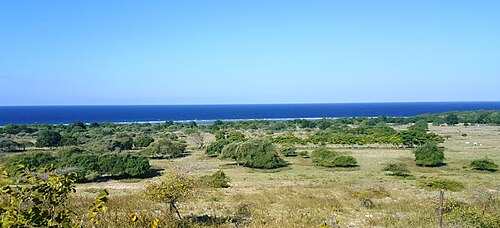
Puru Kambera combines open grassland, grazing horses and a long beach on the east coast.
10. The quiet north coast of Mamboro
The Mamboro savanna and nearby beaches such as Kapulit and Mananga see almost no visitors. See our top 10 around Mamboro.
11. The Napu valley and Wunga
On the dry north coast of East Sumba, Napu and Wunga feel like the end of the world.
Beaches and surf
12. The dancing trees of Walakiri
At low tide and sunset, the mangroves of Walakiri stand out against the sky like dancers. Check the tide before going.
13. Sunset at Pero
Pero is a fishing village and beach on the Kodi coast with some of the best sunsets in the west.
14. Surf the south coast
Sumba's south coast faces the open Indian Ocean. Reef breaks near Marosi, Watu Maladong and Tarimbang are for experienced surfers. Read surfing in Sumba.
15. A black-sand beach
Most of Sumba's beaches are white. Konda, on the south coast of Central Sumba, is black.
All of them are in our guide to the best beaches.
Culture and traditions
16. Visit a traditional village
The tall-roofed houses and stone tombs of Ratenggaro, Wainyapu, Tarung and Pasunga are unforgettable. Read how to visit them respectfully.
17. See the megalithic tombs of Anakalang
Central Sumba has some of the largest stone tombs on the island, such as Gallubakul.
18. Watch the Pasola
In February and March, riders in western Sumba throw blunt spears at each other in a ritual tied to the Marapu calendar. See our Pasola guide.
19. Learn about Marapu
Understanding the ancestral religion changes how you see everything on the island. Start with Marapu explained.
20. Watch ikat being woven
The weaving villages of Prailiu and Rende in the east make some of Indonesia's most admired textiles. Read how to buy ikat well.
21. Visit Wunga, where the ancestors landed
According to Sumbanese oral tradition, Wunga is where the first ancestors came ashore.
Food and daily life
22. Eat fresh fish with the fishermen
Buy the catch at Padadita in Waingapu or at Mananga on the north coast. See what to eat in Sumba.
23. Visit a market
Weekly markets in the towns are the best place to see betel nut, ikat, livestock and local produce change hands.
24. Watch salt being made
On the north coast at Lenang, villagers still make salt the traditional way.
25. Drive across the island
The road from Tambolaka to Waingapu crosses every landscape on Sumba in a day. Fly into one airport and out of the other and make the drive part of the trip.
FAQ
What is Sumba most famous for?
Its traditional villages with tall thatched roofs and megalithic tombs, the Pasola horseback ritual, ikat textiles, Weekuri Lagoon, the savanna hills of the east and world-class surf on the south coast.
What can you do in Sumba in one day?
From Tambolaka you can visit Weekuri Lagoon, Mandorak Beach, Ratenggaro village and watch the sunset at Pero Beach in one long day.
Can you swim in Weekuri Lagoon?
Yes. It is a calm saltwater lagoon and the most popular swimming spot on the island. Go early to avoid the crowds.
Guides
Where to stay in Sumba: the best areas for every trip
Which area of Sumba to stay in: Tambolaka and Kodi, Waikabubak and the south-west coast, Central Sumba and Waingapu in the east, and how to split your nights.
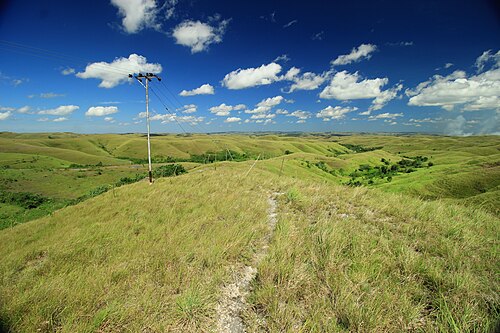
Places to visit in Sumba: all 41 spots by region
Every place worth visiting in Sumba, grouped by region with a one-line description, map links and distances: beaches, waterfalls, villages, hills and culture.
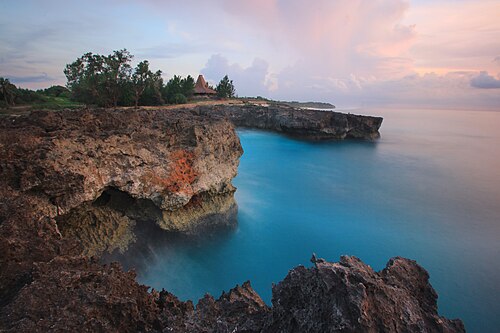
The best beaches in Sumba (with map)
Every beach worth the drive on Sumba: lagoons, surf breaks, sunset spots and empty white sand on all four coasts, with tips on safety and access.
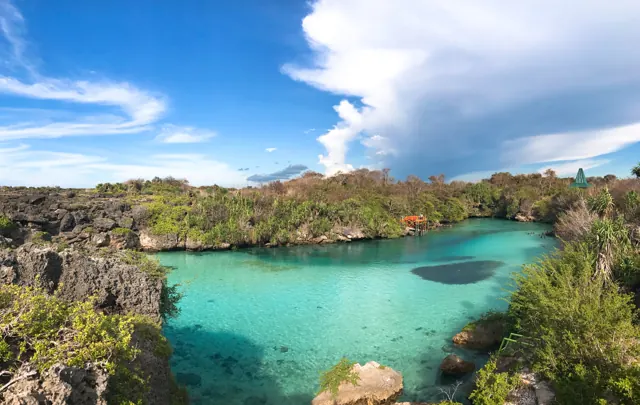
How to get from Bali to Sumba: flights, ferries and airports
Flights from Bali to Tambolaka (TMC) and Waingapu (WGP), which airport to choose, baggage limits, ferries and how to get from the airport to your hotel.
What to eat in Sumba: food, coffee and where to find it
Fresh fish, smoked meat, local vegetables, Sumba coffee and the betel-nut ritual: what you will eat on the island and practical tips.
Ferry to Sumba: routes from Flores, Sumbawa, Bali and Timor
How to reach Sumba by boat: Pelni and ASDP routes to Waingapu and Waikelo, typical crossing times, what the ships are like and how to check schedules.