 EN▾











Traditional villages in Sumba: which to visit and how
Ratenggaro, Wainyapu, Tarung, Pasunga, Prailiu, Rende and more: what to see in Sumba's megalithic villages and how to visit respectfully.


Nowhere else in Indonesia do you see villages quite like Sumba's: rows of houses with towering thatched roofs facing a square of massive stone tombs. They are inhabited homes and the centre of a living belief system, so visit with curiosity and respect.
What you will see
- The houses: raised on stilts, with animals below, people in the middle and a tall sacred roof above, where heirlooms are kept.
- The tombs: huge stone slabs, sometimes dragged by hundreds of people, mark the graves of ancestors in the village square.
- Buffalo horns and pig jaws: hung on the houses as a record of past ceremonies and sacrifices.
The best villages to visit
Ratenggaro (Southwest Sumba)
Ratenggaro has some of the tallest roofs on the island and stands by the sea, facing Wainyapu across a river mouth.
Tarung (West Sumba)
Tarung sits on a hill in the middle of Waikabubak, an easy walk from the shops.
Waigalli (West Sumba)
Waigalli overlooks Wanokaka, near the Pasola field.
Pasunga and Gallubakul (Central Sumba)
Anakalang has some of the finest megalithic tombs on Sumba: Pasunga on the main road and Gallubakul, home to a slab said to weigh around 70 tonnes.
Deri Kambajawa (Central Sumba)
Deri Kambajawa is known for tower-like clan houses up to about 30 metres. Remote: go with a local guide.
Prailiu and Rende (East Sumba)
Prailiu, near Waingapu, and Praiyawang in Rende are centres of East Sumba's ikat weaving and royal traditions.
Wunga (East Sumba)
Wunga, on the north coast, is where oral tradition says the first ancestors landed.
How to visit respectfully
- Go with a local guide or driver who can introduce you.
- Sign the guestbook and leave a donation.
- Ask before photographing people, houses' interiors or sacred objects.
- Never sit or climb on the stone tombs.
- Dress modestly, covering shoulders and knees.
- Buy crafts directly from the makers instead of giving money to children.
- If a ceremony or funeral is taking place, ask whether visitors are welcome before approaching.
Read more in respect and etiquette in Sumba and Marapu explained.
Visiting well
Go with a local guide or driver who can introduce you, sign the guestbook and leave a contribution, dress modestly, and ask before photos. Never climb on the tombs. Read village etiquette, traditional houses and megalithic tombs first.
📍 Places in this guide at a glance
| Place | Region | Type | Nearest airport |
|---|---|---|---|
| Ratenggaro Village | Southwest Sumba | 🛖 Villages | ✈ TMC · 36 km · 1 h 30 min |
| Wainyapu Village | Southwest Sumba | 🛖 Villages | ✈ TMC · 36 km · 1 h 30 min |
| Tarung Village | West Sumba | 🛖 Villages | ✈ TMC · 31 km · 1 h 15 min |
| Waigalli Village | West Sumba | 🛖 Villages | ✈ TMC · 40 km · 1 h 45 min |
| Pasunga Village | Central Sumba | 🛖 Villages | ✈ TMC · 41 km · 1 h 45 min |
| Gallubakul stone tomb | Central Sumba | 🐎 Culture | ✈ TMC · 42 km · 1 h 45 min |
| Deri Kambajawa Village | Central Sumba | 🛖 Villages | ✈ TMC · 50 km · 2 h |
| Prailiu Royal Village | East Sumba | 🛖 Villages | ✈ WGP · 3 km · 15 min |
| Praiyawang, Rende | East Sumba | 🛖 Villages | ✈ WGP · 50 km · 2 h |
| Wunga Village | East Sumba | 🛖 Villages | ✈ WGP · 51 km · 2 h 15 min |
🛖 Every villages on our map
- Ratenggaro Village (Southwest Sumba). A traditional Kodi village of towering thatched roofs and stone megalithic tombs set right above the beach.
- Wainyapu Village (Southwest Sumba). Ratenggaro's quieter neighbour, across the river mouth.
- Tarung Village (West Sumba). A hilltop traditional village in the middle of Waikabubak, the capital of West Sumba.
- Prailiu Royal Village (East Sumba). A traditional royal village inside Waingapu, known for its hand-woven ikat.
- Praiyawang, Rende (East Sumba). The old royal village of Rende in south-east Sumba, famous for some of the largest carved stone tombs on the island and for fine ikat.
- Wunga Village (East Sumba). A traditional village on the dry north coast of East Sumba.
- Waigalli Village (West Sumba). A hilltop traditional village in Wanokaka, West Sumba, with high-roofed houses and stone tombs, close to the field where the Wanokaka Pasola is held.
- Pasunga Village (Central Sumba). A traditional village in Anakalang, Central Sumba, with rows of high-roofed houses facing each other across a square of megalithic stone tombs.
- Deri Kambajawa Village (Central Sumba). A traditional village in the Umbu Pabal customary area, east of Waibakul, known for its tower-like clan houses that reach up to about 30 metres, among the tallest in Sumba.
- Prai Ijing Village (West Sumba). A traditional village in Tebara, on the edge of Waikabubak in West Sumba, with several dozen high-roofed clan houses rising in terraces up a hillside around megalithic tombs.
FAQ
Do you have to pay to visit villages in Sumba?
Usually you sign a guestbook and leave a donation. It is a contribution to the community, not an entrance fee.
Can I take photos in Sumba's villages?
Ask first, especially for photos of people and of sacred objects. Some villages ask for an extra contribution for drones or professional shoots.
Why are the roofs so tall?
The high roof is the sacred upper level of the house, where heirlooms and offerings to the ancestors are kept, in line with Marapu beliefs.
Guides
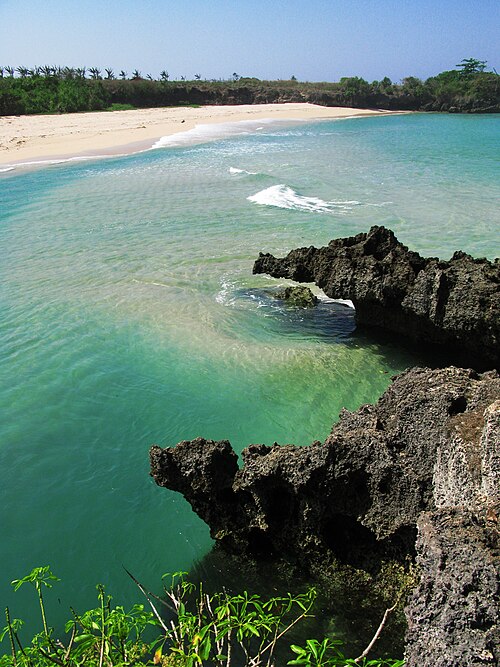
Is Sumba worth visiting? An honest answer
The good and the hard parts of travelling in Sumba, who will love it and who should choose somewhere else.
Hiring a driver in Sumba: how it works and what to agree
How to hire a car with driver in Sumba: where to find one, what is usually included, questions to ask, scooter vs car, and tips for a smooth trip.
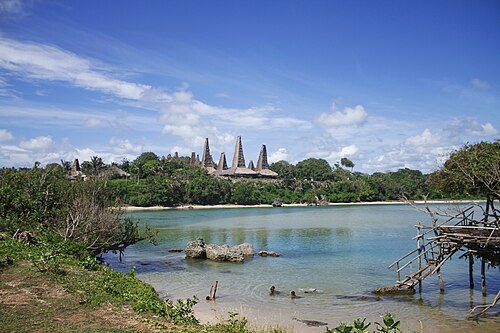
Sumba's traditional houses: the tall thatched roofs explained
Why Sumbanese houses have tall peaked roofs, what each level is for, how they connect to the ancestors, and the best villages to see them.
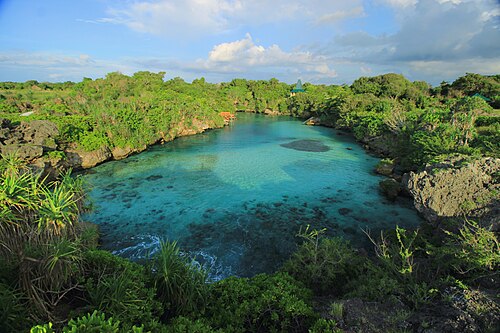
Sumba travel guide: everything you need to plan your trip
The complete guide to Sumba, Indonesia: when to go, how to get there from Bali, the four regions, what to see, costs, safety, etiquette and itineraries.
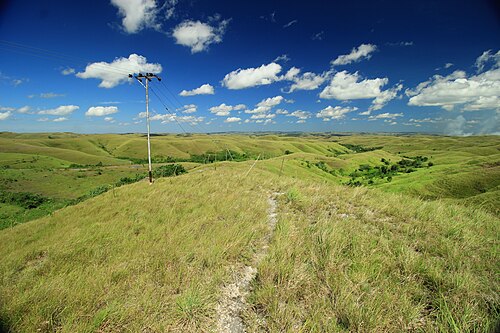
25 best things to do in Sumba
From Weekuri Lagoon to the Pasola, the dancing trees of Walakiri and the megalithic tombs of Anakalang: the best experiences on Sumba island, with a map.
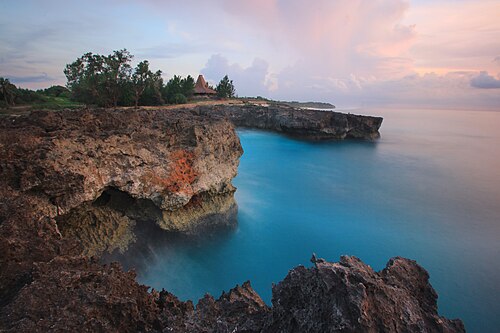
The best beaches in Sumba (with map)
Every beach worth the drive on Sumba: lagoons, surf breaks, sunset spots and empty white sand on all four coasts, with tips on safety and access.