 EN▾











Sumba's traditional houses: the tall thatched roofs explained
Why Sumbanese houses have tall peaked roofs, what each level is for, how they connect to the ancestors, and the best villages to see them.


The silhouettes of Sumbanese houses, with their towering thatched roofs, are among the most striking sights in Indonesia. They are more than architecture: each house is a link between the living family and its ancestors.
Three levels, three worlds
Traditional houses are usually described in three levels. Below the raised floor live animals such as pigs and chickens. The middle level is the family's home, with the hearth and sleeping areas, organised by rules about where men and women sit and work. The high roof is the sacred space, linked to the ancestors and the Marapu spirits, where heirlooms and ritual objects are kept.
Materials and building
Houses are built with wooden pillars, bamboo and thatch from grass. Construction and repair involve the whole clan and ceremonies. Fires are a constant risk with thatch, and some villages have been rebuilt after fires; today some roofs use other materials, but the shape is preserved.
Villages to visit
- Ratenggaro: among the tallest roofs on the island, by the sea in Kodi.
- Wainyapu: a large village near Ratenggaro.
- Tarung: on a hill in Waikabubak, easy to reach.
- Prai Ijing: a photogenic village in green surroundings near Waikabubak.
- Praiyawang (Rende) and Prailiu: East Sumba, known for ikat.
Visiting
These are homes: ask before entering, sign the guestbook and leave a contribution, dress modestly and go with a guide when possible. Read our guide to traditional villages and etiquette.
📍 Places in this guide at a glance
| Place | Region | Type | Nearest airport |
|---|---|---|---|
| Ratenggaro Village | Southwest Sumba | 🛖 Villages | ✈ TMC · 36 km · 1 h 30 min |
| Wainyapu Village | Southwest Sumba | 🛖 Villages | ✈ TMC · 36 km · 1 h 30 min |
| Tarung Village | West Sumba | 🛖 Villages | ✈ TMC · 31 km · 1 h 15 min |
| Prai Ijing Village | West Sumba | 🛖 Villages | ✈ TMC · 34 km · 1 h 30 min |
| Praiyawang, Rende | East Sumba | 🛖 Villages | ✈ WGP · 50 km · 2 h |
| Prailiu Royal Village | East Sumba | 🛖 Villages | ✈ WGP · 3 km · 15 min |
FAQ
Why do Sumba houses have such tall roofs?
In the Marapu tradition, the high roof is a sacred space linked to the ancestors, where heirlooms are kept. The peak marks the importance of the clan house.
What is inside a traditional Sumba house?
Typically three levels: the space below the floor for animals, the living level for the family with the hearth, and the high roof for sacred heirlooms and offerings.
Where can I see traditional houses?
Ratenggaro and Wainyapu in Kodi, Tarung and Prai Ijing near Waikabubak, and Praiyawang in East Sumba.
Guides
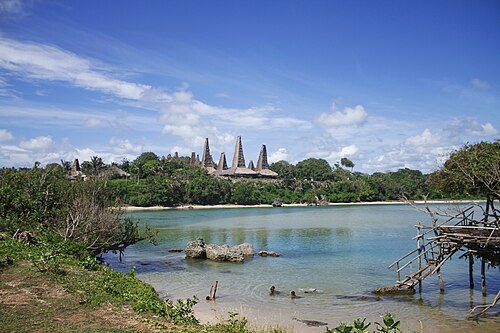
Traditional villages in Sumba: which to visit and how
Ratenggaro, Wainyapu, Tarung, Pasunga, Prailiu, Rende and more: what to see in Sumba's megalithic villages and how to visit respectfully.
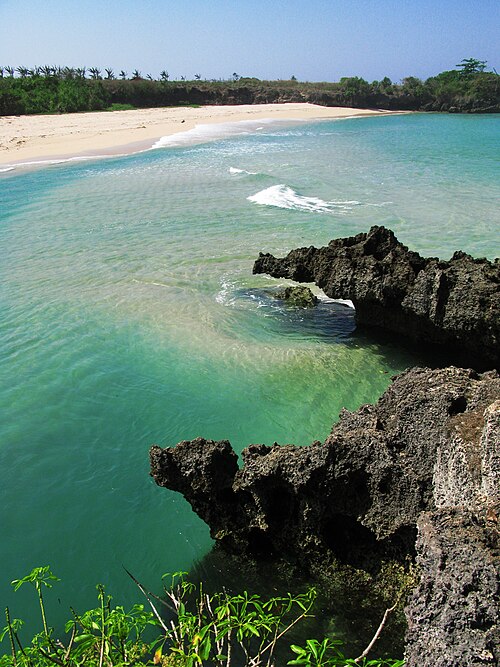
Is Sumba worth visiting? An honest answer
The good and the hard parts of travelling in Sumba, who will love it and who should choose somewhere else.
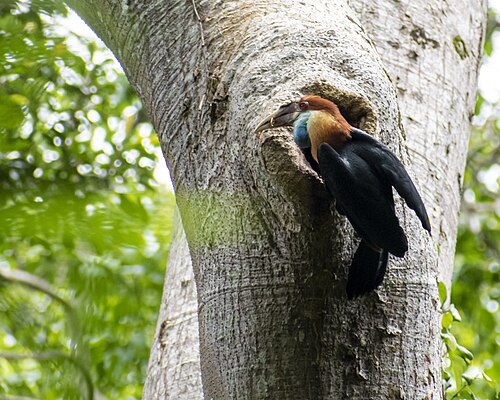
Hiring a driver in Sumba: how it works and what to agree
How to hire a car with driver in Sumba: where to find one, what is usually included, questions to ask, scooter vs car, and tips for a smooth trip.
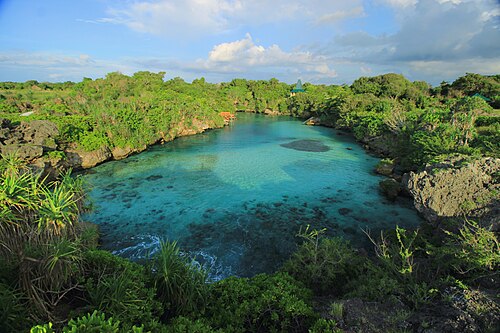
Sumba travel guide: everything you need to plan your trip
The complete guide to Sumba, Indonesia: when to go, how to get there from Bali, the four regions, what to see, costs, safety, etiquette and itineraries.
25 best things to do in Sumba
From Weekuri Lagoon to the Pasola, the dancing trees of Walakiri and the megalithic tombs of Anakalang: the best experiences on Sumba island, with a map.
The best beaches in Sumba (with map)
Every beach worth the drive on Sumba: lagoons, surf breaks, sunset spots and empty white sand on all four coasts, with tips on safety and access.