 EN▾











Is Sumba safe? An honest guide for travellers
An honest look at safety in Sumba: roads, the sea, health, theft, village visits and local customs, with practical tips to travel calmly.
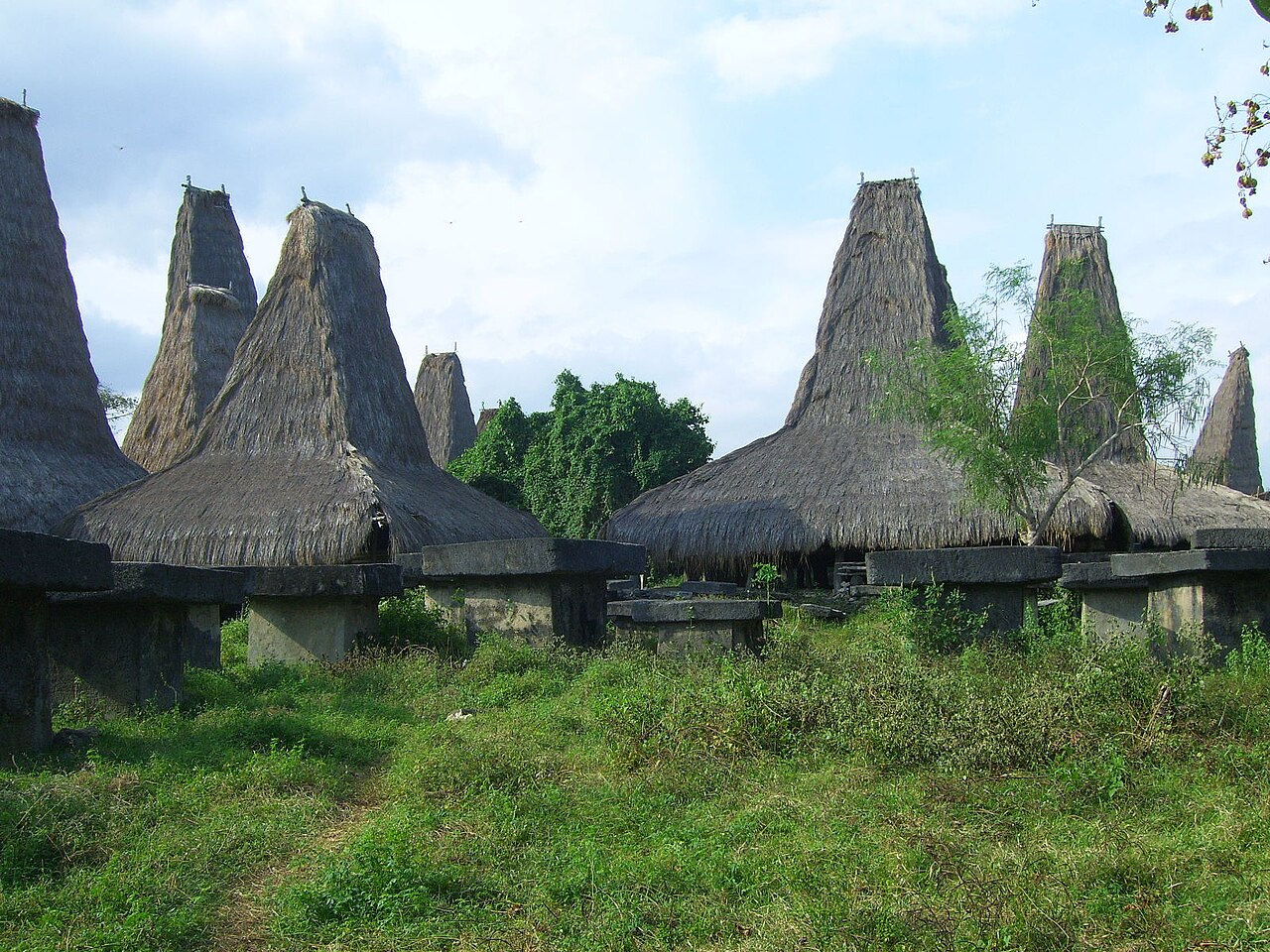

Sumba has a reputation, sometimes exaggerated, for being wild. The truth for travellers is simpler: it is a calm, welcoming island where the main risks are practical ones, roads, sea and distance from hospitals, rather than crime. Here is an honest overview.
People and crime
Most visitors find Sumbanese people friendly and curious, especially in villages. Petty theft can happen, as anywhere, so keep valuables out of sight in cars and lock your room. Children sometimes ask for sweets or money at popular sights; a smile and a firm no is fine. Buying ikat or paying a village contribution supports local families in a better way.
Sumba has old traditions around land, livestock and family honour. Disputes between locals occasionally happen but rarely involve visitors. Follow local advice and do not get involved in arguments.
Roads
Road travel is the biggest risk. Roads are narrow, often potholed, with blind curves, livestock and few lights. Avoid driving at night, choose a driver recommended by your accommodation, and use seat belts where there are any. Riding a scooter is only for experienced riders with a helmet and proper licence. See getting around Sumba.
The sea
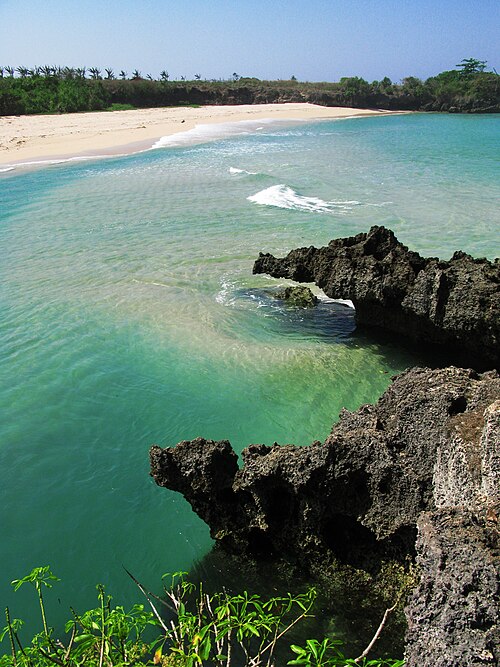
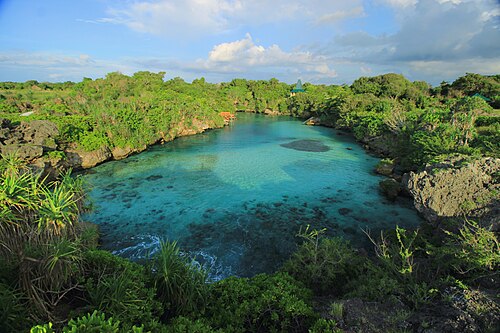
Many south and west coast beaches have powerful waves and rip currents and no lifeguards. Swim only where locals say it is safe, never alone, and be careful on rocks and reef. Sheltered options such as Weekuri Lagoon are easier, but still supervise children.
Health
Medical care is basic outside the towns, and serious cases go to Bali or Kupang. Get travel insurance with medical evacuation, ask a travel clinic about vaccines and malaria prevention, protect yourself from mosquitoes, drink only bottled or filtered water and carry a first-aid kit. More in health and safety in Sumba.
Villages and customs
Respect keeps visits safe and pleasant. Ask before entering a village or a house and before photos, sign the guestbook and leave a contribution, do not touch the stone tombs, and go with a local guide when you can. Read village etiquette before you go.
Natural hazards
Sumba lies in an earthquake-prone region, like much of Indonesia. Learn the basics: in a strong quake by the coast, move to high ground. In the wet season, avoid crossing swollen rivers and check road conditions.
Quick safety checklist
- Travel insurance with evacuation cover.
- No driving after dark on rural roads.
- Swim only where locals swim.
- Cash split between bags; copies of your passport.
- Your accommodation knows your plans for the day.
FAQ
Is Sumba safe for tourists?
Generally yes. Sumbanese people are welcoming and violent crime against visitors is rare. The real risks are road accidents, dangerous surf and limited medical care.
Is Sumba safe for solo female travellers?
Many women travel in Sumba without problems. Dress modestly, avoid driving alone at night, and use a trusted driver recommended by your accommodation.
Is it safe to drive a scooter in Sumba?
Only for experienced riders. Roads are narrow, potholed and shared with trucks and animals, and nights are dark. A car with a driver is safer.
Guides
Is Sumba worth visiting? An honest answer
The good and the hard parts of travelling in Sumba, who will love it and who should choose somewhere else.
Hiring a driver in Sumba: how it works and what to agree
How to hire a car with driver in Sumba: where to find one, what is usually included, questions to ask, scooter vs car, and tips for a smooth trip.
Sumba travel guide: everything you need to plan your trip
The complete guide to Sumba, Indonesia: when to go, how to get there from Bali, the four regions, what to see, costs, safety, etiquette and itineraries.
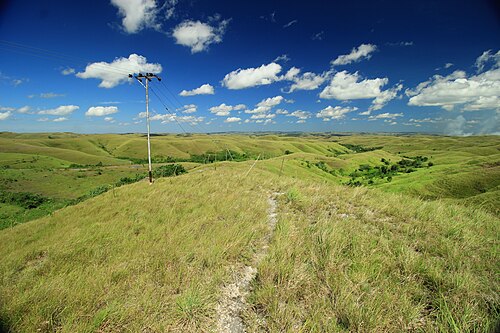
25 best things to do in Sumba
From Weekuri Lagoon to the Pasola, the dancing trees of Walakiri and the megalithic tombs of Anakalang: the best experiences on Sumba island, with a map.
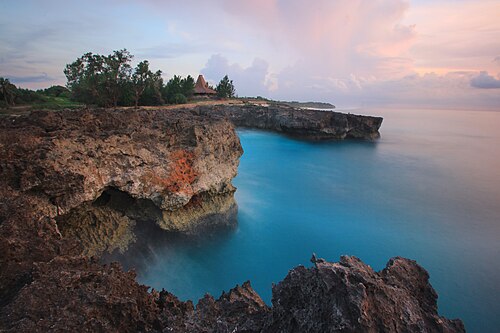
The best beaches in Sumba (with map)
Every beach worth the drive on Sumba: lagoons, surf breaks, sunset spots and empty white sand on all four coasts, with tips on safety and access.
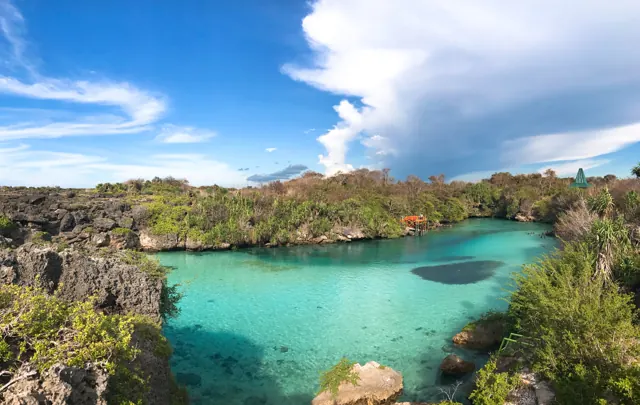
How to get from Bali to Sumba: flights, ferries and airports
Flights from Bali to Tambolaka (TMC) and Waingapu (WGP), which airport to choose, baggage limits, ferries and how to get from the airport to your hotel.