 EN▾











Sumba in the rainy season: is it worth visiting from November to April?
What travelling in Sumba during the wet season is really like: rain patterns, roads, waterfalls, green landscapes, the Pasola, and how to plan around the weather.
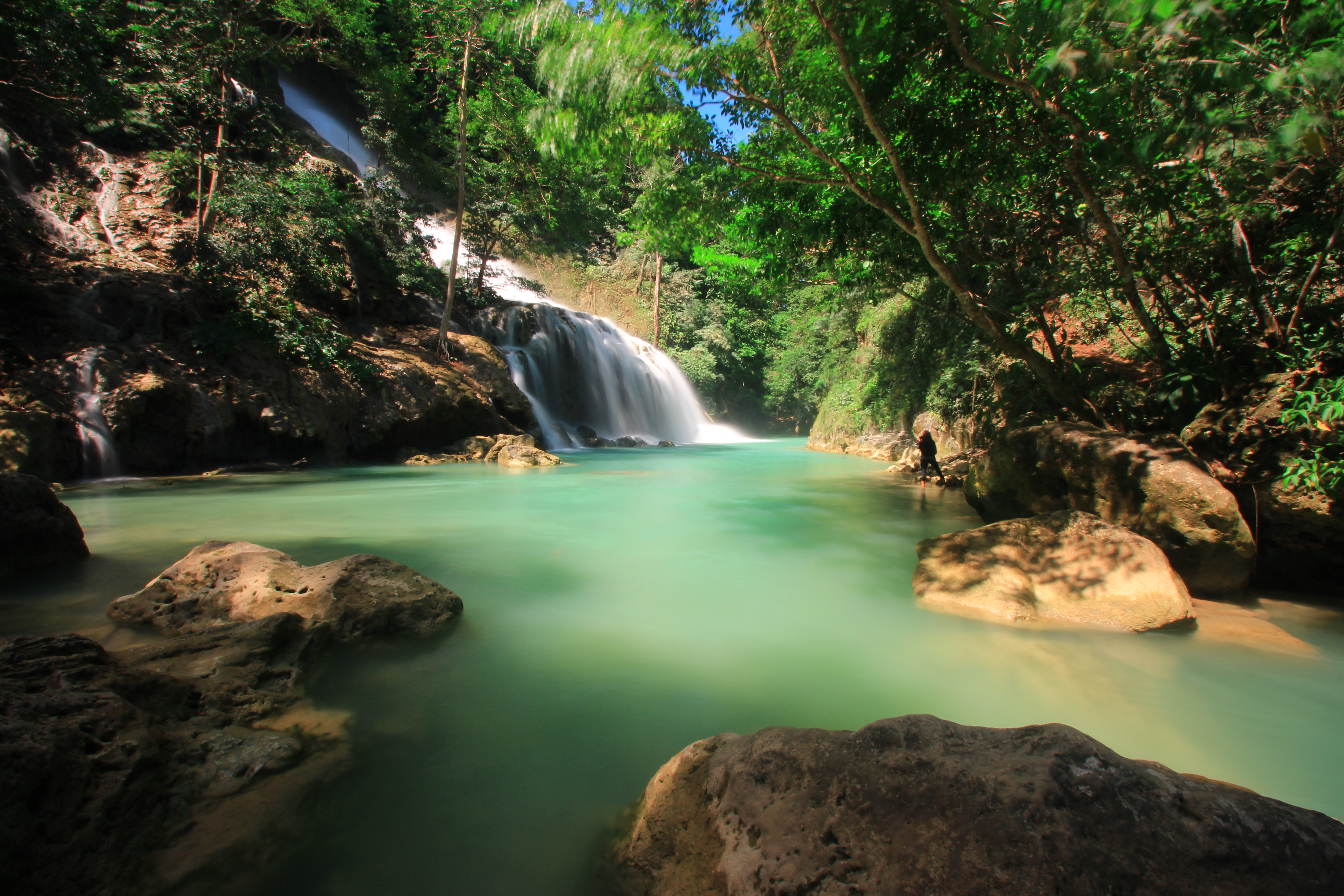

Most guides tell you to visit Sumba in the dry season, and for many people that is good advice. But the wet season, roughly November or December to March or April, has its own rewards: emerald hills, roaring waterfalls, flowering rice fields and far fewer visitors. If you can stay flexible, it can be the most beautiful time of year.
What the rain is like
Rain in Sumba usually arrives as heavy tropical showers rather than days of steady drizzle. A typical pattern is a clear morning, clouds building after midday and a downpour in the afternoon or night. Some days are fully wet, especially from January to March in West Sumba and the highlands, where our data show the most rain. The east around Waingapu is much drier even in the wet months; see the tables in Sumba weather by month.
The upsides
- Green landscapes: the savanna of Wairinding and the hills of the west turn bright green.
- Waterfalls at full power: Lapopu, Matayangu and Waimarang are at their most spectacular.
- The Pasola: held in February and March in West and Southwest Sumba, see the Pasola guide.
- Fewer visitors and easier bookings outside the Christmas holidays.
The downsides
- Roads: unpaved tracks to remote beaches and villages can become muddy or impassable; river crossings rise.
- Murky water: waterfalls and some beaches can turn brown after heavy rain.
- Flights: storms can delay small planes.
- Mosquitoes are more common; use repellent, see health and safety.
How to plan a wet-season trip
- Base yourself in one or two places rather than moving every day.
- Do long drives and hikes in the morning, and keep afternoons flexible.
- Keep a spare day before your flight out.
- Pick places reachable on paved roads for rainy days, such as the villages near Waikabubak, Tarung and Prai Ijing.
- Ask your driver each morning which roads are passable.
Pack a light rain jacket, quick-dry clothes, sandals with grip and dry bags for your phone and camera. With that, the rainy season is less a problem than a different way to see the island. Use the interactive map to choose the places closest to your base.
📍 Places in this guide at a glance
| Place | Region | Type | Nearest airport |
|---|---|---|---|
| Wairinding Hill | East Sumba | ⛰️ Viewpoints | ✈ WGP · 22 km · 1 h |
| Lapopu Waterfall | Central Sumba | 💧 Waterfalls | ✈ TMC · 40 km · 1 h 45 min |
| Matayangu Waterfall | Central Sumba | 💧 Waterfalls | ✈ TMC · 41 km · 1 h 45 min |
| Waimarang Waterfall | East Sumba | 💧 Waterfalls | ✈ WGP · 47 km · 2 h |
| Tarung Village | West Sumba | 🛖 Villages | ✈ TMC · 31 km · 1 h 15 min |
| Prai Ijing Village | West Sumba | 🛖 Villages | ✈ TMC · 34 km · 1 h 30 min |
FAQ
Is it worth visiting Sumba in the rainy season?
Yes, if you are flexible. The island is at its most beautiful and green, waterfalls are full and there are fewer visitors. Expect some disrupted plans and slower roads.
Does it rain all day in Sumba in the wet season?
Usually not. Rain tends to come in heavy showers, often in the afternoon or at night, with sunny periods in between.
Which months are wettest?
January to March are generally the wettest months, especially in West Sumba and the highlands around Waikabubak.
Guides
25 best things to do in Sumba
From Weekuri Lagoon to the Pasola, the dancing trees of Walakiri and the megalithic tombs of Anakalang: the best experiences on Sumba island, with a map.
The best beaches in Sumba (with map)
Every beach worth the drive on Sumba: lagoons, surf breaks, sunset spots and empty white sand on all four coasts, with tips on safety and access.
Where to stay in Sumba: the best areas for every trip
Which area of Sumba to stay in: Tambolaka and Kodi, Waikabubak and the south-west coast, Central Sumba and Waingapu in the east, and how to split your nights.
What to eat in Sumba: food, coffee and where to find it
Fresh fish, smoked meat, local vegetables, Sumba coffee and the betel-nut ritual: what you will eat on the island and practical tips.
Best sunsets in Sumba: 9 places for golden hour
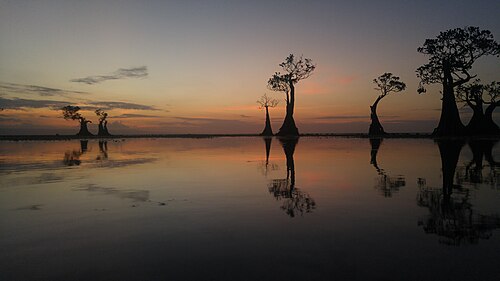
Where to watch the sunset in Sumba, from the dancing mangroves of Walakiri to the cliffs of Kodi and the savanna hills, with timing tips and sunset hours.
Hiring a driver in Sumba: how it works and what to agree
How to hire a car with driver in Sumba: where to find one, what is usually included, questions to ask, scooter vs car, and tips for a smooth trip.