 EN▾









Watching the Pasola safely and respectfully
How to watch the Pasola in Sumba: where to stand, how to behave, photography, crowds and what to expect on the day.
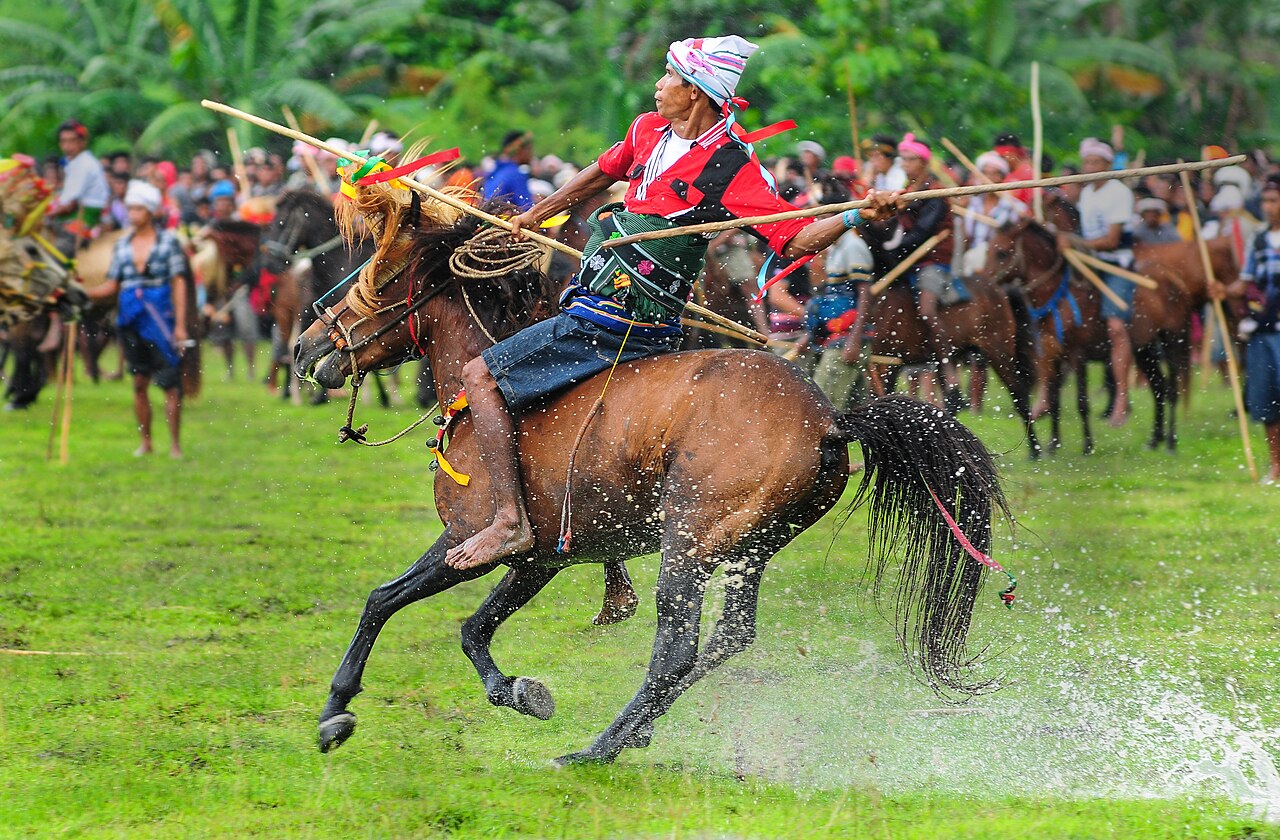

The Pasola is a ritual battle in which horsemen throw wooden spears at each other. It is exciting, sacred and genuinely dangerous for spectators who stand in the wrong place.
Know the dates#
The Pasola takes place in February and March in several areas of West and Southwest Sumba. The dates are set by Marapu priests according to the traditional calendar and the appearance of sea worms (nyale), so they are confirmed only shortly before. See Pasola dates.
Where to stand#
- Stay well back from the field and behind the local spectators.
- Never stand at the ends of the field, where horses turn and spears fly.
- Keep an escape route; horses can run into the crowd.
- Follow the instructions of organisers and police.
Respect#
- The Pasola is a ritual for the ancestors and the harvest, not a show. Rites take place before the battle, sometimes at dawn on the beach.
- Do not walk onto the field for photos.
- Dress modestly and bring a hat and water.
Photography#
- A long lens lets you stay safely back.
- Do not fly drones over the crowd or horses.
Practicalities#
- Go with a local guide who knows the area and the schedule.
- Roads are crowded; leave very early.
- Accommodation fills up; book ahead.
FAQ
Is the Pasola dangerous for spectators?
It can be if you stand too close or at the ends of the field. Stay back, behind locals, with an escape route.
Can I take photos at the Pasola?
Yes, from a safe distance; a long lens helps. Never walk onto the field or fly drones over the crowd.
🛖 Culture
 Pasola: Sumba's horseback spear ritualWhat the Pasola is, where it happens and how to watch it respectfully.Pasola dates: when the next Pasola is and how dates are setWhen is the Pasola in Sumba? How the dates are chosen, the 2026 schedule as an example, when 2027 dates are usually announced and how to plan your trip.
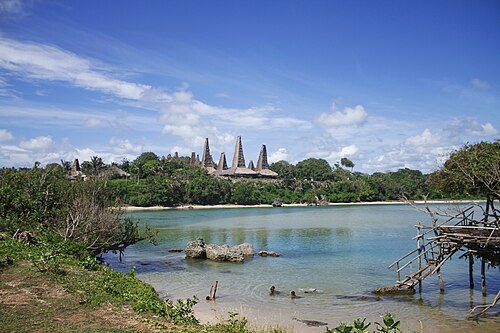 Traditional villages in Sumba: which to visit and howRatenggaro, Wainyapu, Tarung, Pasunga, Prailiu, Rende and more: what to see in Sumba's megalithic villages and how to visit respectfully.
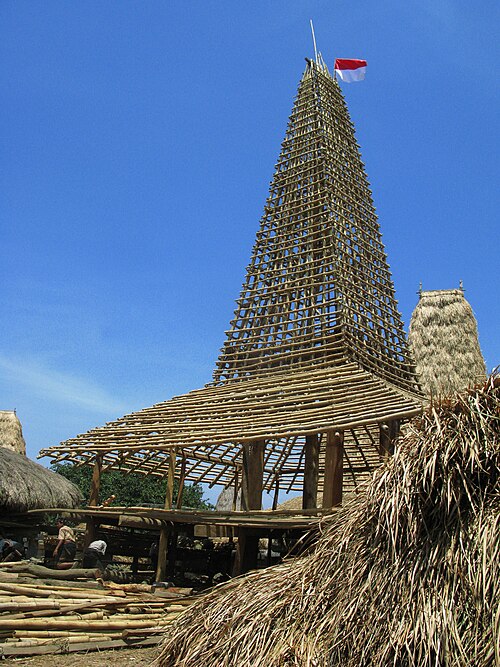 Marapu: Sumba's ancestral religion explainedWhat Marapu is, how it shapes Sumbanese houses, tombs, funerals and the Pasola, and how visitors can show respect.
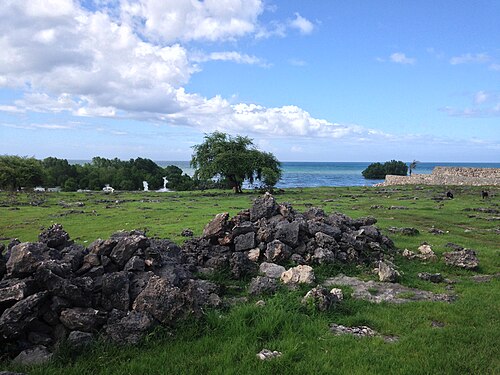 What to eat in Sumba: food, coffee and where to find itFresh fish, smoked meat, local vegetables, Sumba coffee and the betel-nut ritual: what you will eat on the island and practical tips.
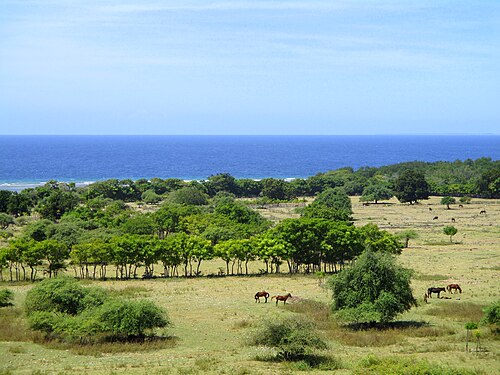 Sumba's horses: sandalwood ponies, Pasola and where to see themHorses are everywhere in Sumba: the history of the sandalwood pony, their role in Marapu culture, dowries and the Pasola, and where to see them.