 EN▾










Heat and sun in Sumba: staying comfortable and safe
How hot Sumba gets, how strong the sun is near the equator, and practical tips to avoid sunburn, dehydration and heat exhaustion.
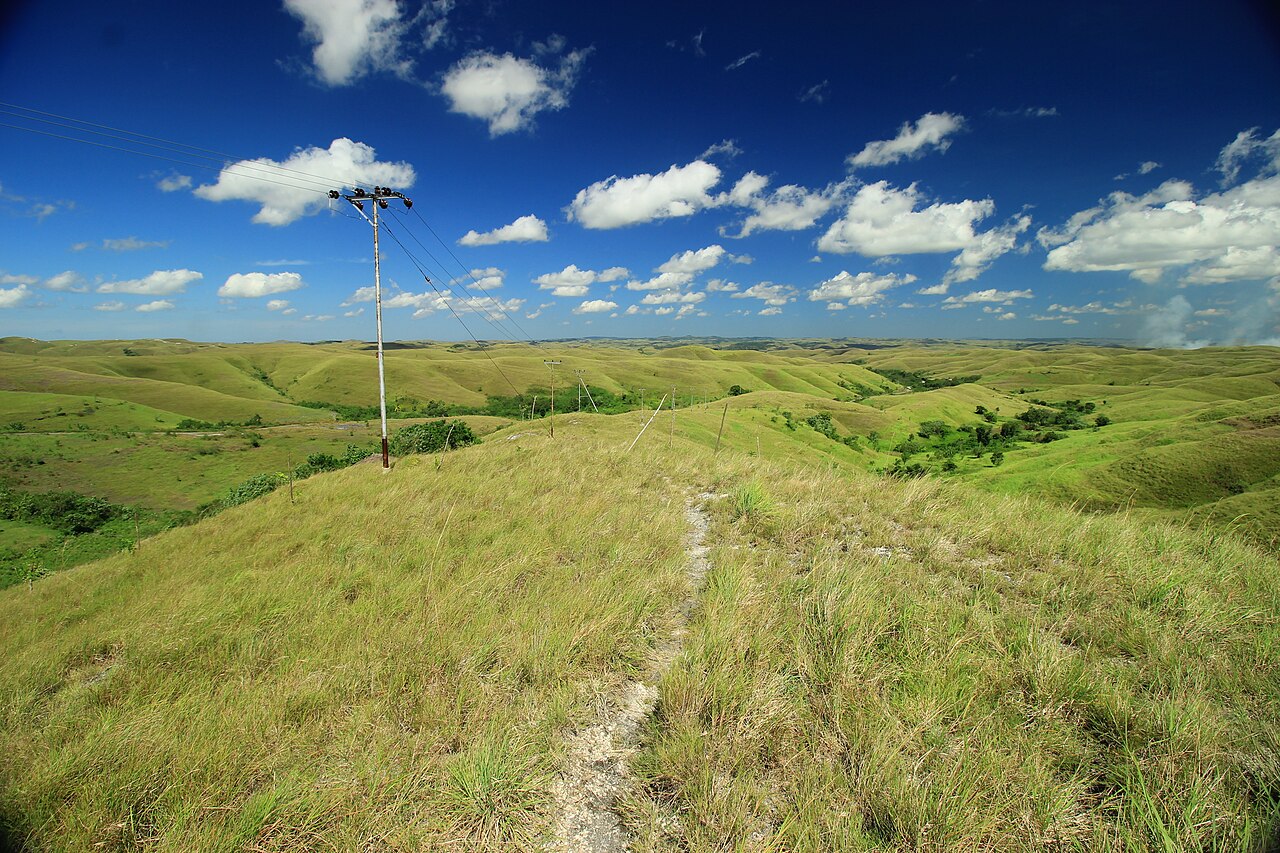

Sumba is about 10 degrees south of the equator. The sun is strong all year, the savannah offers little shade, and days on the road are long.
How hot it gets#
Our climate data shows average daytime highs of around 30 °C on the coast for most of the year, with the hottest weeks before the rains, around October and November. The highlands around Waikabubak are cooler. See Waingapu weather and Waikabubak weather.
Sun#
- The UV index is very high around midday all year; you can burn in minutes.
- Use a high-factor, water-resistant sunscreen and reapply after swimming.
- A wide hat, sunglasses and a long-sleeved shirt are worth more than sunscreen alone.
- Reef-safe sunscreen is better for lagoons and coral.
Heat#
- Plan walks and climbs for early morning or late afternoon.
- Drink before you are thirsty; see drinking water.
- Rest in the shade at midday, like locals do.
- Signs of heat exhaustion include headache, dizziness and nausea: stop, cool down and drink.
Where it is toughest#
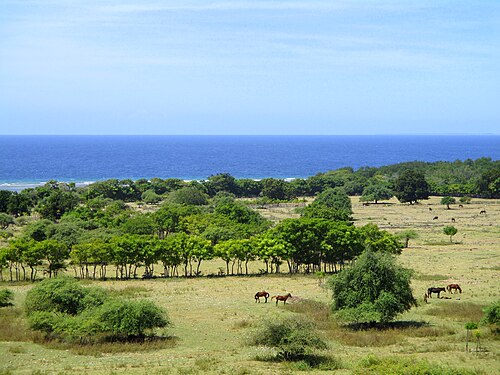
The open savannah of East Sumba, the walk to Tanggedu and long beach walks on the south coast.
FAQ
How hot is Sumba?
Coastal daytime highs average around 30 °C most of the year, with the hottest weeks before the rains.
🎒 Practical tips
 Sumba practical tips: money, internet, visas and what to packATMs and cash, SIM cards and signal, visas, electricity, toilets, tipping, dress code and a packing list for Sumba.
 Sumba with kids: a practical family guideIs Sumba good for families? Child-friendly places, long drives, safety in the sea, health, food and how to plan a family trip to Sumba.
 Money, ATMs and SIM cards in Sumba: what to knowCash or card in Sumba? Where the ATMs are, how much cash to carry, mobile coverage, which SIM works best and how to stay connected on the island.
 Is Sumba safe? An honest guide for travellersAn honest look at safety in Sumba: roads, the sea, health, theft, village visits and local customs, with practical tips to travel calmly.
 Sumba packing list: what to bring (and what you can't buy there)A practical packing list for Sumba: clothes, sun protection, health kit, cash, electronics, village visits and items that are hard to find on the island.
 Sumba for digital nomads: internet, visas and what to expectCan you work remotely from Sumba? Mobile coverage, Wi-Fi, power, where to base yourself and Indonesia's E33G remote worker visa, with honest pros and cons.