 EN▾











Sumba for digital nomads: internet, visas and what to expect
Can you work remotely from Sumba? Mobile coverage, Wi-Fi, power, where to base yourself and Indonesia's E33G remote worker visa, with honest pros and cons.
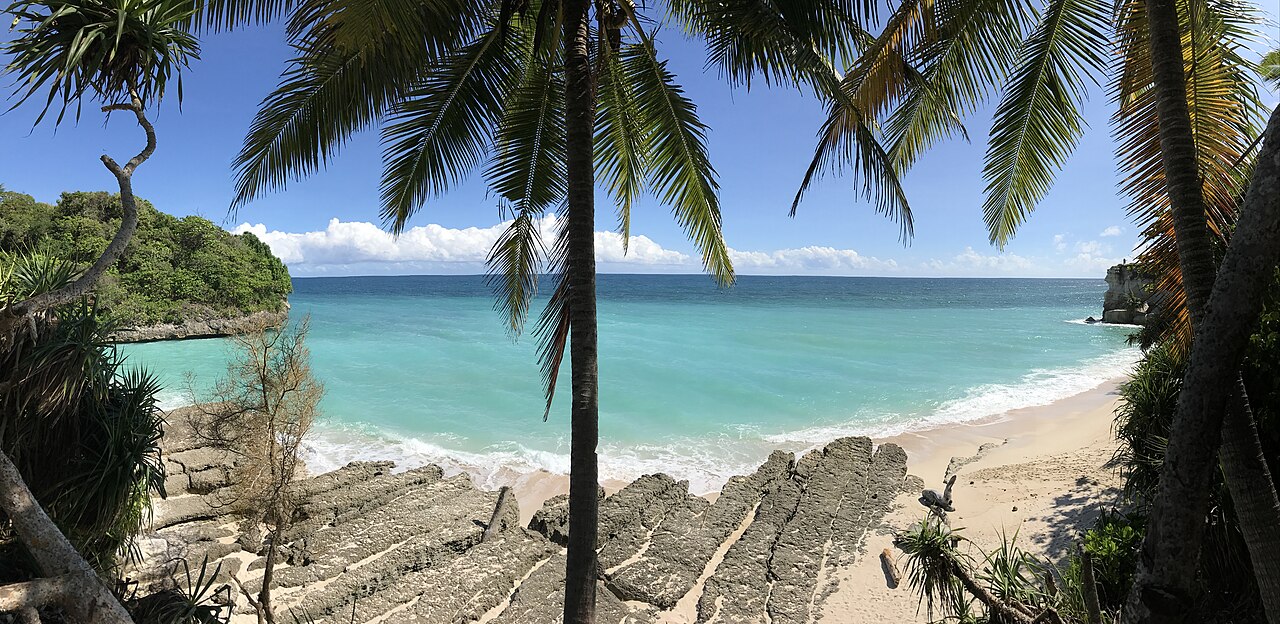

Sumba is not Bali: there are no coworking hubs, few cafés with fast Wi-Fi and limited services. But for remote workers who value quiet, nature and space, a stay in Sumba can be wonderful, if you plan for connectivity and the legal side.
Internet and power#
- Mobile data: Telkomsel generally has the widest coverage in East Nusa Tenggara. 4G works well in towns such as Waingapu, Waikabubak and Tambolaka, but can drop on remote coasts and in valleys. See money, ATMs and SIM cards.
- Wi-Fi: many guesthouses have it, but speeds vary a lot. Ask for a speed test before booking a long stay.
- Backup: carry two SIM cards from different networks and a power bank; power cuts happen.
Where to base yourself#
- Waingapu: the biggest town, with the most services and the most reliable connection.
- Waikabubak and Tambolaka: practical bases in the west.
- The north coast around Mamboro: quiet beaches and savanna; see the north coast.
- Remote coasts: beautiful but often poorly connected; better for a few offline days.
Visas#
Tourist visas, visas on arrival and business visit visas do not authorise paid work. Since April 2024, Indonesia has offered the E33G Remote Worker visa, a one-year permit for people working for companies outside Indonesia. Visa agencies report an income requirement of about USD 60,000 a year and an employment agreement with a foreign company, and that holders cannot work for Indonesian companies or clients. Staying in Indonesia more than 183 days can also make you a tax resident. Rules change, so check the official immigration website (evisa.imigrasi.go.id) and get professional advice.
Pros and cons#
- Pros: peace and space, beaches and nature on your doorstep, a unique culture, few tourists.
- Cons: patchy internet outside towns, few cafés and services, long distances, limited healthcare.
Tips#
- Download work files and maps before heading out.
- Schedule calls from towns; keep exploring days offline.
- Rent a car with a driver for weekends: hiring a driver.
- Read practical tips and is Sumba safe?.
FAQ
Is the internet good in Sumba?
In towns, 4G mobile data usually works well; on remote coasts and in the hills it can be weak or absent. Many places have Wi-Fi, but speeds vary, so test before committing.
Can I work remotely in Indonesia on a tourist visa?
Tourist visas and visas on arrival do not authorise work. Indonesia's E33G Remote Worker visa, available since April 2024, is the route for people employed by companies outside Indonesia.
What does the E33G visa require?
Sources report a minimum income of about USD 60,000 a year and an employment contract with a company outside Indonesia. It is valid for one year. Check the official immigration site before applying.
Guides
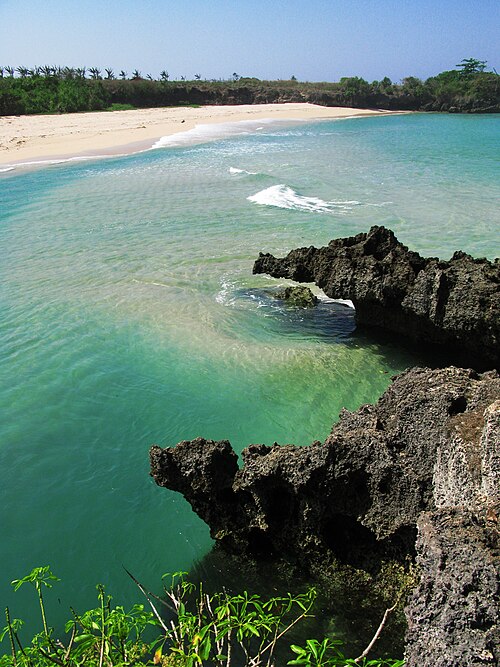
Is Sumba worth visiting? An honest answer
The good and the hard parts of travelling in Sumba, who will love it and who should choose somewhere else.
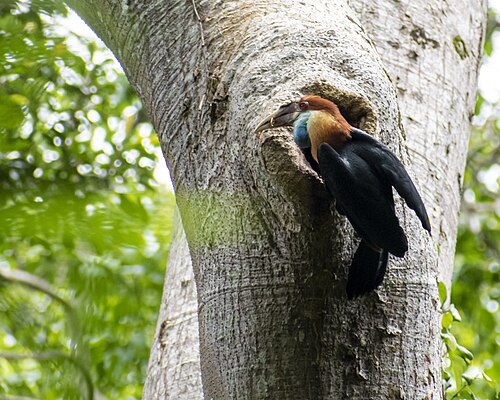
Hiring a driver in Sumba: how it works and what to agree
How to hire a car with driver in Sumba: where to find one, what is usually included, questions to ask, scooter vs car, and tips for a smooth trip.
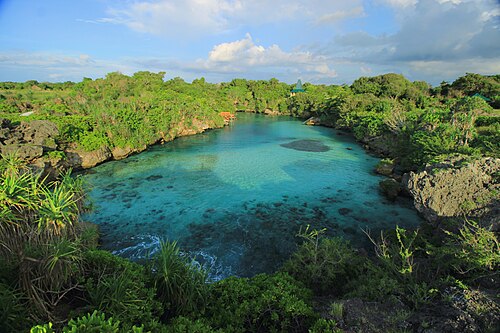
Sumba travel guide: everything you need to plan your trip
The complete guide to Sumba, Indonesia: when to go, how to get there from Bali, the four regions, what to see, costs, safety, etiquette and itineraries.
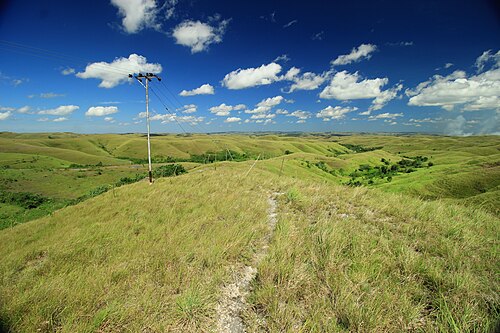
50 best things to do in Sumba
From Weekuri Lagoon to the Pasola, the dancing trees of Walakiri and the megalithic tombs of Anakalang: the best experiences on Sumba island, with a map.
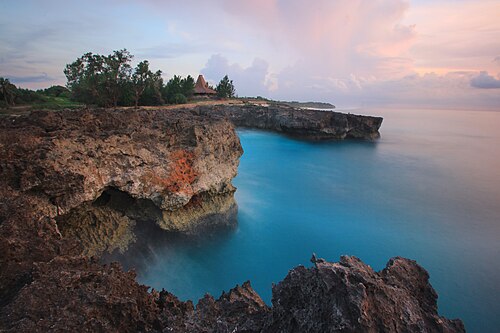
The best beaches in Sumba (with map)
Every beach worth the drive on Sumba: lagoons, surf breaks, sunset spots and empty white sand on all four coasts, with tips on safety and access.
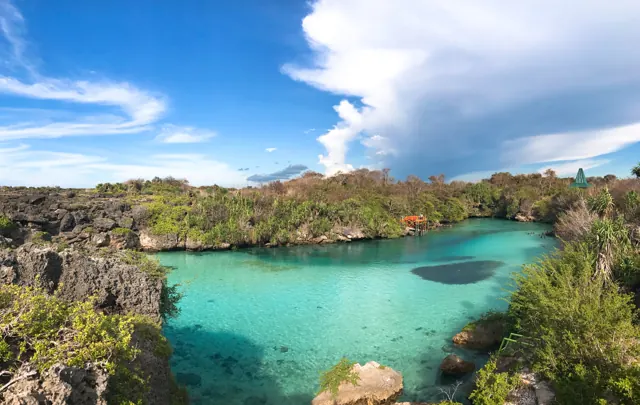
How to get from Bali to Sumba: flights, ferries and airports
Flights from Bali to Tambolaka (TMC) and Waingapu (WGP), which airport to choose, baggage limits, ferries and how to get from the airport to your hotel.