 EN▾









Snorkeling and diving in Sumba: where, when and how to stay safe
What snorkeling and diving are really like in Sumba: sheltered spots such as Weekuri Lagoon, the best season, ocean conditions, gear to bring and safety tips.


Sumba is not a classic dive destination like Komodo or Raja Ampat, and most of its coastline faces the powerful open Indian Ocean. But with the right spot and the right conditions, there is clear water, coral and fish to enjoy. This guide helps you choose wisely and stay safe.
The easy option: Weekuri Lagoon#
Weekuri Lagoon in Southwest Sumba is a saltwater lagoon protected from the ocean by a coral wall. The water is calm and clear, with shallow edges and deeper areas. A mask and snorkel are enough. Go early or late in the day to avoid crowds.
Reef flats and calmer coasts#
At low and mid tide, some reef flats and bays show rock pools and coral, and the north coast around Mamboro is often calmer than the south. Always ask local fishermen or your guide about currents and the right tide before getting in.
Diving#
Dive operators in Sumba are few compared with Bali or Flores. Some resorts and operators organise boat dives; ask in advance and check certifications, equipment and emergency plans. Remember that medical care, including any decompression facilities, is far away: dive conservatively.
Ocean safety#
- Many south and west coast beaches have strong rip currents and big waves; there are no lifeguards.
- Never snorkel alone; tell someone your plans.
- Wear reef shoes and a long-sleeve swim shirt against coral and sun.
- Do not stand on or touch coral.
- Check the weather: storms and swells change conditions quickly. See weather by month.
What to bring#
- Your own mask, snorkel and fins: rental gear is rare.
- Reef-safe sunscreen.
- A dry bag for your phone.
Combine a snorkel at Weekuri with the beaches of Kodi: see best beaches in Sumba and the interactive map.
FAQ
Is there good snorkeling in Sumba?
Yes, in sheltered spots. Weekuri Lagoon is the easiest; some reef flats on calmer coasts are good at the right tide. Much of the south and west coast is too rough.
Are there dive centres in Sumba?
Very few compared with Bali or Flores. Some resorts and operators arrange trips; ask locally and choose certified operators with good safety equipment.
When is the sea calmest?
Conditions vary by coast. Mornings are usually calmer, and sheltered bays and the north coast are often gentler than the exposed south and west.
Guides
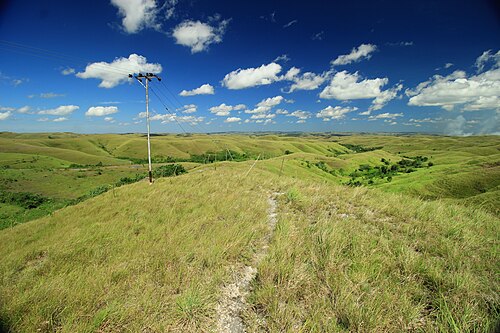
50 best things to do in Sumba
From Weekuri Lagoon to the Pasola, the dancing trees of Walakiri and the megalithic tombs of Anakalang: the best experiences on Sumba island, with a map.
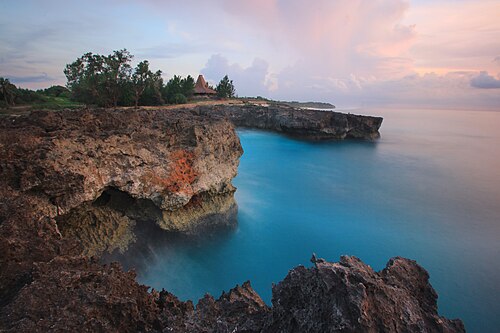
The best beaches in Sumba (with map)
Every beach worth the drive on Sumba: lagoons, surf breaks, sunset spots and empty white sand on all four coasts, with tips on safety and access.
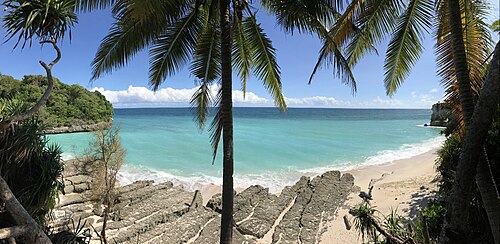
Where to stay in Sumba: the best areas for every trip
Which area of Sumba to stay in: Tambolaka and Kodi, Waikabubak and the south-west coast, Central Sumba and Waingapu in the east, and how to split your nights.
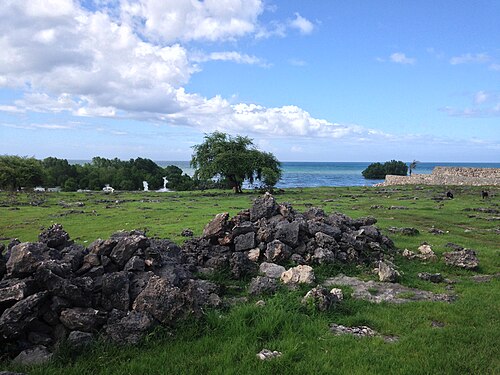
What to eat in Sumba: food, coffee and where to find it
Fresh fish, smoked meat, local vegetables, Sumba coffee and the betel-nut ritual: what you will eat on the island and practical tips.
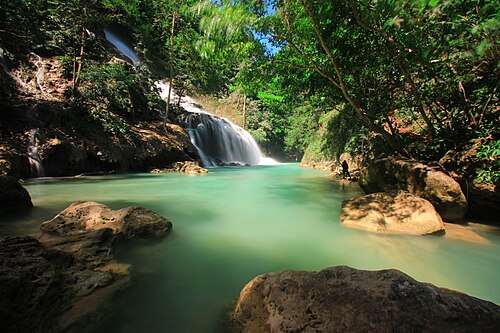
Sumba in the rainy season: is it worth visiting from November to April?
What travelling in Sumba during the wet season is really like: rain patterns, roads, waterfalls, green landscapes, the Pasola, and how to plan around the weather.
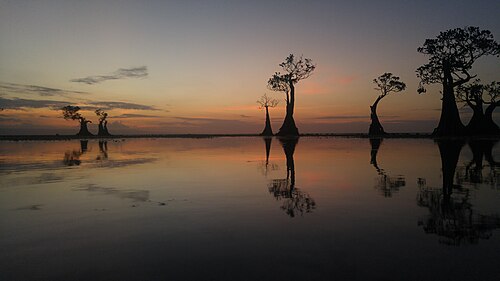
Best sunsets in Sumba: 9 places for golden hour
Where to watch the sunset in Sumba, from the dancing mangroves of Walakiri to the cliffs of Kodi and the savanna hills, with timing tips and sunset hours.