 EN▾










A short history of Sumba
From megalith builders and the sandalwood trade to Dutch rule, independence and tourism: the story of Sumba in a few minutes.
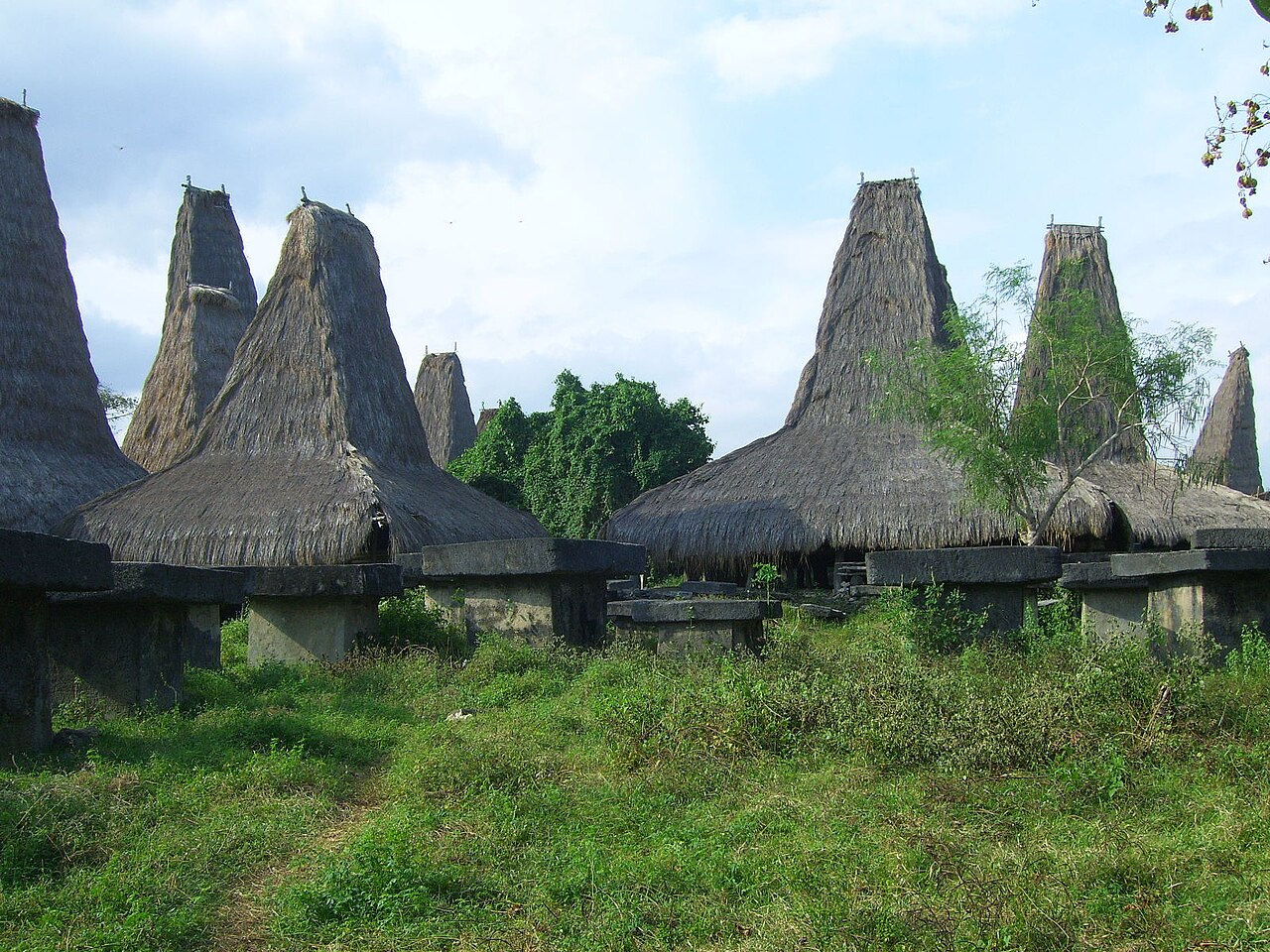

Sumba's history is told less in written records than in stone tombs, clan genealogies and the cloths and rituals passed down through generations. This is a short overview.
Ancestors and clans#
Sumbanese oral traditions trace each clan (kabisu) to founding ancestors who arrived by sea. Society was organised in domains led by noble families, with priests (rato) responsible for the ritual calendar. The tradition of building megalithic tombs continues to this day, which is rare anywhere in the world.
Sandalwood and horses#
For centuries Sumba was known to traders as a source of sandalwood, and later of horses. The Sumba "sandalwood pony" became famous across the archipelago. See horses of Sumba.
Colonial period#
The Dutch East India Company and later the Dutch colonial state claimed Sumba, but effective control of the interior came late, in the early twentieth century. Christian missions became active in the same period.
Independence#
After Indonesian independence Sumba became part of the province of East Nusa Tenggara (Nusa Tenggara Timur). In 2007 the island was divided into the four regencies it has today. See the four regencies of Sumba.
Today#
Most Sumbanese are now Christian, while Marapu remains alive, especially in West Sumba. Tourism has grown since the 2010s, still on a small scale compared with Bali. Read about Marapu and about traditional villages.
Further reading#
See our list of books and films about Sumba.
Guides
50 best things to do in Sumba
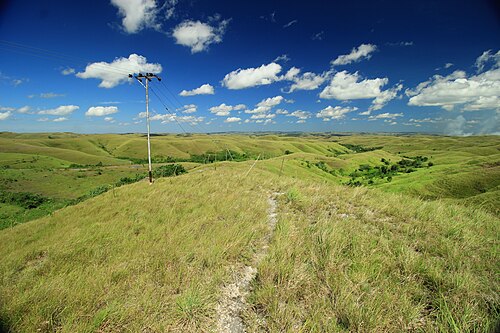
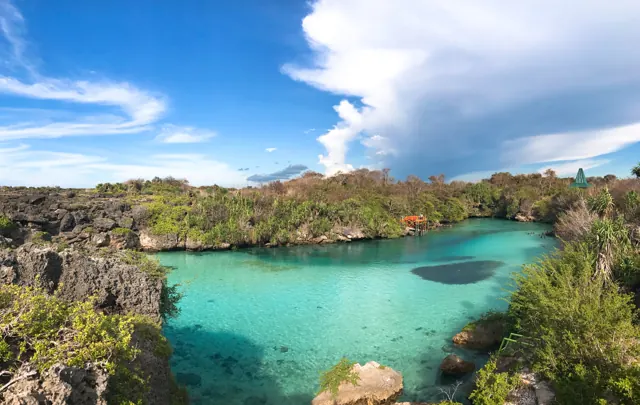
From Weekuri Lagoon to the Pasola, the dancing trees of Walakiri and the megalithic tombs of Anakalang: the best experiences on Sumba island, with a map.
How to get from Bali to Sumba: flights, ferries and airports
Flights from Bali to Tambolaka (TMC) and Waingapu (WGP), which airport to choose, baggage limits, ferries and how to get from the airport to your hotel.
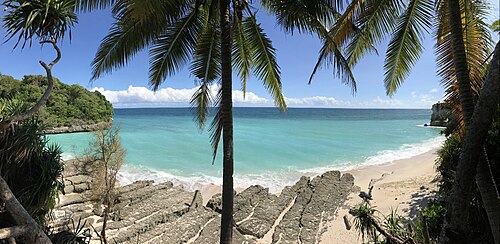
Where to stay in Sumba: the best areas for every trip
Which area of Sumba to stay in: Tambolaka and Kodi, Waikabubak and the south-west coast, Central Sumba and Waingapu in the east, and how to split your nights.
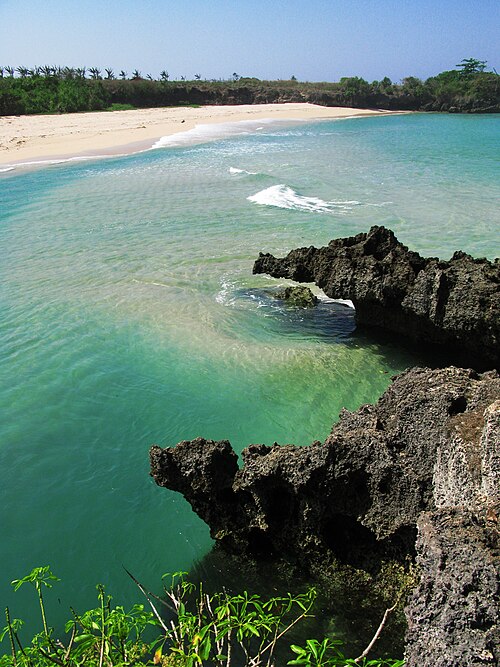
Is Sumba worth visiting? An honest answer
The good and the hard parts of travelling in Sumba, who will love it and who should choose somewhere else.
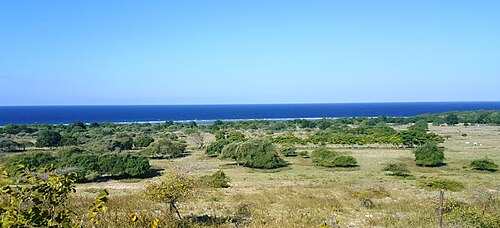
Ferry to Sumba: routes from Flores, Sumbawa, Bali and Timor
How to reach Sumba by boat: Pelni and ASDP routes to Waingapu and Waikelo, typical crossing times, what the ships are like and how to check schedules.
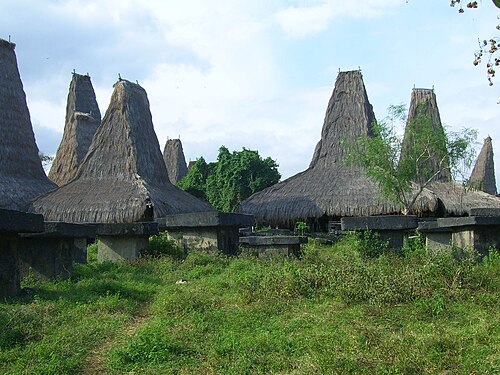
Is Sumba safe? An honest guide for travellers
An honest look at safety in Sumba: roads, the sea, health, theft, village visits and local customs, with practical tips to travel calmly.