 EN▾





Why Sumba looks different: the geology of the island
Sumba has no volcanoes, unlike its neighbours. How its limestone plateaus, coral terraces, canyons and savannahs were formed.

Fly from Bali to Sumba and you leave a chain of volcanoes for an island without a single one. That is the first clue that Sumba is geologically different from its neighbours, and it explains much of what you see.
An island without volcanoes#
Bali, Lombok, Sumbawa and Flores belong to the volcanic arc formed where the Indo-Australian plate dives under the Eurasian plate. Sumba lies south of that arc, in front of it, and is generally described by geologists as a block of older crust that was lifted up rather than built by eruptions. So there are no smoking peaks, no black volcanic sand and far fewer rich volcanic soils.
Limestone and coral terraces#
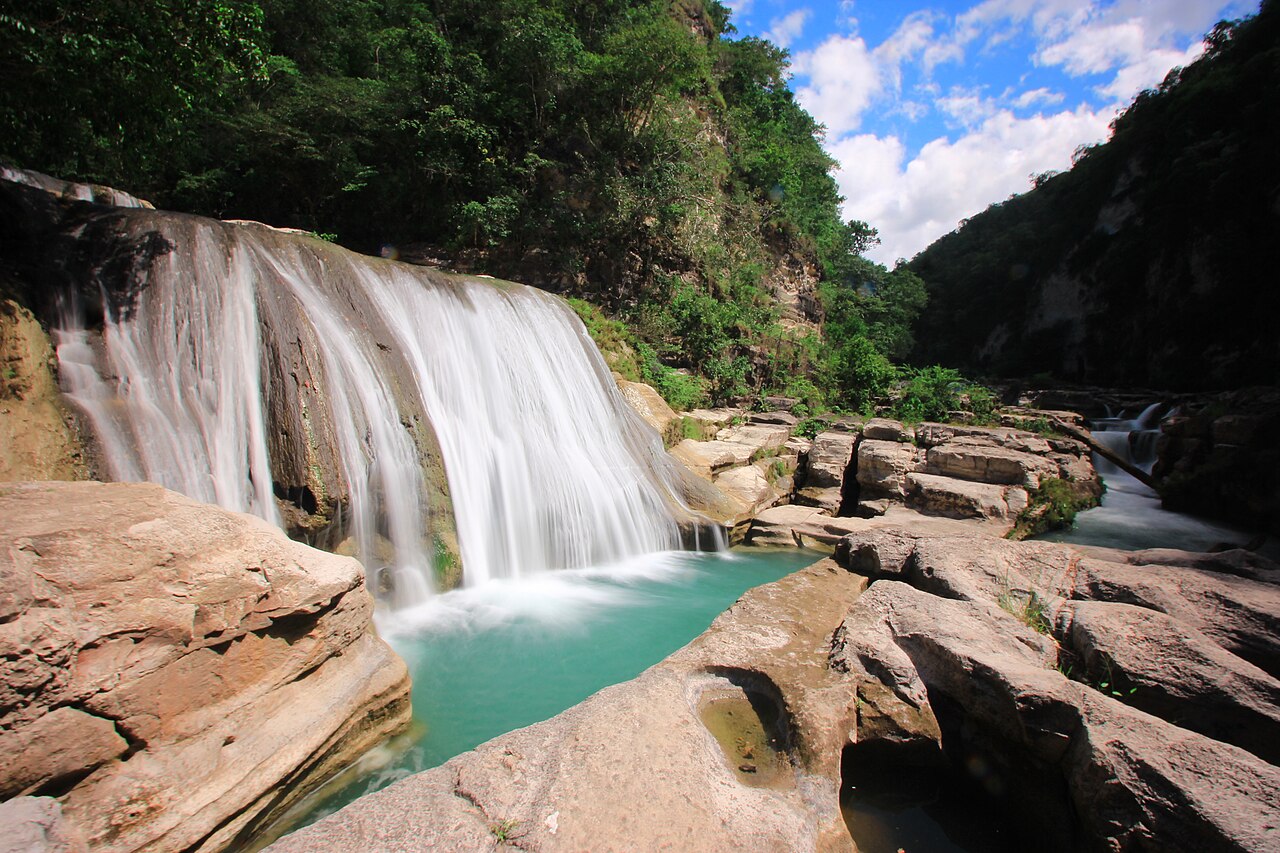
Much of the island is covered by limestone that formed under the sea from coral reefs and marine sediments. As Sumba rose, these were lifted out of the water. In places the coast shows stepped terraces of old coral, each marking a former shoreline.
What this means for visitors#
- White sand beaches made of coral and shell fragments, rather than dark volcanic sand.
- Clear lagoons and rock pools such as Weekuri, where sea water filters through porous coral rock.
- Canyons and caves. Rivers dissolve and cut the limestone, creating gorges like Tanggedu.
- Dry plateaus. Water sinks quickly through limestone, which, together with low rainfall in the east, helps explain the savannah.
Earthquakes#
Like all of eastern Indonesia, Sumba sits in an active tectonic region and can feel earthquakes. Follow local advice and move to higher ground if a strong quake strikes near the coast.
🗺️ On the map
FAQ
Does Sumba have volcanoes?
No. Unlike Bali, Lombok, Sumbawa and Flores, Sumba is not part of the volcanic arc.
Why are Sumba's beaches white?
Because the island is largely limestone and coral; the sand is made of coral and shell fragments.
🦜 Nature and wildlife
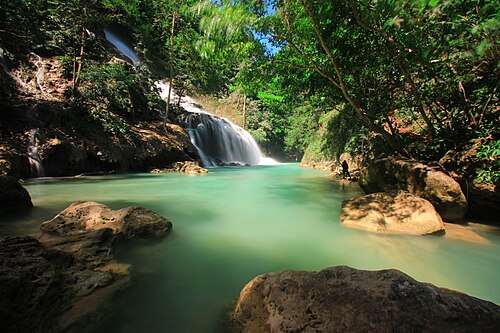 Sumba's national parks and endemic birds: Manupeu Tanah Daru and Laiwangi WanggametiA guide to Sumba's two national parks, known together as Matalawa: forests, waterfalls, the Sumba hornbill and other birds found nowhere else, and how to visit responsibly.
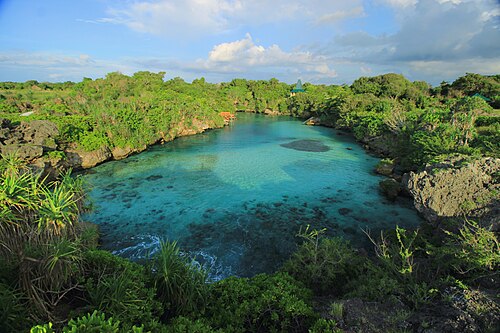 Snorkeling and diving in Sumba: where, when and how to stay safeWhat snorkeling and diving are really like in Sumba: sheltered spots such as Weekuri Lagoon, the best season, ocean conditions, gear to bring and safety tips.
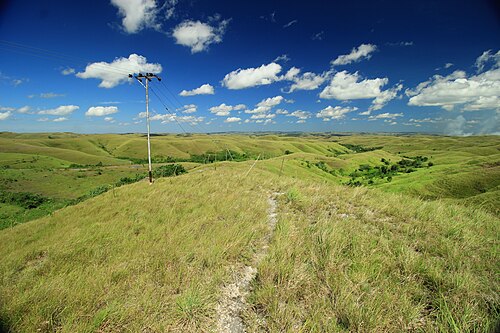 Photography and drones in Sumba: best spots, light and the rulesWhere and when to take the best photos in Sumba, how to photograph people and villages respectfully, and what to know before flying a drone in Indonesia.Hiking and walking in Sumba: hills, savannah and waterfall trailsThe best walks in Sumba, from the Wairinding savannah to waterfall trails and the forests of the national parks, with season and safety tips.The savannah of Sumba: why the island looks like AfricaWhy East Sumba is covered by golden grasslands, how rain, limestone, fire and grazing shaped them, and where to see the best savannah views.
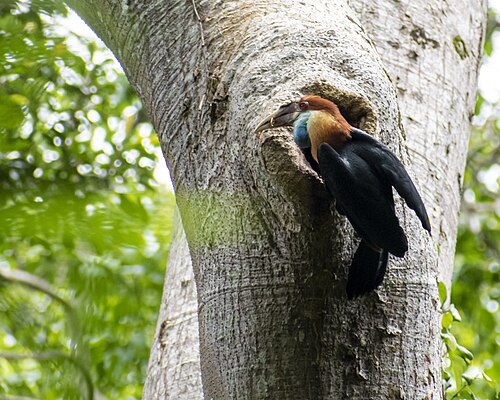 The Sumba hornbill: where and how to see itThe Sumba hornbill is found nowhere else on Earth. What it looks like, where it lives, why it is threatened, and how to look for it responsibly.