 EN▾






The Sumba hornbill: where and how to see it
The Sumba hornbill is found nowhere else on Earth. What it looks like, where it lives, why it is threatened, and how to look for it responsibly.
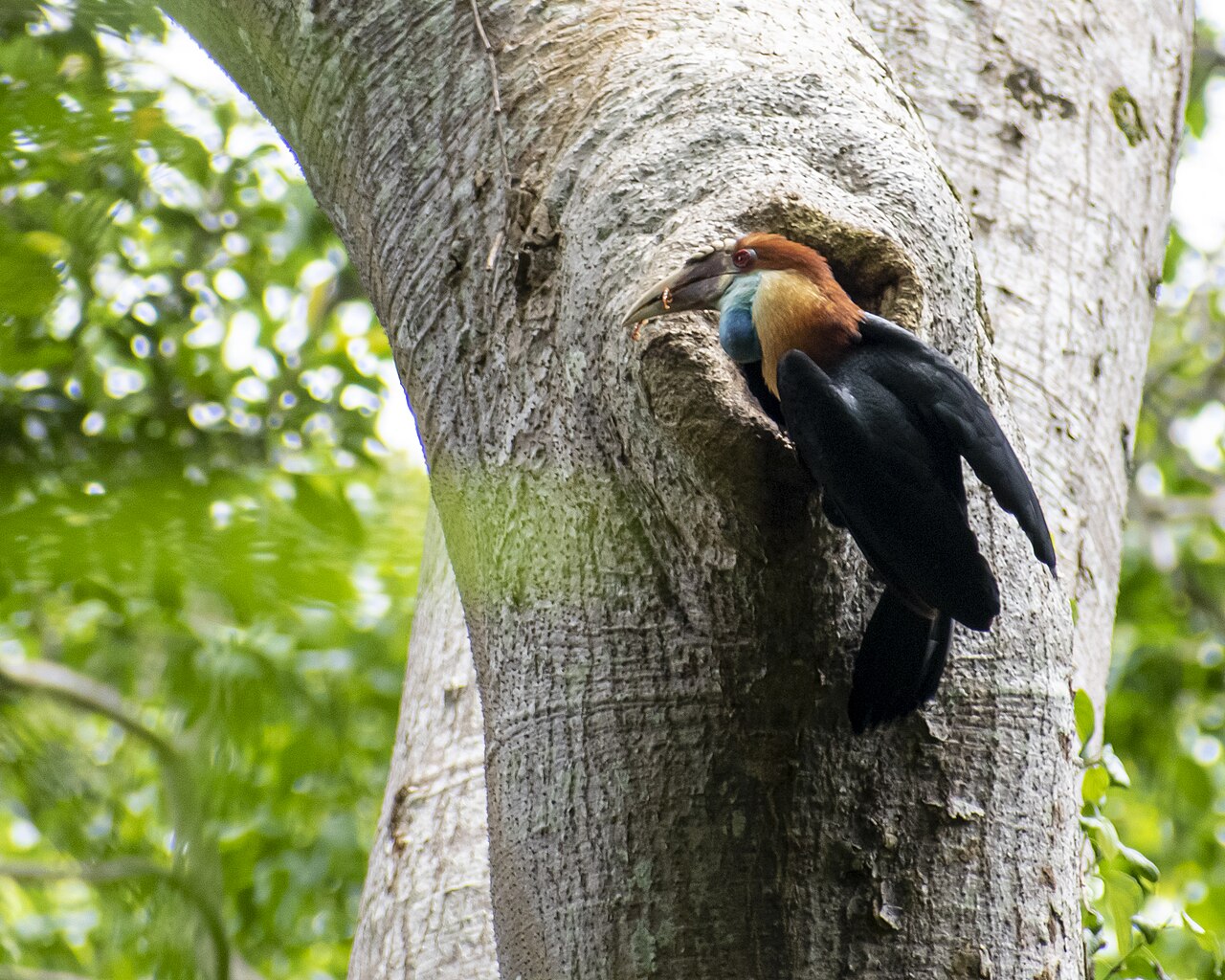

The Sumba hornbill (Rhyticeros everetti) is the island's most spectacular bird and one of its few endemic species: it lives only on Sumba. Seeing one flying over the forest canopy with its loud wingbeats is a highlight for any nature lover.
What it looks like#
A large, dark bird with a big pale bill topped by a ridged casque. Males have a rufous head and neck; females are darker. In flight you often hear them before you see them, because their wings make a loud whooshing sound.
Where it lives#
Hornbills need large, old trees for nesting and fruiting figs for food, so they survive mainly in the remaining forest patches of the island, especially inside the national parks of the west and the Wanggameti highlands of the east. See national parks and birds and Wanggameti.
Why it is threatened#
- Most of Sumba's original forest has been lost over the centuries.
- Hornbills breed slowly and depend on large hollow trees.
- The population is small and the species is listed as threatened internationally.
How to look for it#
- Go with a local guide who knows the forest and the fruiting trees.
- Early morning is best, when birds are active and calling.
- Stay quiet, keep your distance from nests and never use playback near a nest.
- Binoculars are essential; a long lens helps for photos.
Other endemic birds share the same forests, including the citron-crested cockatoo; see the citron-crested cockatoo.
FAQ
Is the Sumba hornbill endemic?
Yes. Rhyticeros everetti lives only on Sumba.
Where can I see the Sumba hornbill?
In the remaining forests, especially in the national parks and the Wanggameti highlands, ideally with a local guide early in the morning.
🦜 Nature and wildlife
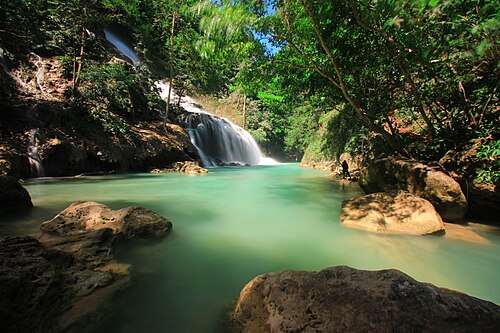 Sumba's national parks and endemic birds: Manupeu Tanah Daru and Laiwangi WanggametiA guide to Sumba's two national parks, known together as Matalawa: forests, waterfalls, the Sumba hornbill and other birds found nowhere else, and how to visit responsibly.
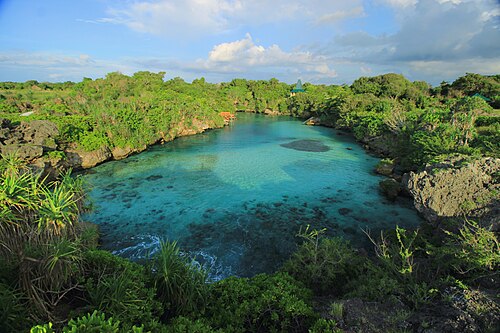 Snorkeling and diving in Sumba: where, when and how to stay safeWhat snorkeling and diving are really like in Sumba: sheltered spots such as Weekuri Lagoon, the best season, ocean conditions, gear to bring and safety tips.
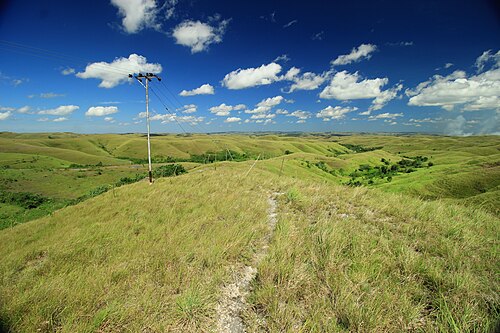 Photography and drones in Sumba: best spots, light and the rulesWhere and when to take the best photos in Sumba, how to photograph people and villages respectfully, and what to know before flying a drone in Indonesia.Hiking and walking in Sumba: hills, savannah and waterfall trailsThe best walks in Sumba, from the Wairinding savannah to waterfall trails and the forests of the national parks, with season and safety tips.
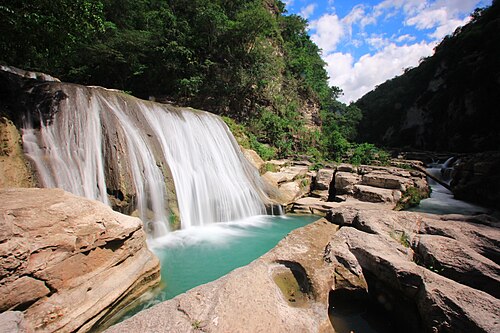 Why Sumba looks different: the geology of the islandSumba has no volcanoes, unlike its neighbours. How its limestone plateaus, coral terraces, canyons and savannahs were formed.The savannah of Sumba: why the island looks like AfricaWhy East Sumba is covered by golden grasslands, how rain, limestone, fire and grazing shaped them, and where to see the best savannah views.