 EN▾








The citron-crested cockatoo of Sumba
Sumba's own cockatoo, with an orange crest found nowhere else: why it became rare, where it survives and how travellers can help.

Most yellow-crested cockatoos have, as the name says, yellow crests. On Sumba lives a subspecies with a crest of bright orange: the citron-crested cockatoo (Cacatua sulphurea citrinocristata).
A bird of Sumba#
This subspecies is found only on Sumba. It is a white, medium-sized cockatoo with an orange crest and orange cheek patches, noisy and sociable, often seen in pairs or small groups around tall forest trees.
Why it is rare#
- Trapping for the pet trade removed large numbers of birds in the past.
- Forest loss reduced the big trees it needs for nesting.
- The yellow-crested cockatoo species as a whole is listed as critically endangered.
Protection in national parks and local conservation work have helped, but the population remains small.
Where to look#
Forest patches and edges in the national park areas, with a local guide, early in the morning or late in the afternoon when birds move between roosts and feeding trees. See national parks and birds.
How you can help#
- Never buy a cockatoo or any wild bird, and do not pay to photograph captive wild birds.
- Hire local guides: income from birdwatching gives communities a reason to protect forests.
- Report trapping or sales to park authorities through your guide.
Also see the Sumba hornbill and responsible travel.
FAQ
What colour is the crest of the Sumba cockatoo?
Orange. The citron-crested cockatoo is a subspecies found only on Sumba.
Why is the cockatoo rare in Sumba?
Mainly because of past trapping for the pet trade and the loss of forest with large nesting trees.
🦜 Nature and wildlife
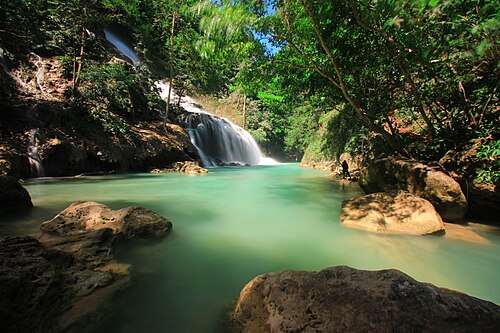 Sumba's national parks and endemic birds: Manupeu Tanah Daru and Laiwangi WanggametiA guide to Sumba's two national parks, known together as Matalawa: forests, waterfalls, the Sumba hornbill and other birds found nowhere else, and how to visit responsibly.
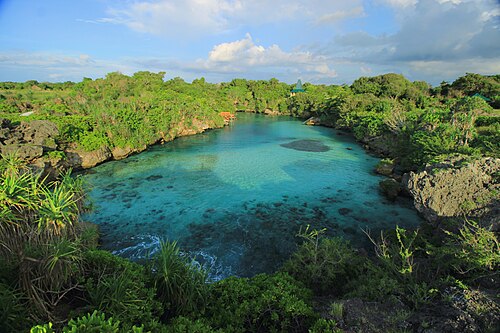 Snorkeling and diving in Sumba: where, when and how to stay safeWhat snorkeling and diving are really like in Sumba: sheltered spots such as Weekuri Lagoon, the best season, ocean conditions, gear to bring and safety tips.
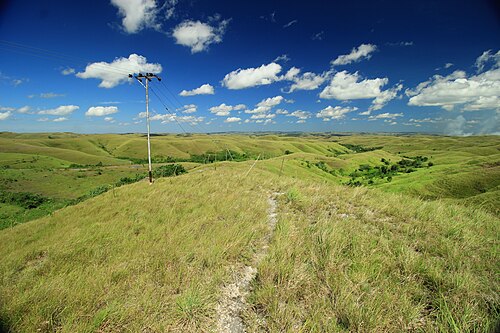 Photography and drones in Sumba: best spots, light and the rulesWhere and when to take the best photos in Sumba, how to photograph people and villages respectfully, and what to know before flying a drone in Indonesia.Hiking and walking in Sumba: hills, savannah and waterfall trailsThe best walks in Sumba, from the Wairinding savannah to waterfall trails and the forests of the national parks, with season and safety tips.
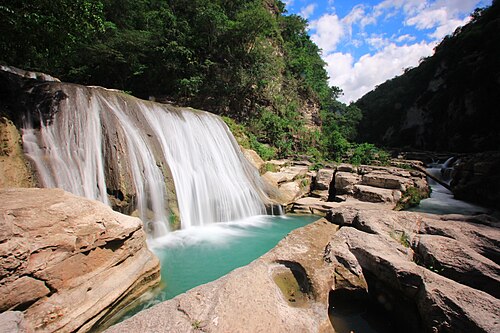 Why Sumba looks different: the geology of the islandSumba has no volcanoes, unlike its neighbours. How its limestone plateaus, coral terraces, canyons and savannahs were formed.The savannah of Sumba: why the island looks like AfricaWhy East Sumba is covered by golden grasslands, how rain, limestone, fire and grazing shaped them, and where to see the best savannah views.