 EN▾










Stargazing in Sumba: dark skies, the Milky Way and the southern stars
Why Sumba is one of the best places in Indonesia to see the stars, when the Milky Way is brightest, where to go and how to photograph it.
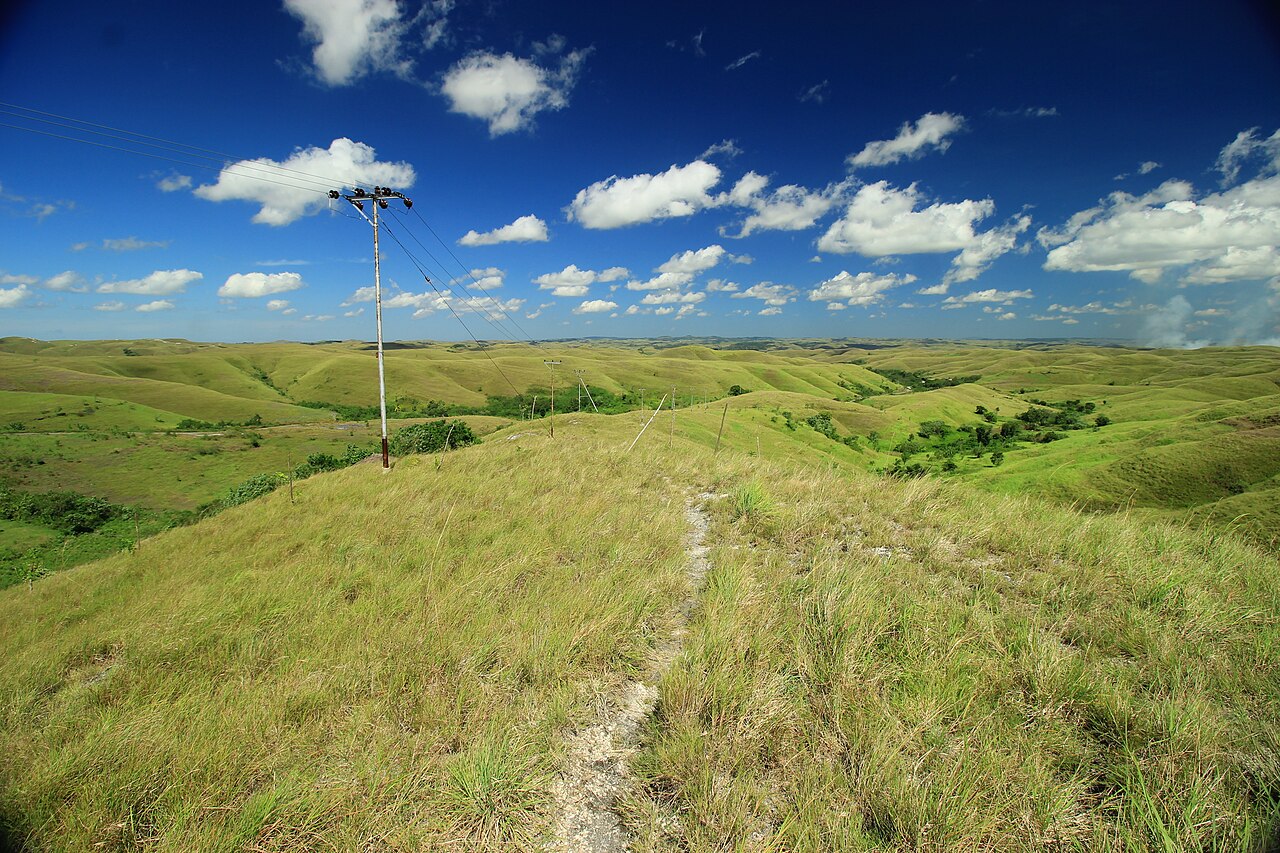

With few towns, little industry and long dry seasons, Sumba has some of the darkest skies you can easily reach in Indonesia. On a clear, moonless night away from the towns, the Milky Way is bright enough to cast shadows of the trees on the savannah.
When to go#
- Dry season, roughly May to October, gives the most clear nights. See weather by month.
- The bright core of the Milky Way is best placed in the evening from around April to September.
- Moon: plan around the new moon; a full moon washes out all but the brightest stars.
What you will see#
- The Southern Cross and the two bright pointer stars of Centaurus.
- The Magellanic Clouds, small galaxies visible only from the southern half of the sky.
- Constellations of both hemispheres: Sumba is close enough to the equator to see much of the northern sky too.
Where to go#
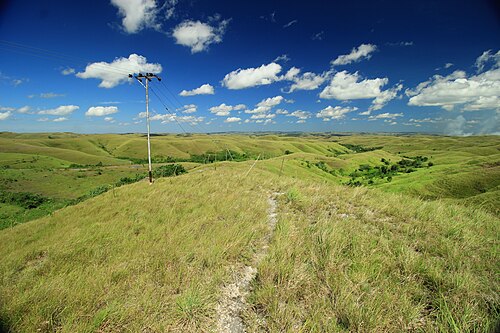
- The savannah of East Sumba, away from Waingapu: Wairinding or Napu (go with a driver, never alone at night).
- Beaches on the north coast such as those around Mamboro, with a dark sea horizon.
- Anywhere away from town lights: a few kilometres is enough.
Photographing the night sky#
- A tripod, a wide lens at its widest aperture, and exposures of around 15 to 25 seconds.
- Focus manually on a bright star.
- Use a red torch to keep your night vision.
Safety#
Roads are dark and animals wander; arrange transport in advance and let your hosts know where you are going.
📍 Places in this guide at a glance
| Place | Region | Type | Nearest airport |
|---|---|---|---|
| Wairinding Hill | East Sumba | ⛰️ Viewpoints | ✈ WGP · 22 km · 1 h |
| Napu Valley | East Sumba | ⛰️ Viewpoints | ✈ WGP · 51 km · 2 h 15 min |
| Kapulit Beach | Central Sumba | 🏖️ Beaches | ✈ TMC · 36 km · 1 h 30 min |
🗺️ On the map
FAQ
Is Sumba good for stargazing?
Yes. Light pollution is very low outside the towns and the dry season brings many clear nights.
When is the Milky Way visible in Sumba?
Its bright core is best in the evening from about April to September, on moonless nights.
🦜 Nature and wildlife
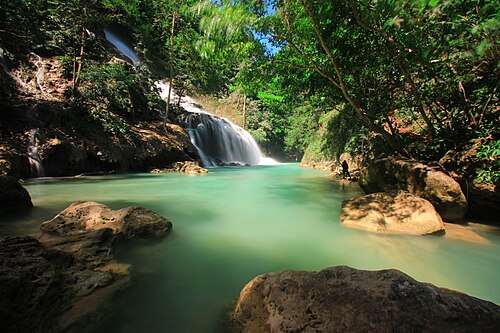 Sumba's national parks and endemic birds: Manupeu Tanah Daru and Laiwangi WanggametiA guide to Sumba's two national parks, known together as Matalawa: forests, waterfalls, the Sumba hornbill and other birds found nowhere else, and how to visit responsibly.
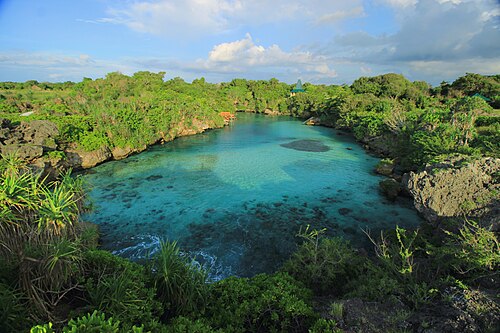 Snorkeling and diving in Sumba: where, when and how to stay safeWhat snorkeling and diving are really like in Sumba: sheltered spots such as Weekuri Lagoon, the best season, ocean conditions, gear to bring and safety tips.
 Photography and drones in Sumba: best spots, light and the rulesWhere and when to take the best photos in Sumba, how to photograph people and villages respectfully, and what to know before flying a drone in Indonesia.Hiking and walking in Sumba: hills, savannah and waterfall trailsThe best walks in Sumba, from the Wairinding savannah to waterfall trails and the forests of the national parks, with season and safety tips.
 Why Sumba looks different: the geology of the islandSumba has no volcanoes, unlike its neighbours. How its limestone plateaus, coral terraces, canyons and savannahs were formed.The savannah of Sumba: why the island looks like AfricaWhy East Sumba is covered by golden grasslands, how rain, limestone, fire and grazing shaped them, and where to see the best savannah views.