 EN▾






The old kingdoms of Sumba
How Sumba was divided into small domains ruled by noble families, how the Dutch used them, and what remains of the kingdoms today.

Before Indonesia, Sumba was not one state but a patchwork of small domains, each led by noble families and bound together by clan alliances, marriage and, at times, war. Their legacy is still visible in the villages, the tombs and the ikat.
Domains and nobles#
In East Sumba, domains such as Rende, Umalulu and Kapunduk were led by families of the noble rank (maramba); see clans and social structure. In the west, power was more spread among clans and villages. Rivalries between domains, raids and headhunting are part of the history remembered in songs and in the skull-tree motif on ikat.
The colonial period#
The Dutch extended control over Sumba in the early twentieth century and governed largely through local rulers, whom they recognised as "rajas" over the domains. Missions and schools followed, and the horse trade connected the island to the wider colony. See the history of Sumba.
After independence#
With Indonesian independence the domains were absorbed into the new administrative system of regencies and districts; see Sumba's regencies. Noble families often kept their prestige and ritual role, and some became local leaders in the new state.
Where to see the legacy#
- The great stone tombs of noble families in Praiyawang (Rende) and in the villages around Waingapu.
- The ancestral village of the kings of Mamboro near the Mamboro savanna.
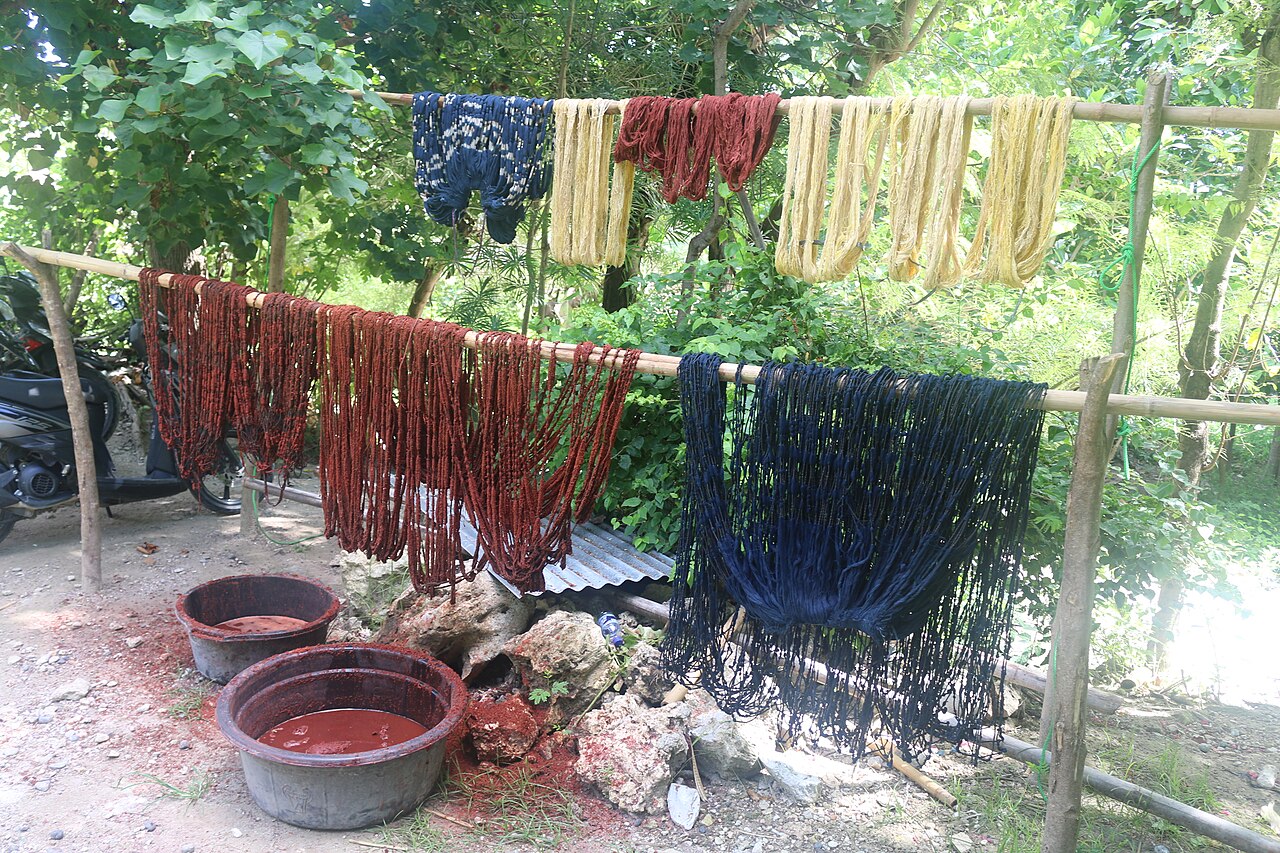
- Royal motifs (crocodiles, lions, crowns) on ikat.
🗺️ On the map
FAQ
Did Sumba have kings?
Yes. The island was divided into small domains led by noble families; the Dutch recognised local rulers as rajas.
What happened to the kingdoms?
After independence they were absorbed into Indonesia's regencies, though noble families often kept their ritual role.
🛖 Culture
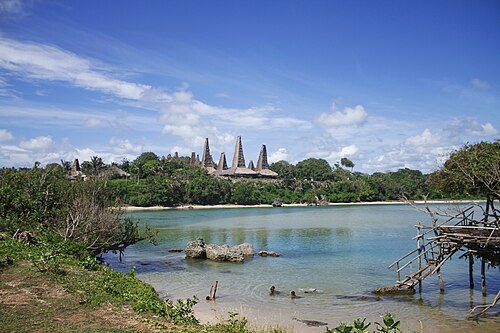 Traditional villages in Sumba: which to visit and howRatenggaro, Wainyapu, Tarung, Pasunga, Prailiu, Rende and more: what to see in Sumba's megalithic villages and how to visit respectfully.
 Marapu: Sumba's ancestral religion explainedWhat Marapu is, how it shapes Sumbanese houses, tombs, funerals and the Pasola, and how visitors can show respect.
 What to eat in Sumba: food, coffee and where to find itFresh fish, smoked meat, local vegetables, Sumba coffee and the betel-nut ritual: what you will eat on the island and practical tips.
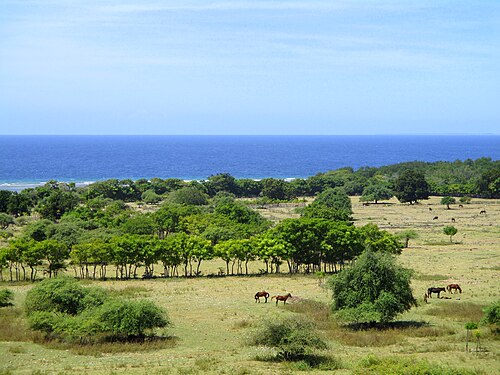 Sumba's horses: sandalwood ponies, Pasola and where to see themHorses are everywhere in Sumba: the history of the sandalwood pony, their role in Marapu culture, dowries and the Pasola, and where to see them.
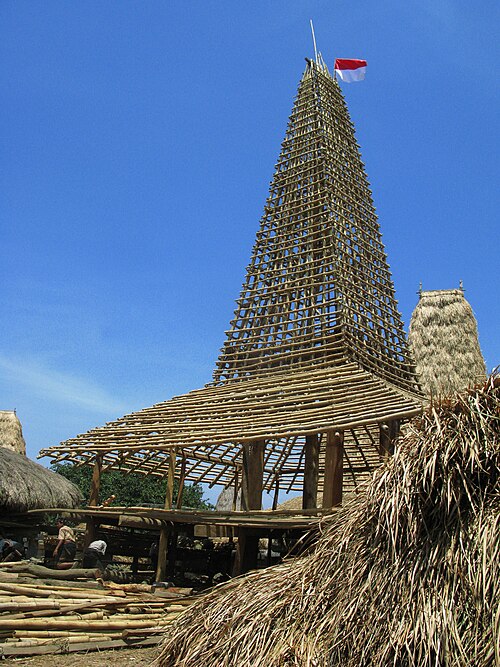
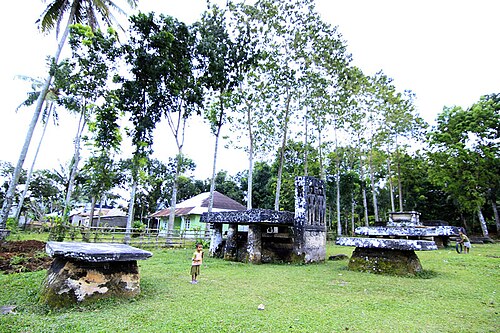 Sumba's megalithic tombs: a living stone-age traditionWhy Sumba is one of the last places where megalithic tombs are still built: meaning, how stones are hauled, where to see the finest tombs and how to visit respectfully.Sumba's traditional houses: the tall thatched roofs explainedWhy Sumbanese houses have tall peaked roofs, what each level is for, how they connect to the ancestors, and the best villages to see them.