 EN▾











Clans, houses and social structure in traditional Sumba
How Sumbanese society is organised: kabisu clans, ancestral houses and villages, and the traditional ranks of East Sumba.
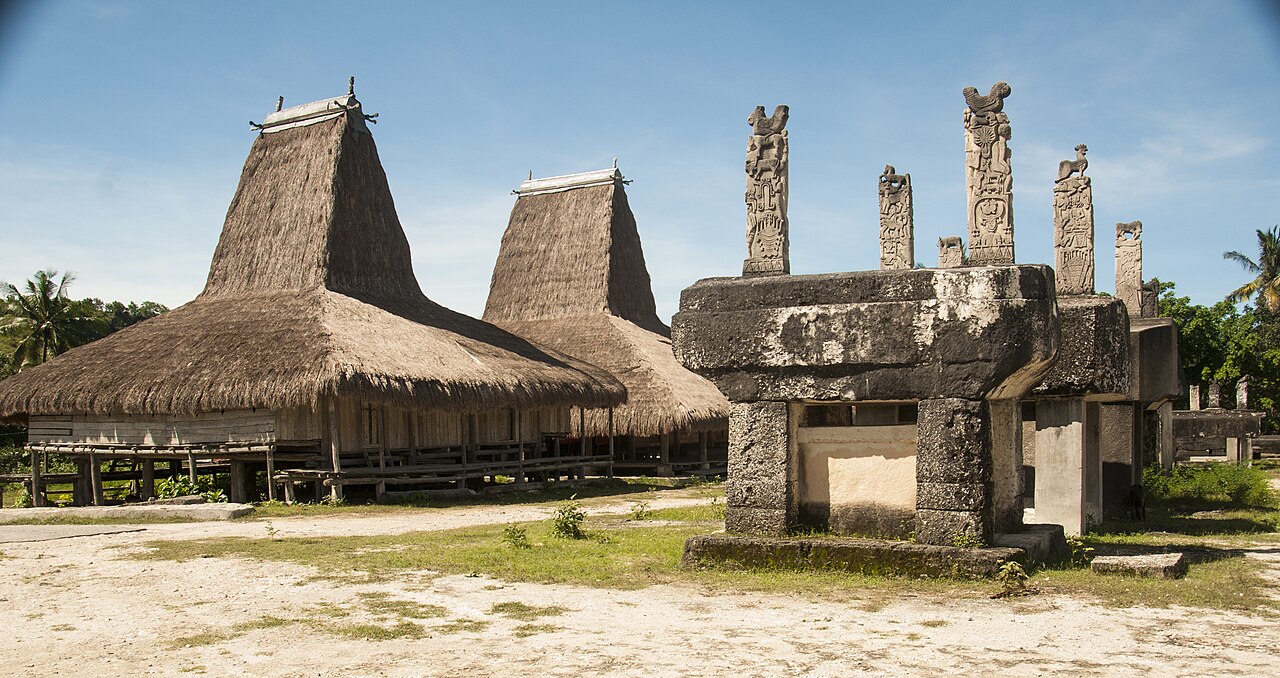

Understanding a little about how Sumbanese society is organised makes a village visit far more meaningful. The tall houses, the stone tombs in the square and the order of a ceremony all follow from it.
The clan: kabisu#
Sumbanese belong to clans, often called kabisu (or kabihu in East Sumba), which trace descent through the father's line to a founding ancestor. Each clan has its own Marapu, its own ritual duties and its own links to other clans through marriage. See marriage exchange.
The house and the village#
- The ancestral house (uma) is more than a home: it holds the clan's heirlooms in the high roof and is where rituals take place. See traditional houses.
- The ancestral village, usually on a hill, groups the houses of related clans around a square of stone tombs. In East Sumba it is called paraingu.
- Many families today live in garden hamlets or towns but return to the ancestral village for ceremonies.
Traditional ranks in East Sumba#
Ethnographers describe three traditional ranks in East Sumba: the nobility (maramba), free commoners (kabihu) and a hereditary serving class (ata). The old kingdoms of the east were led by noble families. Today Indonesia's law treats everyone equally, education and church life have changed a great deal, and the subject can be sensitive, so it is best not to ask people about their rank.
What this means when you visit#
- Introduce yourself to the elders or the person who greets you before wandering around.
- Do not climb on tombs or touch heirlooms.
- A guide from the area can explain which house is which and whose ancestors lie in the tombs.
Villages to start with: Praiyawang (Rende) in the east, Ratenggaro in the southwest and Tarung in the west.
📍 Places in this guide at a glance
| Place | Region | Type | Nearest airport |
|---|---|---|---|
| Praiyawang, Rende | East Sumba | 🛖 Villages | ✈ WGP · 50 km · 2 h |
| Ratenggaro Village | Southwest Sumba | 🛖 Villages | ✈ TMC · 36 km · 1 h 30 min |
| Tarung Village | West Sumba | 🛖 Villages | ✈ TMC · 31 km · 1 h 15 min |
🗺️ On the map
FAQ
What is a kabisu?
A Sumbanese clan that traces descent through the father's line to a founding ancestor, with its own ancestral house and ritual duties.
What does maramba mean?
The traditional noble rank of East Sumba, described by ethnographers alongside commoners (kabihu) and a serving class (ata).
🛖 Culture
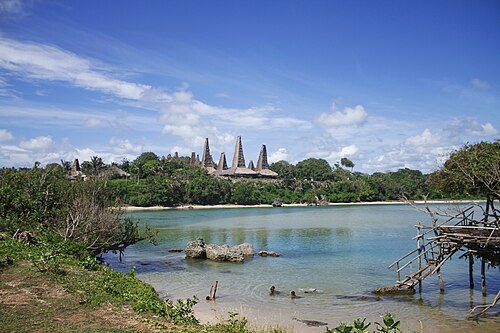 Traditional villages in Sumba: which to visit and howRatenggaro, Wainyapu, Tarung, Pasunga, Prailiu, Rende and more: what to see in Sumba's megalithic villages and how to visit respectfully.
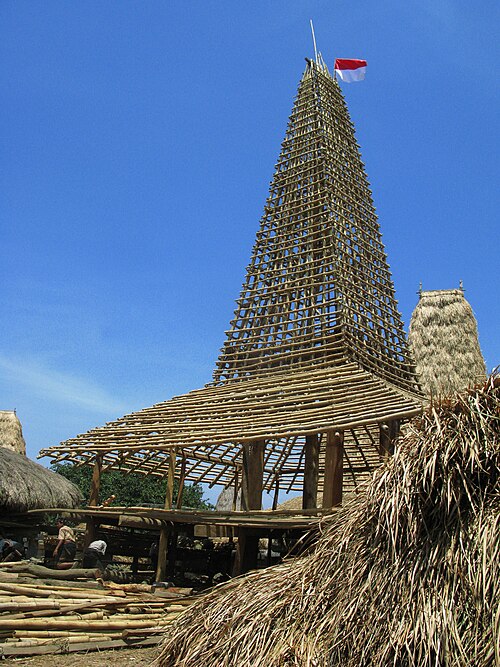 Marapu: Sumba's ancestral religion explainedWhat Marapu is, how it shapes Sumbanese houses, tombs, funerals and the Pasola, and how visitors can show respect.
 What to eat in Sumba: food, coffee and where to find itFresh fish, smoked meat, local vegetables, Sumba coffee and the betel-nut ritual: what you will eat on the island and practical tips.
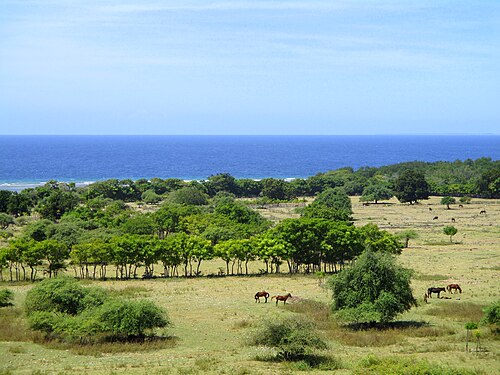 Sumba's horses: sandalwood ponies, Pasola and where to see themHorses are everywhere in Sumba: the history of the sandalwood pony, their role in Marapu culture, dowries and the Pasola, and where to see them.
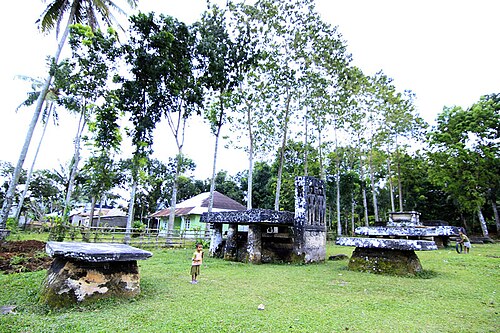 Sumba's megalithic tombs: a living stone-age traditionWhy Sumba is one of the last places where megalithic tombs are still built: meaning, how stones are hauled, where to see the finest tombs and how to visit respectfully.Sumba's traditional houses: the tall thatched roofs explainedWhy Sumbanese houses have tall peaked roofs, what each level is for, how they connect to the ancestors, and the best villages to see them.