 EN▾







Mamuli: the gold ornaments of Sumba
What mamuli are, what their shape means, how they are used in marriage and as heirlooms, and where you see them in Sumba today.
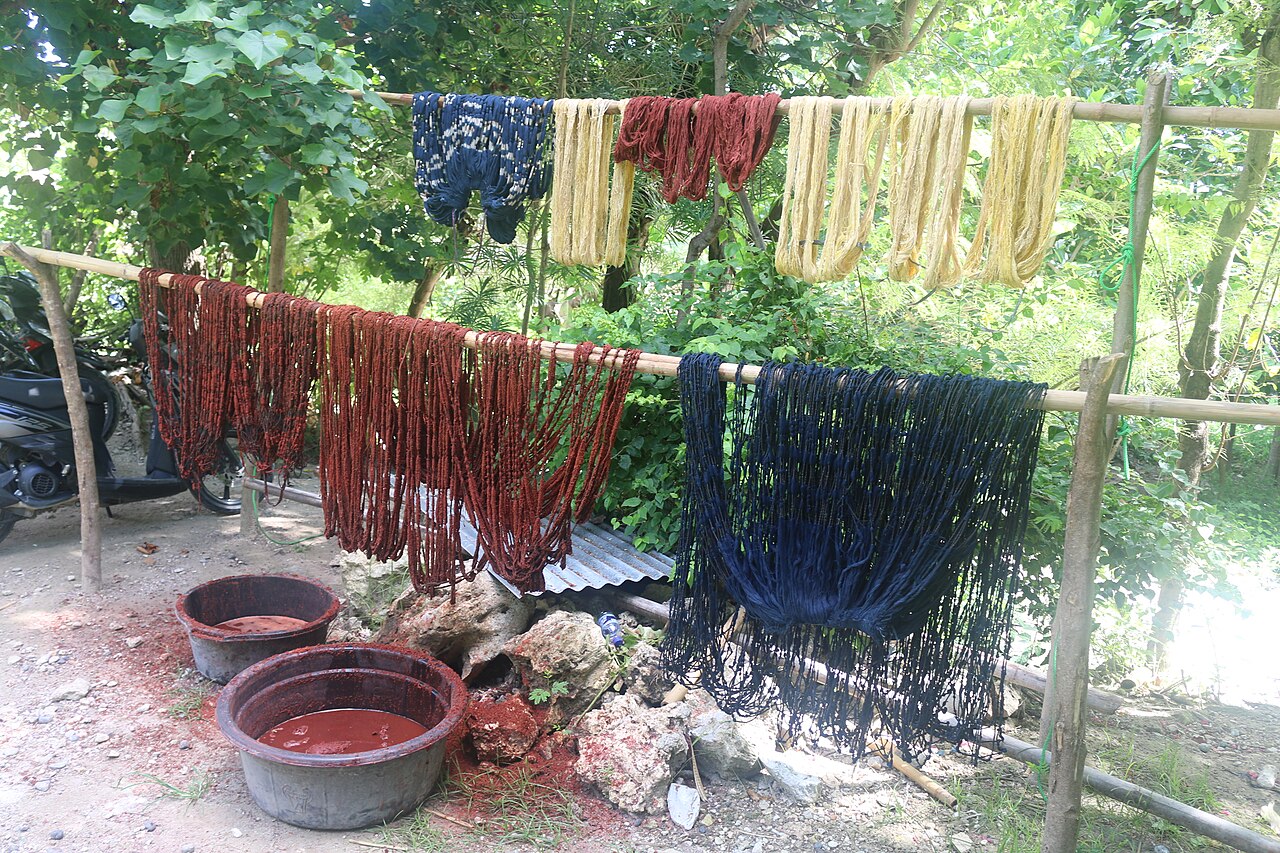

Look closely at Sumbanese ikat and you will often see a curious shape like an omega or a stylised womb. It is the mamuli, the best-known ornament of the island and one of the treasures of every important clan.
What a mamuli is#
A mamuli is a metal ornament, traditionally of gold, sometimes of silver or brass, with an open, rounded shape. It can be worn as an ear ornament or a pendant, but its main role is as a valuable: kept in the clan house and exchanged on important occasions.
What it means#
- Its shape is widely interpreted as a symbol of female fertility and of life passed on through women.
- Paradoxically for Western eyes, it counts as a "male" good in the exchange system, given by the groom's side in marriage negotiations.
- Old mamuli are heirlooms tied to the ancestors and are usually kept hidden in the roof of the house, brought out only for ceremonies.
Where you see mamuli#
- On ikat. The motif appears on many East Sumba cloths; see ikat motifs and their meaning.
- In ceremonies such as weddings, when heirlooms are displayed.
- As jewellery. Modern mamuli in silver or plated metal are sold as souvenirs in Waingapu and weaving villages.
Buying and respect#
Old heirloom mamuli belong to clans and should not be bought from people who may not have the right to sell them. Newly made pieces and pieces of ikat with the motif are the respectful choice. See markets in Sumba.
FAQ
What is a mamuli?
A traditional Sumbanese ornament, usually of gold, with an omega-like shape associated with female fertility, used as a valuable in marriage exchange.
Can I buy a mamuli?
Newly made mamuli are sold as jewellery; old heirloom pieces belong to clans and should not be bought.
🛖 Culture
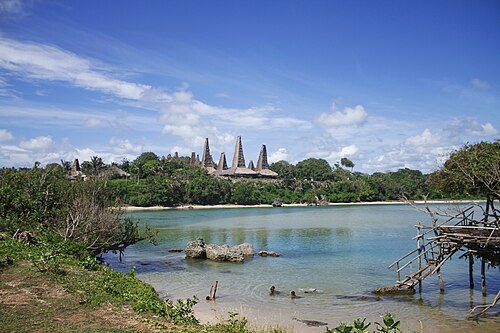 Traditional villages in Sumba: which to visit and howRatenggaro, Wainyapu, Tarung, Pasunga, Prailiu, Rende and more: what to see in Sumba's megalithic villages and how to visit respectfully.
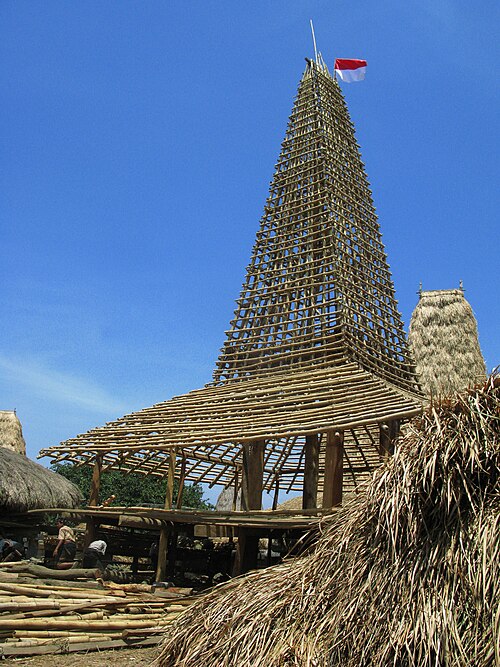 Marapu: Sumba's ancestral religion explainedWhat Marapu is, how it shapes Sumbanese houses, tombs, funerals and the Pasola, and how visitors can show respect.
 What to eat in Sumba: food, coffee and where to find itFresh fish, smoked meat, local vegetables, Sumba coffee and the betel-nut ritual: what you will eat on the island and practical tips.
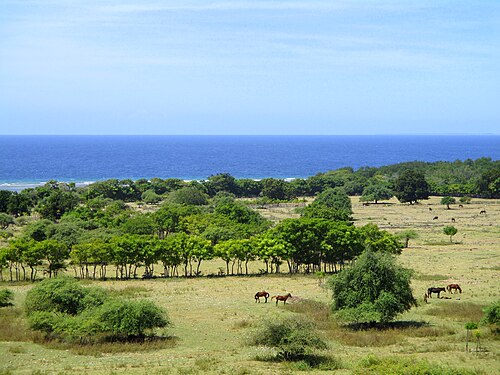 Sumba's horses: sandalwood ponies, Pasola and where to see themHorses are everywhere in Sumba: the history of the sandalwood pony, their role in Marapu culture, dowries and the Pasola, and where to see them.
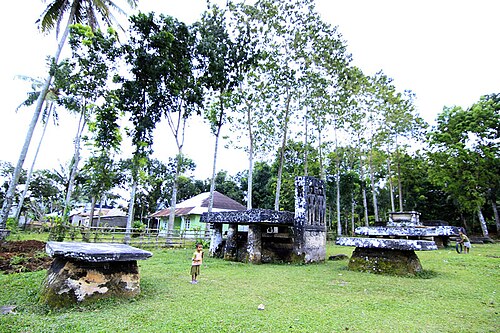 Sumba's megalithic tombs: a living stone-age traditionWhy Sumba is one of the last places where megalithic tombs are still built: meaning, how stones are hauled, where to see the finest tombs and how to visit respectfully.Sumba's traditional houses: the tall thatched roofs explainedWhy Sumbanese houses have tall peaked roofs, what each level is for, how they connect to the ancestors, and the best villages to see them.