 EN▾











Belis: marriage exchange and bride wealth in Sumba
How marriage alliances work in traditional Sumba: belis, the exchange of animals, gold and cloth between families, and why it still matters.
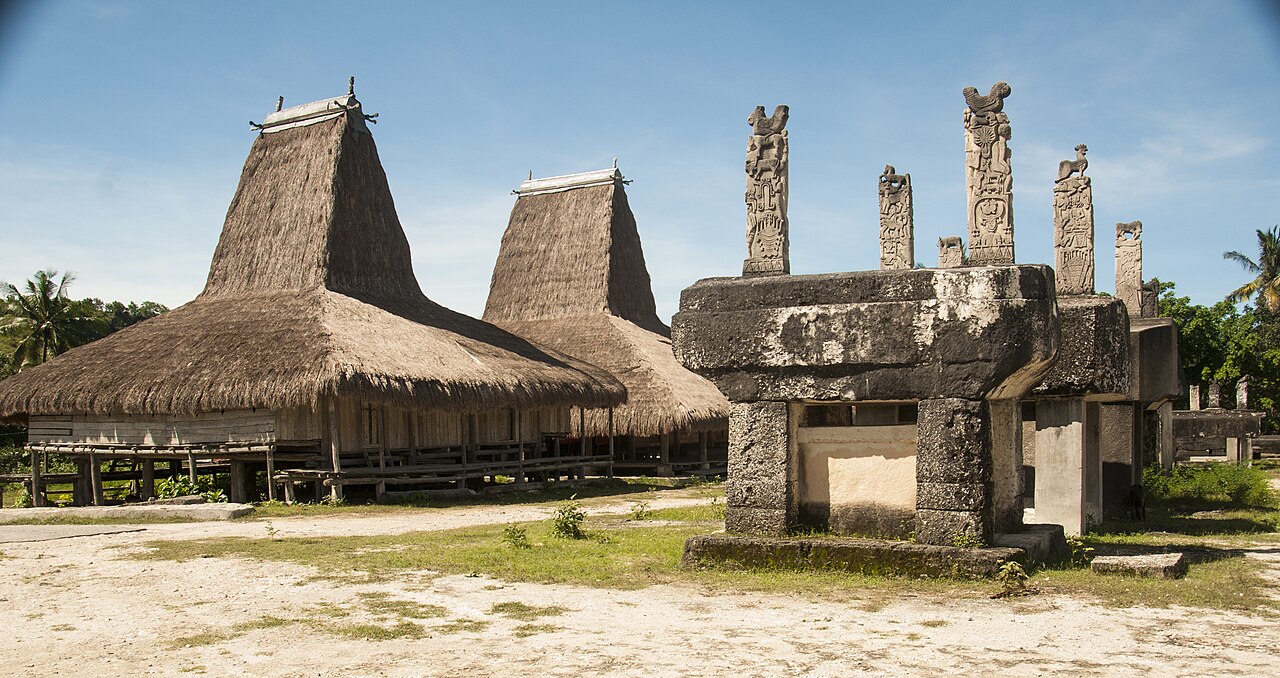

In Sumba a marriage is not only a union of two people; it is an alliance between two clans. The negotiations and gifts that seal it are known across East Nusa Tenggara as belis, often translated as bride wealth or bride price.
How the exchange works#
Anthropologists who have worked in Sumba describe a two-way exchange. The groom's family gives goods seen as "male": buffalo, horses, metal objects and gold ornaments such as the mamuli. The bride's family answers with "female" goods: hand-woven ikat cloth and pigs. Spokesmen for each side negotiate in a formal, poetic language, sometimes over many meetings.
Why it matters#
- It creates lasting obligations between clans (wife-givers and wife-takers) that shape ceremonies for generations.
- It turns animals and textiles into social memory: who gave what is remembered.
- It shows the standing of both families.
Debates today#
Belis is debated within Sumba itself. Many families value it as identity and respect; others point to the debts that large exchanges can create, and church and community leaders have encouraged more modest amounts. Practice varies a lot between regencies, villages and religious communities, so any figure you hear is specific to one family.
Seeing a wedding as a visitor#
Weddings are private family events. If you are invited, dress modestly, bring a small gift, follow your host's lead and ask before taking photos. See photographing people respectfully.
FAQ
What is belis in Sumba?
The exchange of gifts between two clans that seals a marriage: typically animals and gold from the groom's side, and ikat cloth and pigs from the bride's side.
Is belis still practised?
Yes, widely, though amounts and forms vary and some community leaders encourage smaller exchanges.
🛖 Culture
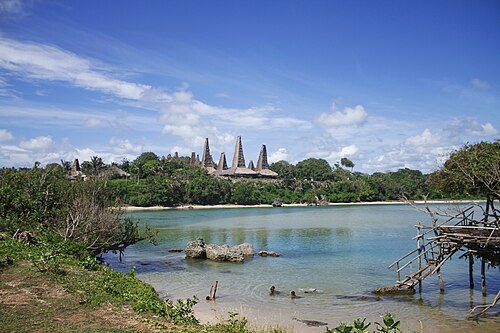 Traditional villages in Sumba: which to visit and howRatenggaro, Wainyapu, Tarung, Pasunga, Prailiu, Rende and more: what to see in Sumba's megalithic villages and how to visit respectfully.
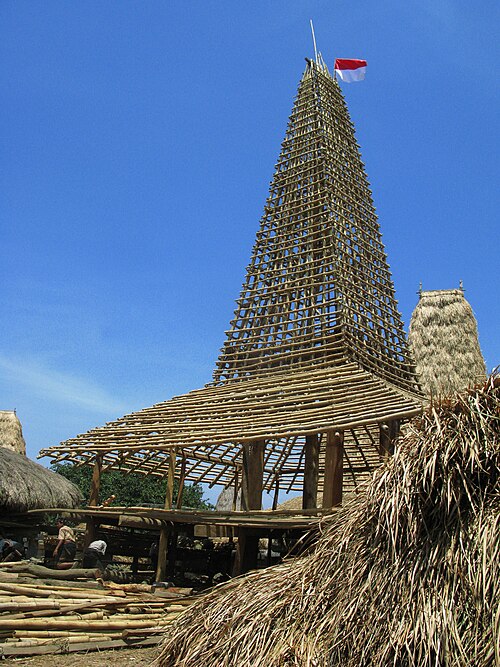 Marapu: Sumba's ancestral religion explainedWhat Marapu is, how it shapes Sumbanese houses, tombs, funerals and the Pasola, and how visitors can show respect.
 What to eat in Sumba: food, coffee and where to find itFresh fish, smoked meat, local vegetables, Sumba coffee and the betel-nut ritual: what you will eat on the island and practical tips.
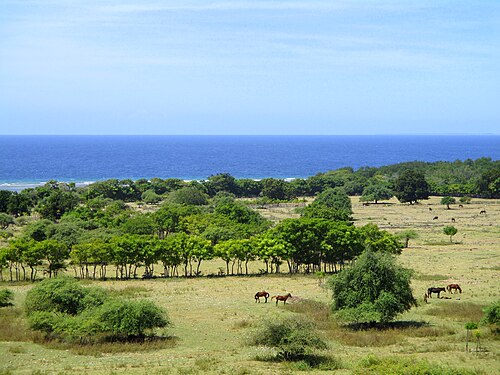 Sumba's horses: sandalwood ponies, Pasola and where to see themHorses are everywhere in Sumba: the history of the sandalwood pony, their role in Marapu culture, dowries and the Pasola, and where to see them.
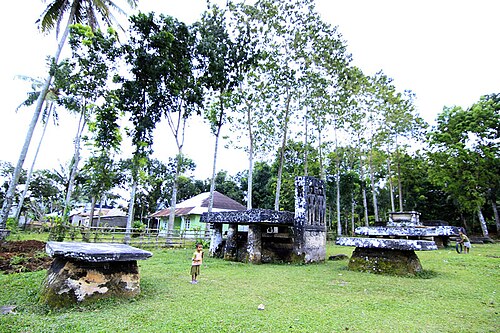 Sumba's megalithic tombs: a living stone-age traditionWhy Sumba is one of the last places where megalithic tombs are still built: meaning, how stones are hauled, where to see the finest tombs and how to visit respectfully.Sumba's traditional houses: the tall thatched roofs explainedWhy Sumbanese houses have tall peaked roofs, what each level is for, how they connect to the ancestors, and the best villages to see them.