 EN▾











Betel nut in Sumba: what sirih pinang means and how to respond
Why you will be offered betel nut in Sumba, what is in it, what it means socially, and how to accept or politely decline.


Visit a village in Sumba and one of the first things you will notice are red-stained smiles. Chewing betel, called sirih pinang in Indonesian, is part of daily life and of almost every social occasion on the island.
What is in it#
- Pinang: the areca nut, from a palm.
- Sirih: the betel plant, chewed as leaf or as the long green fruit.
- Kapur: powdered lime, which reacts with the other two and turns the mix red.
People carry the ingredients in a small woven or cloth bag, and spit the red juice as they chew.
What it means#
Offering betel is the basic gesture of hospitality and respect in Sumba. It opens conversations, welcomes guests, seals agreements and is part of ceremonies from weddings to funerals. In Marapu belief it is also an offering to the ancestors. Bringing betel nut as a gift when you visit a village is always appropriate: see gifts for village hosts.
If you are offered betel#
- Accepting it with your right hand is polite, even if you do not chew it. You can keep it or hand it on later.
- A smile and "terima kasih" (thank you) is enough to decline; nobody expects foreigners to chew.
- If you try it, use a very small amount of lime: it can burn the mouth, and the nut can make you dizzy or sweaty.
A health note#
The World Health Organization's cancer agency classifies areca nut as a cause of cancer in humans, and regular chewing is linked to mouth disease. A one-off taste is a cultural experience; it is not something to take up.
See also etiquette in Sumba and useful phrases.
FAQ
Should I chew betel nut in Sumba?
You do not have to. Accepting it with your right hand is polite; you can decline with a smile and thank you.
Is betel nut a good gift for a village?
Yes. Betel nut and areca are among the most appreciated small gifts when visiting a Sumbanese village.
🛖 Culture
 Traditional villages in Sumba: which to visit and howRatenggaro, Wainyapu, Tarung, Pasunga, Prailiu, Rende and more: what to see in Sumba's megalithic villages and how to visit respectfully.
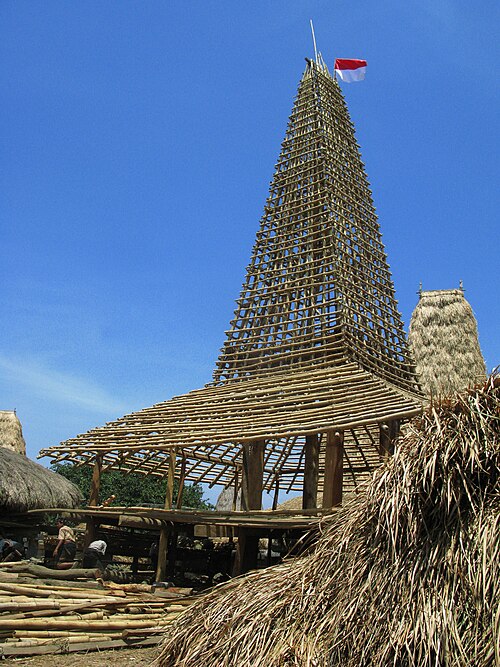 Marapu: Sumba's ancestral religion explainedWhat Marapu is, how it shapes Sumbanese houses, tombs, funerals and the Pasola, and how visitors can show respect.
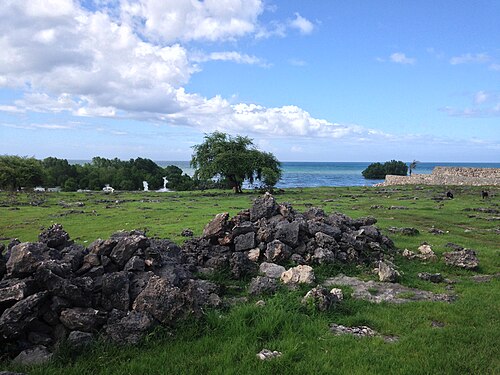 What to eat in Sumba: food, coffee and where to find itFresh fish, smoked meat, local vegetables, Sumba coffee and the betel-nut ritual: what you will eat on the island and practical tips.
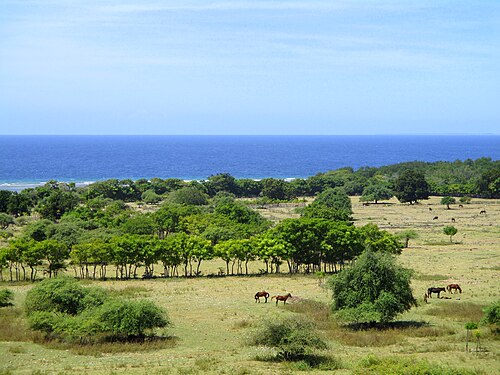 Sumba's horses: sandalwood ponies, Pasola and where to see themHorses are everywhere in Sumba: the history of the sandalwood pony, their role in Marapu culture, dowries and the Pasola, and where to see them.
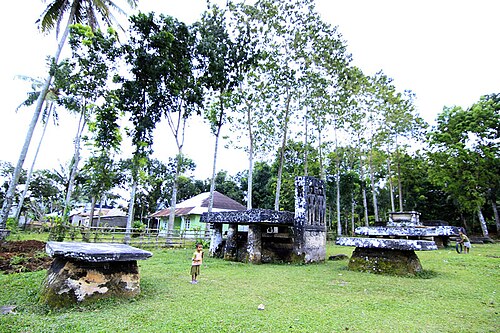 Sumba's megalithic tombs: a living stone-age traditionWhy Sumba is one of the last places where megalithic tombs are still built: meaning, how stones are hauled, where to see the finest tombs and how to visit respectfully.Sumba's traditional houses: the tall thatched roofs explainedWhy Sumbanese houses have tall peaked roofs, what each level is for, how they connect to the ancestors, and the best villages to see them.