 EN▾











What to bring as a gift when visiting a village in Sumba
Small, useful and appropriate gifts for village visits and homestays in Sumba, what to avoid, and how to give them.
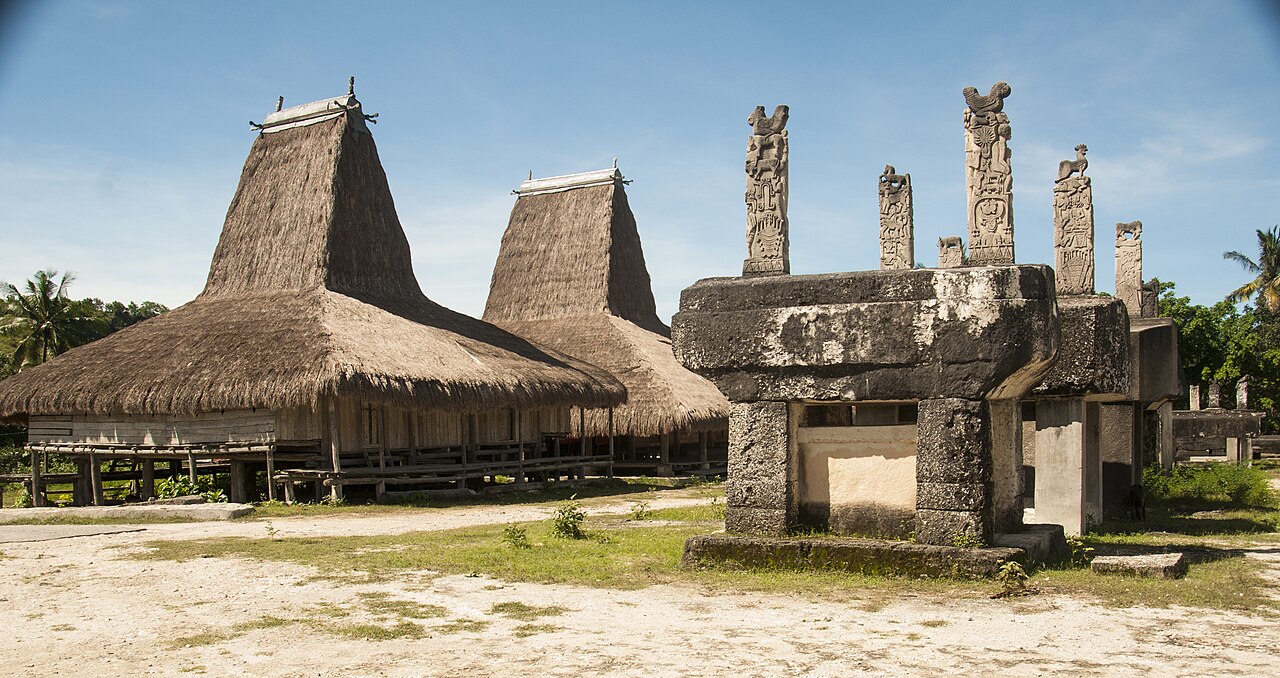

Arriving with a small gift is good manners in Sumba, especially if you visit a family, stay in a homestay or are invited to a ceremony.
Appreciated gifts#
- Betel nut and areca (sirih pinang): the traditional gift of respect; see betel nut in Sumba.
- Sugar, coffee and tea: always welcome in a household.
- Rice for a homestay or a ceremony.
- School supplies (notebooks, pencils), given through a teacher or the family rather than handed out to children in the street.
- Printed photos of the family from an earlier visit.
Better to avoid#
- Sweets handed to children: they encourage begging and harm teeth.
- Alcohol, unless you are certain your hosts welcome it.
- Expensive gifts that create awkward obligations.
How to give#
- Give to the head of the family or the person who welcomes you.
- Use your right hand or both hands.
- Do not expect the gift to be opened in front of you.
Village donations#
Many traditional villages have a guestbook and ask for a donation. That is separate from personal gifts and goes to the community. See etiquette and tipping.
FAQ
What is a good gift for a Sumbanese family?
Betel nut, sugar, coffee or tea are traditional and always welcome.
Should I give sweets to children in Sumba?
No; it encourages begging. Give school supplies through a teacher or family instead.
🛖 Culture
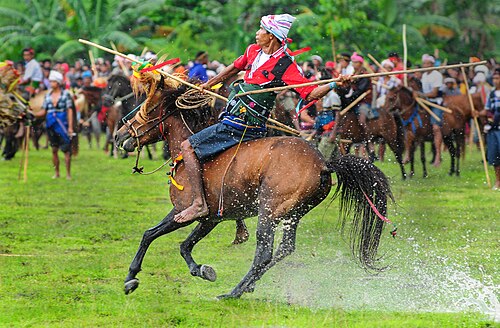 Pasola: Sumba's horseback spear ritualWhat the Pasola is, where it happens and how to watch it respectfully.
 Traditional villages in Sumba: which to visit and howRatenggaro, Wainyapu, Tarung, Pasunga, Prailiu, Rende and more: what to see in Sumba's megalithic villages and how to visit respectfully.
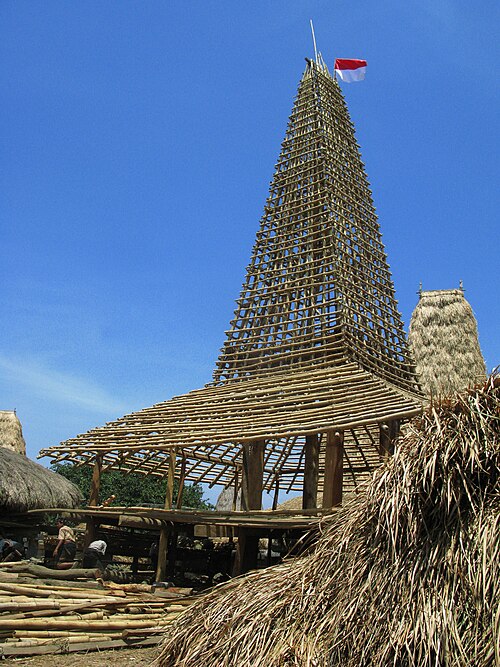 Marapu: Sumba's ancestral religion explainedWhat Marapu is, how it shapes Sumbanese houses, tombs, funerals and the Pasola, and how visitors can show respect.
 What to eat in Sumba: food, coffee and where to find itFresh fish, smoked meat, local vegetables, Sumba coffee and the betel-nut ritual: what you will eat on the island and practical tips.
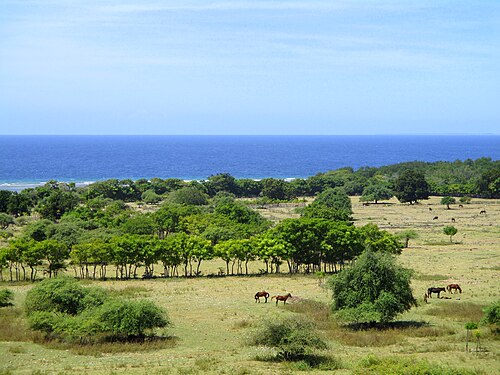 Sumba's horses: sandalwood ponies, Pasola and where to see themHorses are everywhere in Sumba: the history of the sandalwood pony, their role in Marapu culture, dowries and the Pasola, and where to see them.
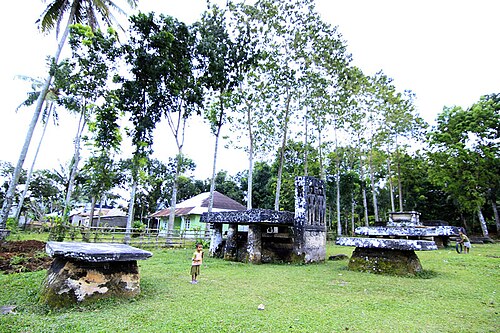 Sumba's megalithic tombs: a living stone-age traditionWhy Sumba is one of the last places where megalithic tombs are still built: meaning, how stones are hauled, where to see the finest tombs and how to visit respectfully.