 EN▾










Photographing people in Sumba: a respectful guide
How to take photos of people, villages, ceremonies and tombs in Sumba respectfully: asking, children, sacred objects and sharing photos.


Sumba is one of the most photogenic islands in Indonesia, and its people are often happy to be photographed. Asking first and giving something back makes the difference between a good encounter and an intrusive one.
Ask first#
- Smile, show your camera and ask "Boleh foto?" (May I take a photo?).
- Accept a no gracefully.
- In villages, greet the elders or the family before photographing their house or tombs.
Children#
Children often love having their photo taken, but ask a parent or adult when you can, and do not give money or sweets in exchange. Do not post photos that identify children's locations without thought.
Sacred places and ceremonies#
- Some houses, objects and rituals are not to be photographed; ask your guide.
- At funerals and ceremonies, stay discreet and never block participants.
- Do not climb on tombs for a better angle.
Paying for photos#
In some popular villages people ask for a small payment for portraits, especially in traditional dress. Decide before you shoot, and pay what was agreed. The village donation covers general photography of the village.
Give something back#
- Show people the photo on your screen.
- Send copies through your guide or host; printed photos are treasured.
- Buy something from the family or the village.
For drones and gear, see drones and photography.
FAQ
Can I take photos of people in Sumba?
Usually yes, if you ask first. Respect a no, and ask your guide about sacred places and ceremonies.
🛖 Culture
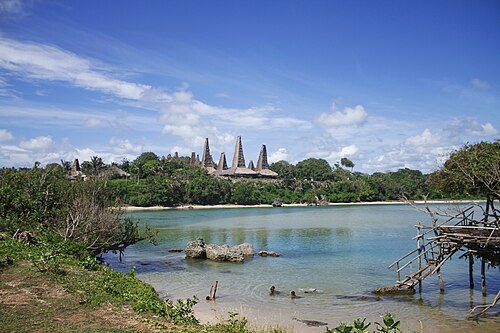 Traditional villages in Sumba: which to visit and howRatenggaro, Wainyapu, Tarung, Pasunga, Prailiu, Rende and more: what to see in Sumba's megalithic villages and how to visit respectfully.
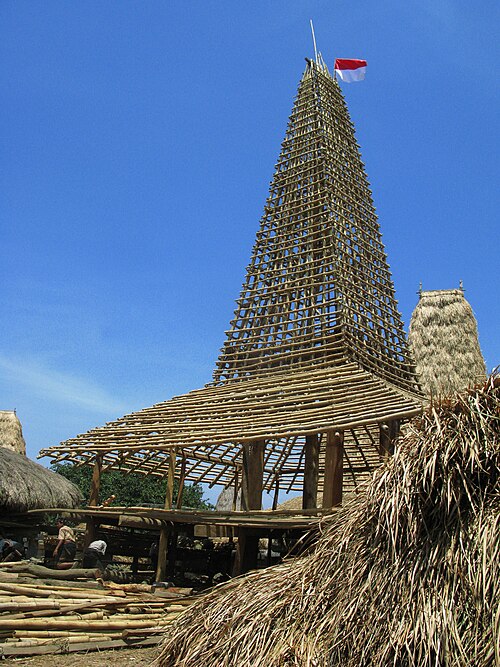 Marapu: Sumba's ancestral religion explainedWhat Marapu is, how it shapes Sumbanese houses, tombs, funerals and the Pasola, and how visitors can show respect.
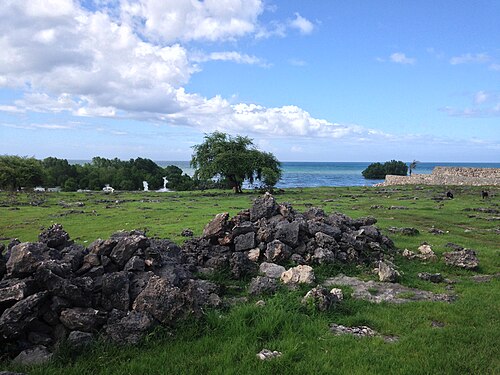 What to eat in Sumba: food, coffee and where to find itFresh fish, smoked meat, local vegetables, Sumba coffee and the betel-nut ritual: what you will eat on the island and practical tips.
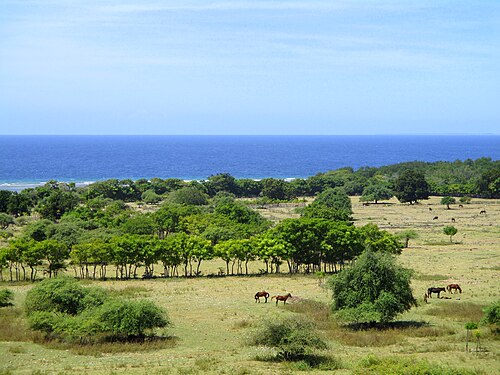 Sumba's horses: sandalwood ponies, Pasola and where to see themHorses are everywhere in Sumba: the history of the sandalwood pony, their role in Marapu culture, dowries and the Pasola, and where to see them.
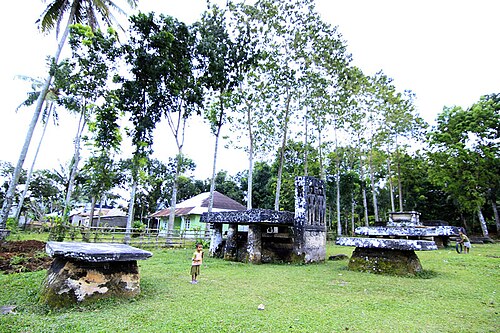 Sumba's megalithic tombs: a living stone-age traditionWhy Sumba is one of the last places where megalithic tombs are still built: meaning, how stones are hauled, where to see the finest tombs and how to visit respectfully.Sumba's traditional houses: the tall thatched roofs explainedWhy Sumbanese houses have tall peaked roofs, what each level is for, how they connect to the ancestors, and the best villages to see them.