 EN▾






Why is Sumba called Sandalwood Island?
Where Sumba's old nickname comes from, what sandalwood and horses had to do with it, and why you still hear the name today.
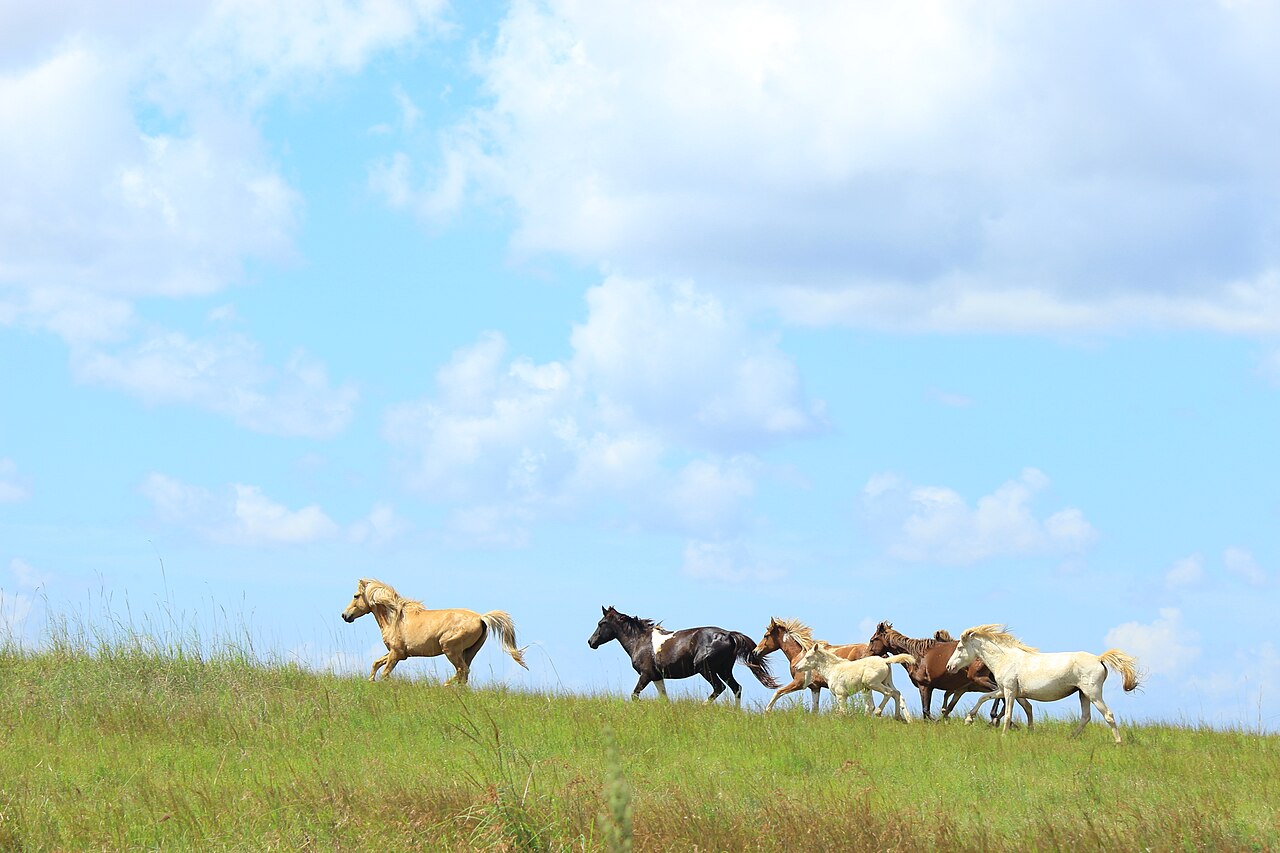

Old maps and travel books often call Sumba "Sandalwood Island", and the island's famous horses are still known as sandalwood ponies. The name says a lot about how outsiders saw Sumba for centuries: as a source of valuable goods rather than a place to visit.
Sandalwood and the spice-era trade#
Fragrant sandalwood was one of the most valuable products of eastern Indonesia, sold to traders from China, India and later Europe for incense, medicine and carving. Historians note that neighbouring Timor was the main source of the trade, but the whole region, Sumba included, became linked with the wood in the minds of foreign sailors, and the nickname stuck in European writing.
From wood to horses#
By the colonial period Sumba was better known for horses than for trees. Small, tough horses were raised on the island's grasslands and shipped to other islands, and they took the island's nickname with them: the "sandalwood pony". Horses still matter enormously in Sumba, from everyday transport in the hills to bride exchange and the Pasola festival. See the horses of Sumba.
Is there still sandalwood in Sumba?#
Wild sandalwood became scarce across the region after centuries of cutting. Replanting projects exist in East Nusa Tenggara, the province Sumba belongs to, but you are unlikely to see old sandalwood forest on a visit. What you will see are the open savannahs that replaced much of the original forest; read why Sumba has savannah.
Other names you will hear#
- Sumba is the island and also the name used by its people (orang Sumba).
- Humba is the local pronunciation in East Sumba.
- The four regencies are West, Southwest, Central and East Sumba; see the regencies.
FAQ
Why is Sumba called Sandalwood Island?
Because the region was known to foreign traders for sandalwood. Historians note Timor was the bigger source, but the nickname became attached to Sumba in European writing.
What is a sandalwood pony?
The traditional name for the small, hardy horses bred in Sumba and exported to other islands.
🛖 Culture
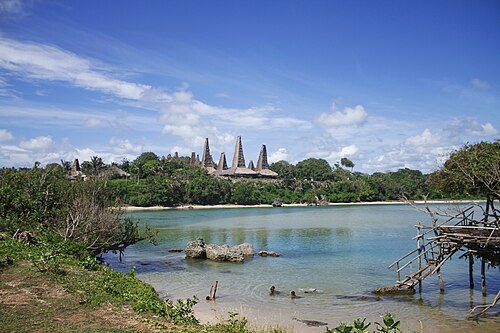 Traditional villages in Sumba: which to visit and howRatenggaro, Wainyapu, Tarung, Pasunga, Prailiu, Rende and more: what to see in Sumba's megalithic villages and how to visit respectfully.
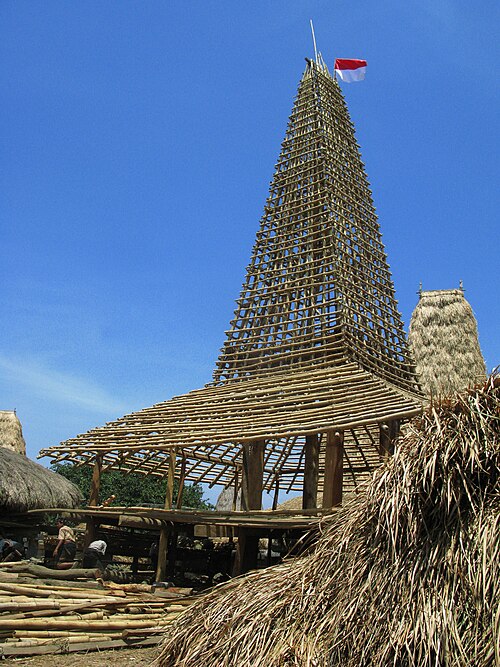 Marapu: Sumba's ancestral religion explainedWhat Marapu is, how it shapes Sumbanese houses, tombs, funerals and the Pasola, and how visitors can show respect.
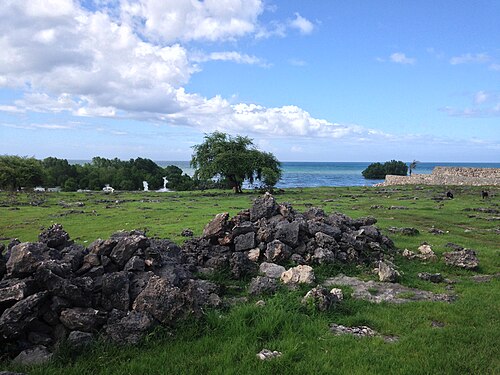 What to eat in Sumba: food, coffee and where to find itFresh fish, smoked meat, local vegetables, Sumba coffee and the betel-nut ritual: what you will eat on the island and practical tips.
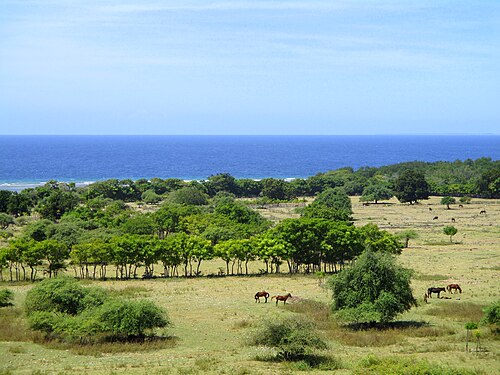 Sumba's horses: sandalwood ponies, Pasola and where to see themHorses are everywhere in Sumba: the history of the sandalwood pony, their role in Marapu culture, dowries and the Pasola, and where to see them.
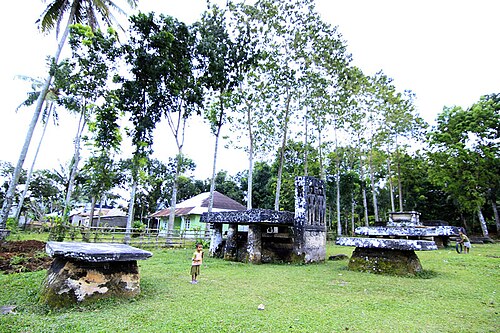 Sumba's megalithic tombs: a living stone-age traditionWhy Sumba is one of the last places where megalithic tombs are still built: meaning, how stones are hauled, where to see the finest tombs and how to visit respectfully.Sumba's traditional houses: the tall thatched roofs explainedWhy Sumbanese houses have tall peaked roofs, what each level is for, how they connect to the ancestors, and the best villages to see them.