 EN▾











Funerals in Sumba: ceremonies, stone tombs and what visitors should know
Why funerals are the biggest events in Sumbanese life, how they connect to Marapu belief and the megalithic tombs, and how to behave if you come across one.
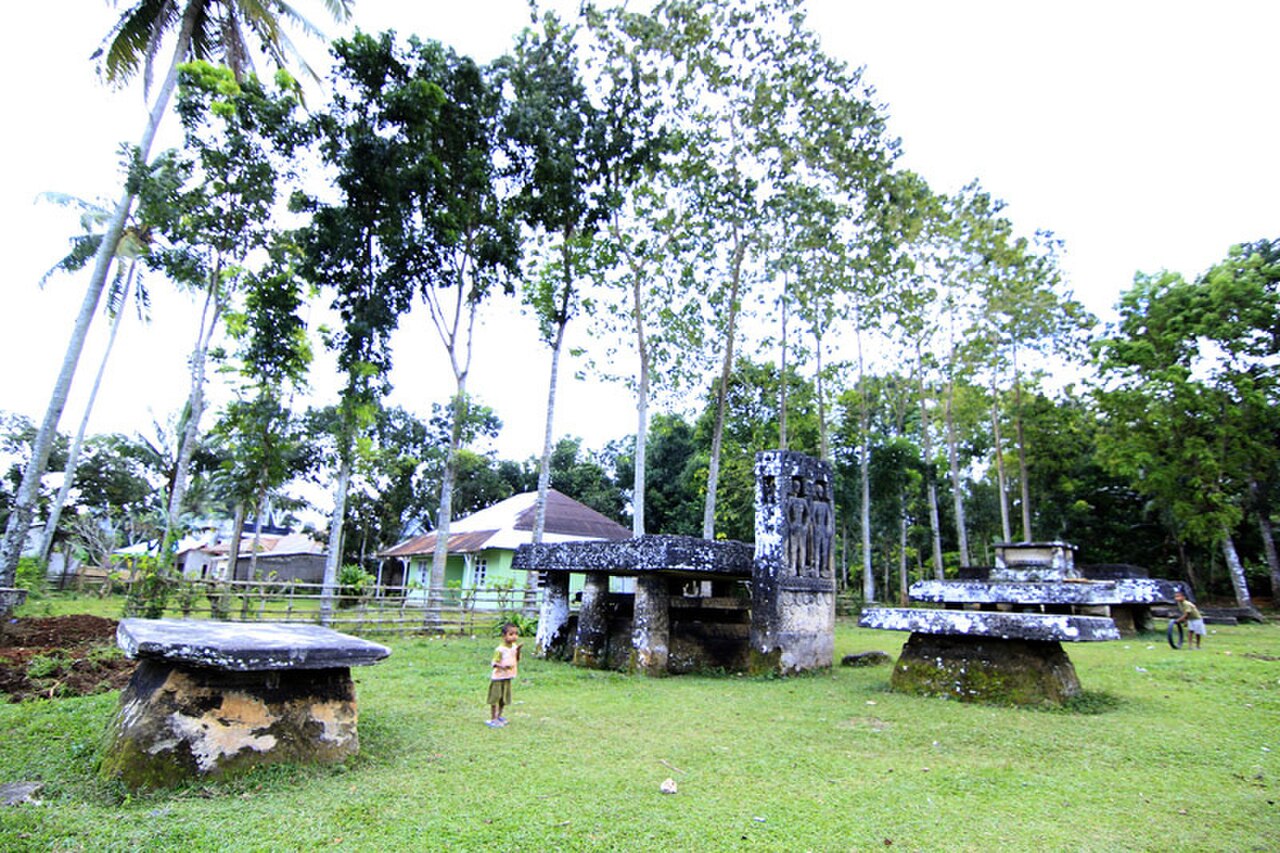

The stone tombs in front of Sumbanese houses are the most visible sign of a simple truth: in Sumba, honouring the dead is central to life. Funerals can be the largest gatherings a family ever hosts.
Why funerals are so important#
In Marapu belief, the dead join the ancestors, who continue to watch over and influence the living. A proper funeral helps the soul on its way and keeps the relationship with the ancestors in good order. Christians in Sumba also hold large funerals, and many families combine church rites with older customs.
What a traditional funeral involves#
- Time to gather. Relatives may come from far away, so a body can be kept for some time before burial while the family prepares.
- Exchange and sacrifice. Guests bring animals, cloth and other gifts, and buffalo, pigs or horses may be sacrificed to accompany the dead. The family remembers every gift.
- Ikat. The deceased may be wrapped in many hand-woven cloths.
- Stone tombs. Important people are buried in large stone graves, some of which were dragged into place by hundreds of people. See the megalithic tombs.
Cost and change#
Large funerals can be a heavy burden, and local governments and churches have encouraged limits on sacrifices. As with weddings, practice varies widely.
If you come across a funeral#
- Do not walk in uninvited or photograph mourners.
- If your driver or guide is invited and you are welcome, dress modestly, stay at the edge and follow their lead.
- Animal sacrifice can be confronting to see; it is fine to step away quietly.
The tombs at Gallubakul and Pasunga are good places to understand this heritage calmly.
🗺️ On the map
FAQ
Why are there stone tombs in front of houses in Sumba?
Because the dead are honoured as ancestors who stay close to the family; important people are buried in stone graves in the village square.
Can tourists attend a funeral in Sumba?
Only if invited. Funerals are family events; if welcome, dress modestly, stay discreet and ask before photographing.
🛖 Culture
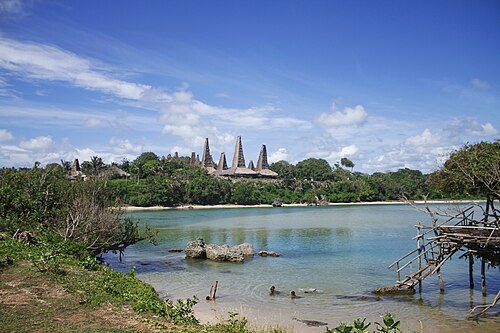 Traditional villages in Sumba: which to visit and howRatenggaro, Wainyapu, Tarung, Pasunga, Prailiu, Rende and more: what to see in Sumba's megalithic villages and how to visit respectfully.
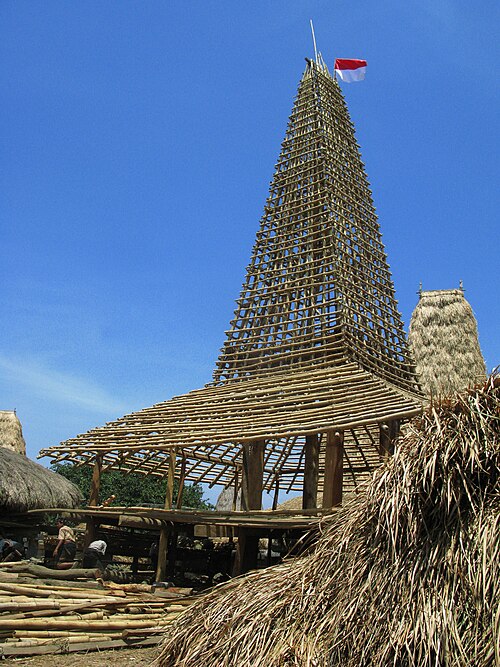 Marapu: Sumba's ancestral religion explainedWhat Marapu is, how it shapes Sumbanese houses, tombs, funerals and the Pasola, and how visitors can show respect.
 What to eat in Sumba: food, coffee and where to find itFresh fish, smoked meat, local vegetables, Sumba coffee and the betel-nut ritual: what you will eat on the island and practical tips.
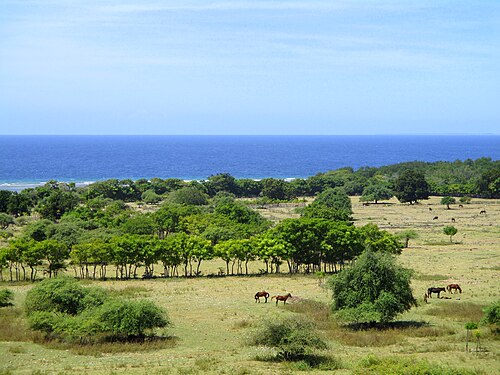 Sumba's horses: sandalwood ponies, Pasola and where to see themHorses are everywhere in Sumba: the history of the sandalwood pony, their role in Marapu culture, dowries and the Pasola, and where to see them.
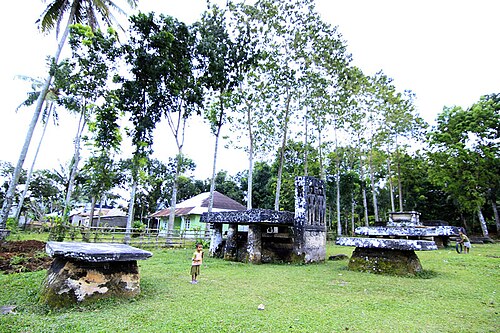 Sumba's megalithic tombs: a living stone-age traditionWhy Sumba is one of the last places where megalithic tombs are still built: meaning, how stones are hauled, where to see the finest tombs and how to visit respectfully.Sumba's traditional houses: the tall thatched roofs explainedWhy Sumbanese houses have tall peaked roofs, what each level is for, how they connect to the ancestors, and the best villages to see them.