 EN▾








Wula Podu: the sacred month of West Sumba
What Wula Podu is, when and where it takes place, what happens during the sacred month and how visitors can respect it.
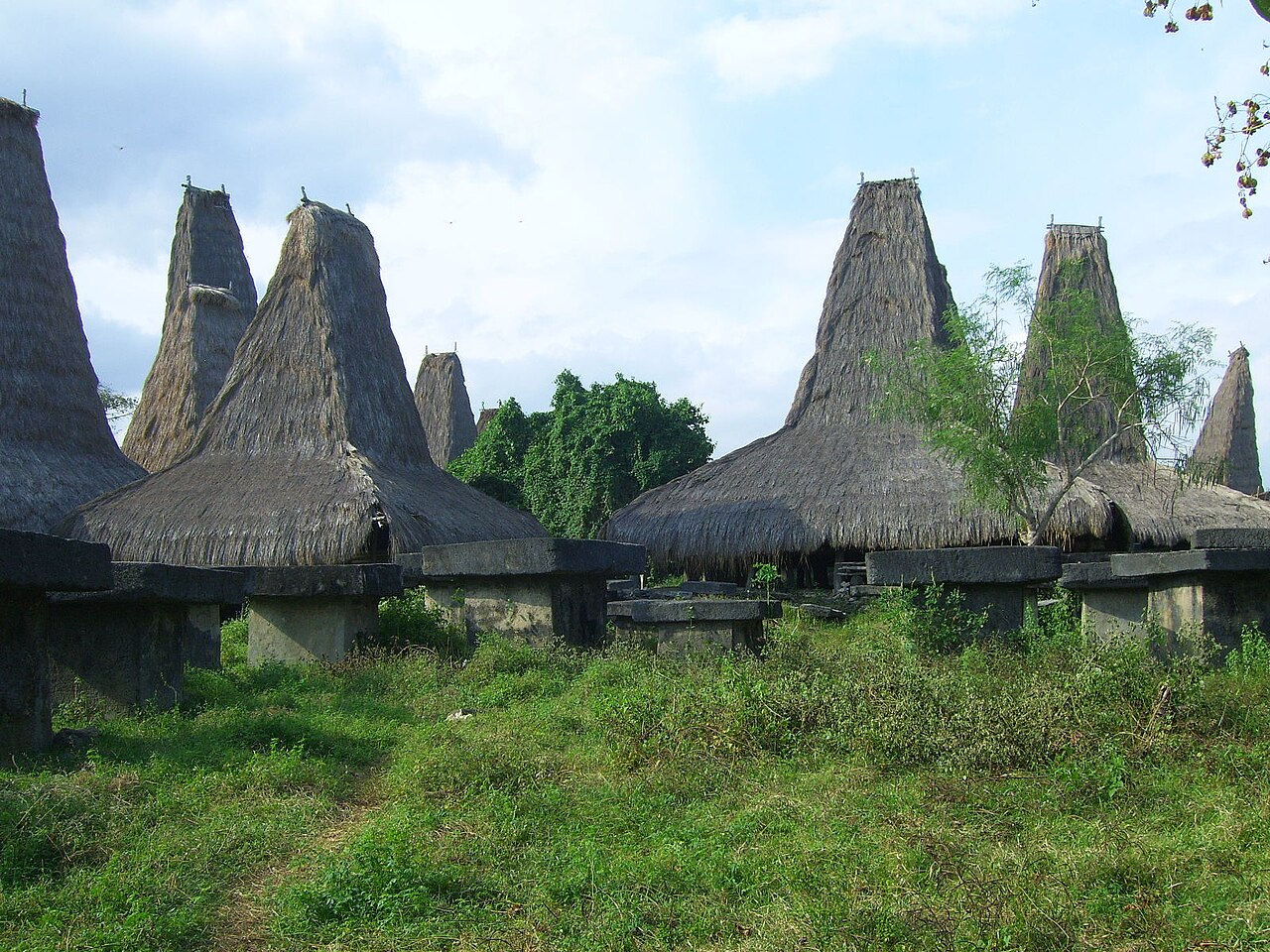

Wula Podu is one of the most important events of the Marapu calendar in West Sumba. The name is usually translated as the "bitter month": a period of restraint, rituals and ceremonies that ends in celebration.
When and where#
Wula Podu is held in the area around Waikabubak (Loli and the villages around the town, such as Tarung and Waigalli), usually around October and November. The exact dates are set each year by the Marapu priests (rato) according to the traditional calendar, so they are only known shortly before. Ask locally or check our events calendar.
What happens#
- A time of restraint. During the month, communities avoid certain activities, such as loud celebrations and some kinds of work, out of respect for the ancestors.
- Rituals and offerings. Priests lead ceremonies with offerings and chanting, asking the ancestors for good harvests and well-being.
- The closing celebration. The month ends with dances, songs and gatherings that draw people from the surrounding villages.
Visiting during Wula Podu#
- Go with a local guide who can tell you what is open to visitors and when.
- Ask before photographing ceremonies; some rites are not for outsiders.
- Dress modestly and bring a small gift such as betel nut; see betel nut.
- Respect the restrictions of the month even if they seem small: they are taken seriously.
Read more about Marapu and the villages of West Sumba.
🗺️ On the map
FAQ
When is Wula Podu?
Usually around October and November. The exact dates are set each year by the Marapu priests.
Where does Wula Podu take place?
In the Marapu villages of West Sumba around Waikabubak, including Tarung and Waigalli.
🛖 Culture
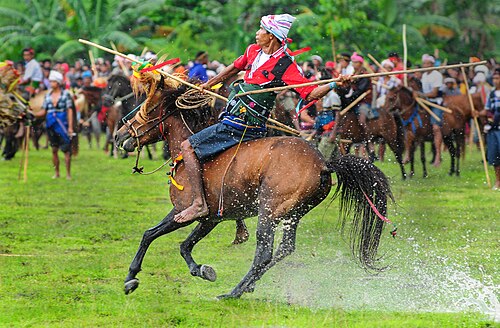 Pasola: Sumba's horseback spear ritualWhat the Pasola is, where it happens and how to watch it respectfully.
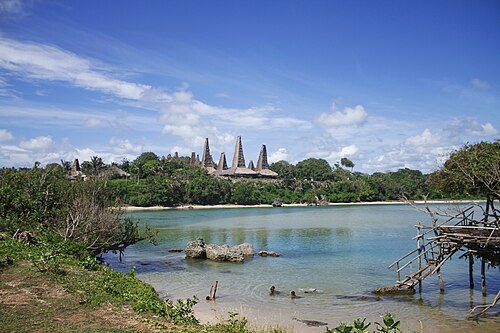 Traditional villages in Sumba: which to visit and howRatenggaro, Wainyapu, Tarung, Pasunga, Prailiu, Rende and more: what to see in Sumba's megalithic villages and how to visit respectfully.
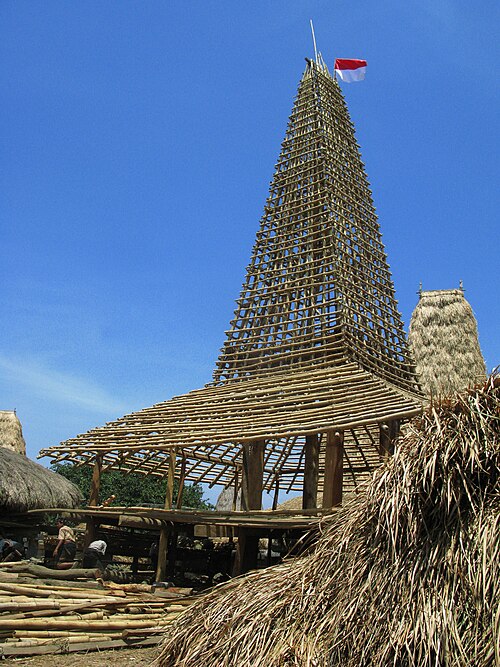 Marapu: Sumba's ancestral religion explainedWhat Marapu is, how it shapes Sumbanese houses, tombs, funerals and the Pasola, and how visitors can show respect.
 What to eat in Sumba: food, coffee and where to find itFresh fish, smoked meat, local vegetables, Sumba coffee and the betel-nut ritual: what you will eat on the island and practical tips.
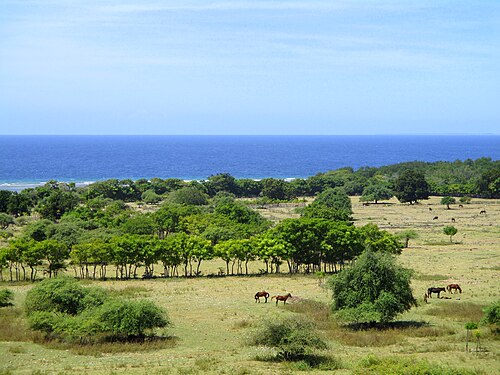 Sumba's horses: sandalwood ponies, Pasola and where to see themHorses are everywhere in Sumba: the history of the sandalwood pony, their role in Marapu culture, dowries and the Pasola, and where to see them.
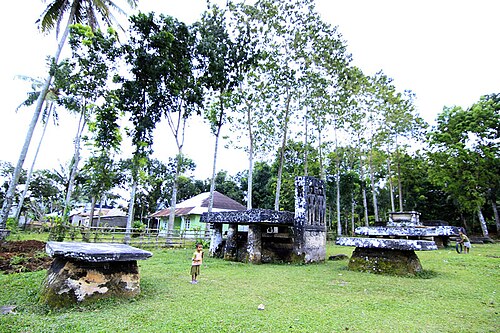 Sumba's megalithic tombs: a living stone-age traditionWhy Sumba is one of the last places where megalithic tombs are still built: meaning, how stones are hauled, where to see the finest tombs and how to visit respectfully.