 EN▾




Sumba ikat: how the island's famous textiles are made and where to see them
Hinggi and lau cloths, natural dyes, motifs and meaning, and how to buy Sumba ikat fairly from the weavers.
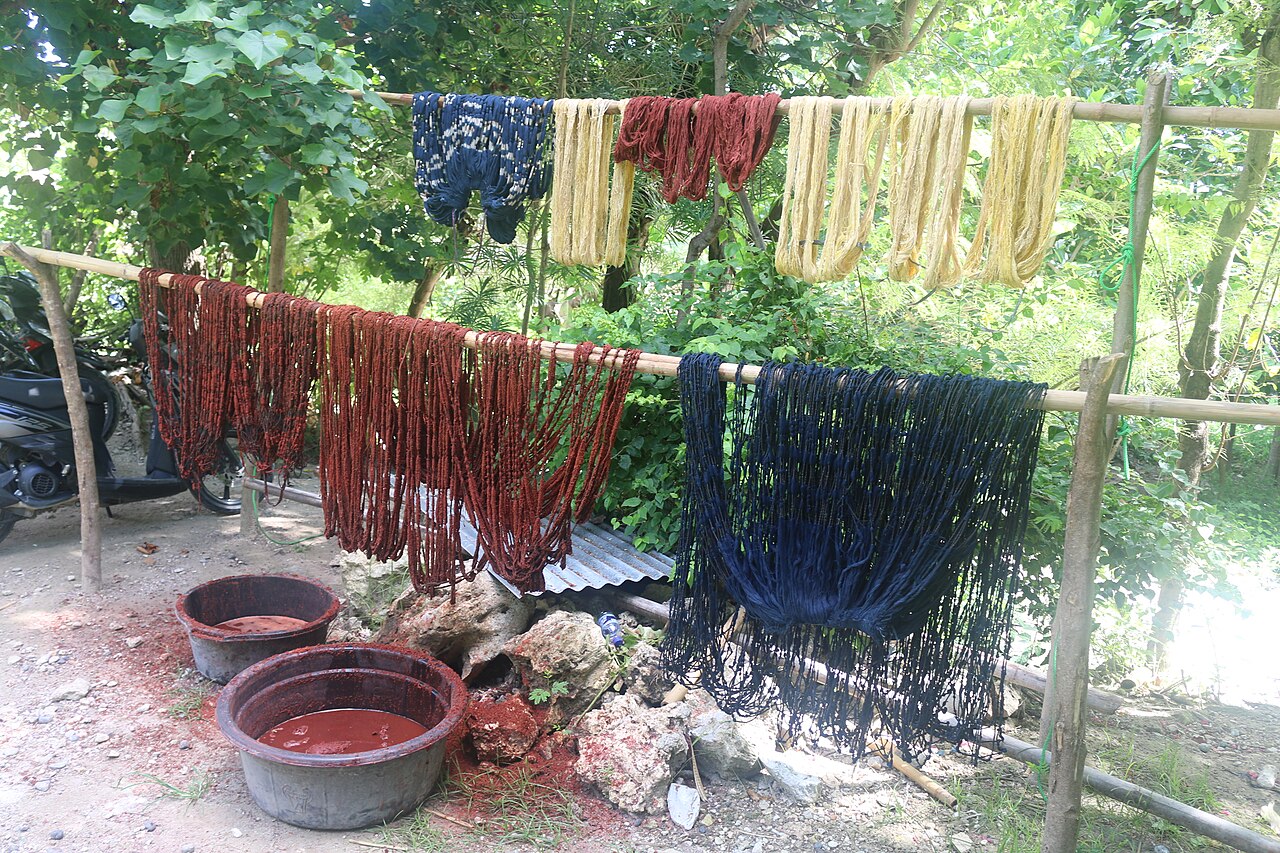

Sumba ikat is one of the best known textile traditions in Indonesia. The cloths are not souvenirs made for tourists: they are exchanged at weddings and funerals, worn at ceremonies and wrapped around the dead. A single large piece can take many months of work.
What ikat means#
Ikat comes from the Indonesian word for "to tie". Before weaving, bundles of thread are tied tightly in a pattern and dyed. The tied parts resist the dye. The process is repeated for each colour, and only then is the cloth woven, so the pattern appears as the threads cross.
Hinggi and lau#
- Hinggi are large cloths traditionally worn by men, as a wrap and over the shoulder. East Sumba is especially famous for them.
- Lau are tubular skirts traditionally worn by women, sometimes decorated with beads or shells.
Natural dyes#
The classic colours are deep blue from indigo and red-brown from the root of the morinda (mengkudu) tree. Natural dyeing is slow and is one reason why authentic pieces are expensive. Cheaper cloths often use chemical dyes; both exist side by side today.
Motifs#
Common motifs include horses, roosters, shrimps and lobsters, crocodiles, snakes, deer and human figures, often arranged symmetrically. Many motifs relate to status, clans and the ancestral world of Marapu. Ask the weaver what a cloth represents: the answer is part of what you take home.
Where to see weaving#
Weaving happens in many villages, especially in East Sumba around Waingapu, including Prailiu and the Rende area, and in West Sumba villages such as Tarung and Prai Ijing. See all villages on the interactive map.
Buying fairly#
- Buy directly from the weaver or a family when you can.
- Ask whether the dyes are natural or chemical; the price should reflect it.
- Do not bargain aggressively. A large hand-tied cloth represents months of work.
- Very old cloths may be family heirlooms. Do not pressure people to sell them.
📍 Places in this guide at a glance
| Place | Region | Type | Nearest airport |
|---|---|---|---|
| Prailiu Royal Village | East Sumba | 🛖 Villages | ✈ WGP · 3 km · 15 min |
| Praiyawang, Rende | East Sumba | 🛖 Villages | ✈ WGP · 50 km · 2 h |
| Tarung Village | West Sumba | 🛖 Villages | ✈ TMC · 31 km · 1 h 15 min |
| Prai Ijing Village | West Sumba | 🛖 Villages | ✈ TMC · 34 km · 1 h 30 min |
Guides
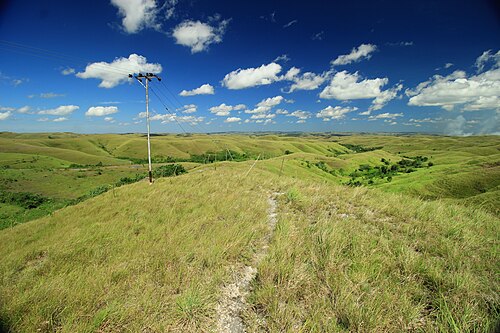
50 best things to do in Sumba
From Weekuri Lagoon to the Pasola, the dancing trees of Walakiri and the megalithic tombs of Anakalang: the best experiences on Sumba island, with a map.
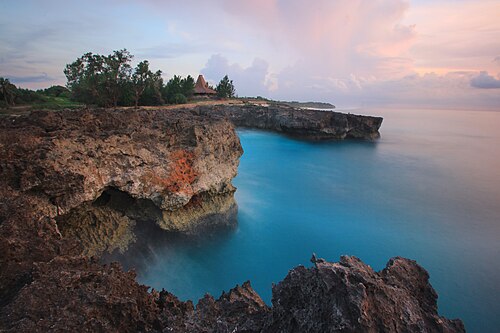
The best beaches in Sumba (with map)
Every beach worth the drive on Sumba: lagoons, surf breaks, sunset spots and empty white sand on all four coasts, with tips on safety and access.
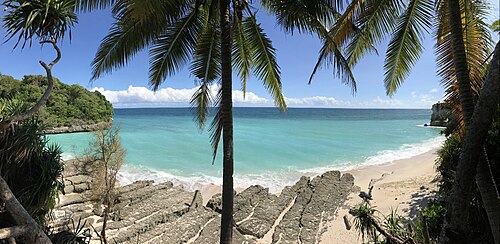
Where to stay in Sumba: the best areas for every trip
Which area of Sumba to stay in: Tambolaka and Kodi, Waikabubak and the south-west coast, Central Sumba and Waingapu in the east, and how to split your nights.
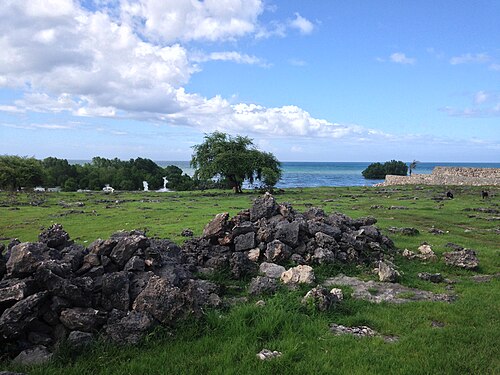
What to eat in Sumba: food, coffee and where to find it
Fresh fish, smoked meat, local vegetables, Sumba coffee and the betel-nut ritual: what you will eat on the island and practical tips.
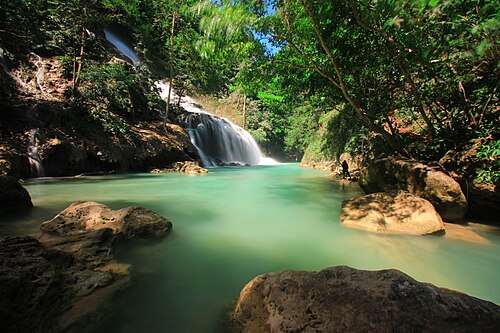
Sumba in the rainy season: is it worth visiting from November to April?
What travelling in Sumba during the wet season is really like: rain patterns, roads, waterfalls, green landscapes, the Pasola, and how to plan around the weather.
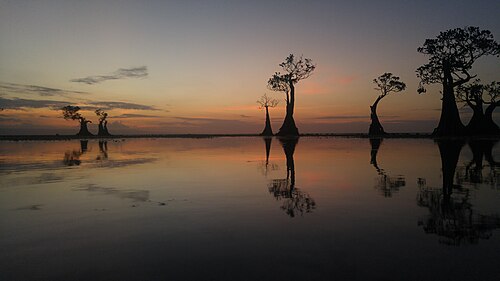
Best sunsets in Sumba: 9 places for golden hour
Where to watch the sunset in Sumba, from the dancing mangroves of Walakiri to the cliffs of Kodi and the savanna hills, with timing tips and sunset hours.