 EN▾






Traditional dress in Sumba: hinggi, lau and ceremonial wear
What Sumbanese men and women wear at ceremonies, the role of ikat cloth, and how visitors should dress when invited to an event.


At a wedding, funeral, Pasola or church festival in Sumba you will see traditional dress worn with great pride. It is built around hand-woven ikat cloth.
Men#
- Hinggi. A large rectangular ikat cloth. One is wrapped around the hips and another is often draped over the shoulder.
- Headcloth. A cloth tied around the head, with styles that differ between regions.
- A long knife in a decorated sheath, tucked into the waist for ceremonies, a symbol of manhood rather than a weapon at such events.
Women#
- Lau. A tubular woven sarong worn from the chest or waist, sometimes decorated with beads or shells.
- Jewellery such as mamuli ornaments, necklaces and, in some areas, ivory or shell bracelets handed down in the family.
When people wear it#
Traditional dress is worn for ceremonies, official events, church festivals and celebrations such as Independence Day on 17 August. Everyday clothes are modern, although older people in the villages often wear sarongs.
If you are invited to an event#
- Covered shoulders and knees are the safe choice; see what to wear in Sumba.
- Hosts sometimes lend a cloth to guests; wearing it is a compliment, and the hosts will show you how.
- Ask before photographing people in ceremonial dress.
FAQ
What is a hinggi?
A large ikat cloth worn by Sumbanese men around the hips and over the shoulder at ceremonies.
What is a lau?
The tubular woven sarong worn by Sumbanese women.
🛖 Culture
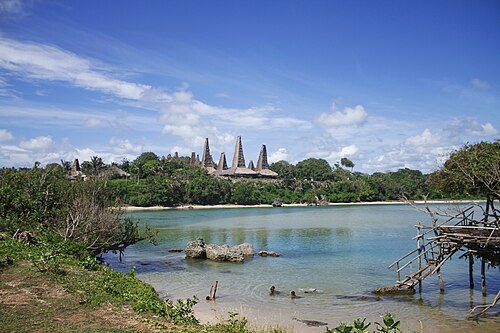 Traditional villages in Sumba: which to visit and howRatenggaro, Wainyapu, Tarung, Pasunga, Prailiu, Rende and more: what to see in Sumba's megalithic villages and how to visit respectfully.Sumba's traditional houses: the tall thatched roofs explainedWhy Sumbanese houses have tall peaked roofs, what each level is for, how they connect to the ancestors, and the best villages to see them.
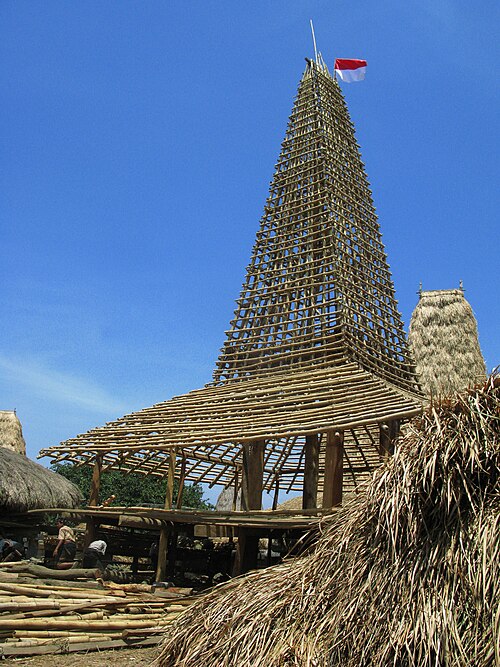 Marapu: Sumba's ancestral religion explainedWhat Marapu is, how it shapes Sumbanese houses, tombs, funerals and the Pasola, and how visitors can show respect.
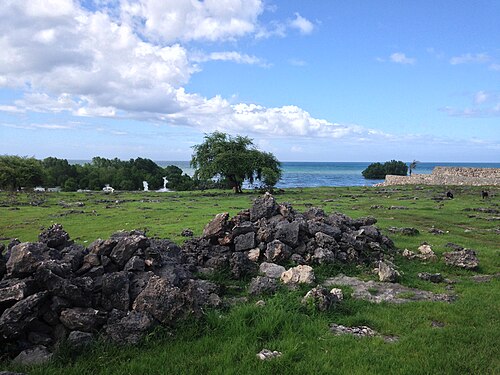 What to eat in Sumba: food, coffee and where to find itFresh fish, smoked meat, local vegetables, Sumba coffee and the betel-nut ritual: what you will eat on the island and practical tips.
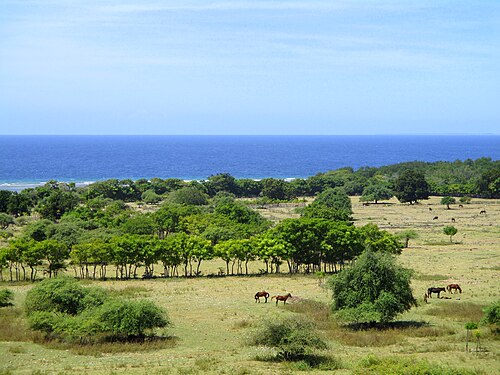 Sumba's horses: sandalwood ponies, Pasola and where to see themHorses are everywhere in Sumba: the history of the sandalwood pony, their role in Marapu culture, dowries and the Pasola, and where to see them.
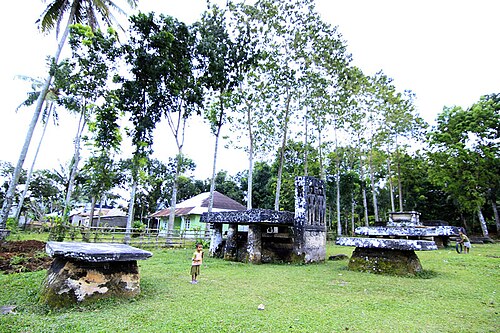 Sumba's megalithic tombs: a living stone-age traditionWhy Sumba is one of the last places where megalithic tombs are still built: meaning, how stones are hauled, where to see the finest tombs and how to visit respectfully.