 EN▾










Buffalo, horses and livestock in Sumbanese life
Why buffalo and horses are measures of wealth in Sumba, how they are used in ceremonies and exchange, and what to expect on the roads.
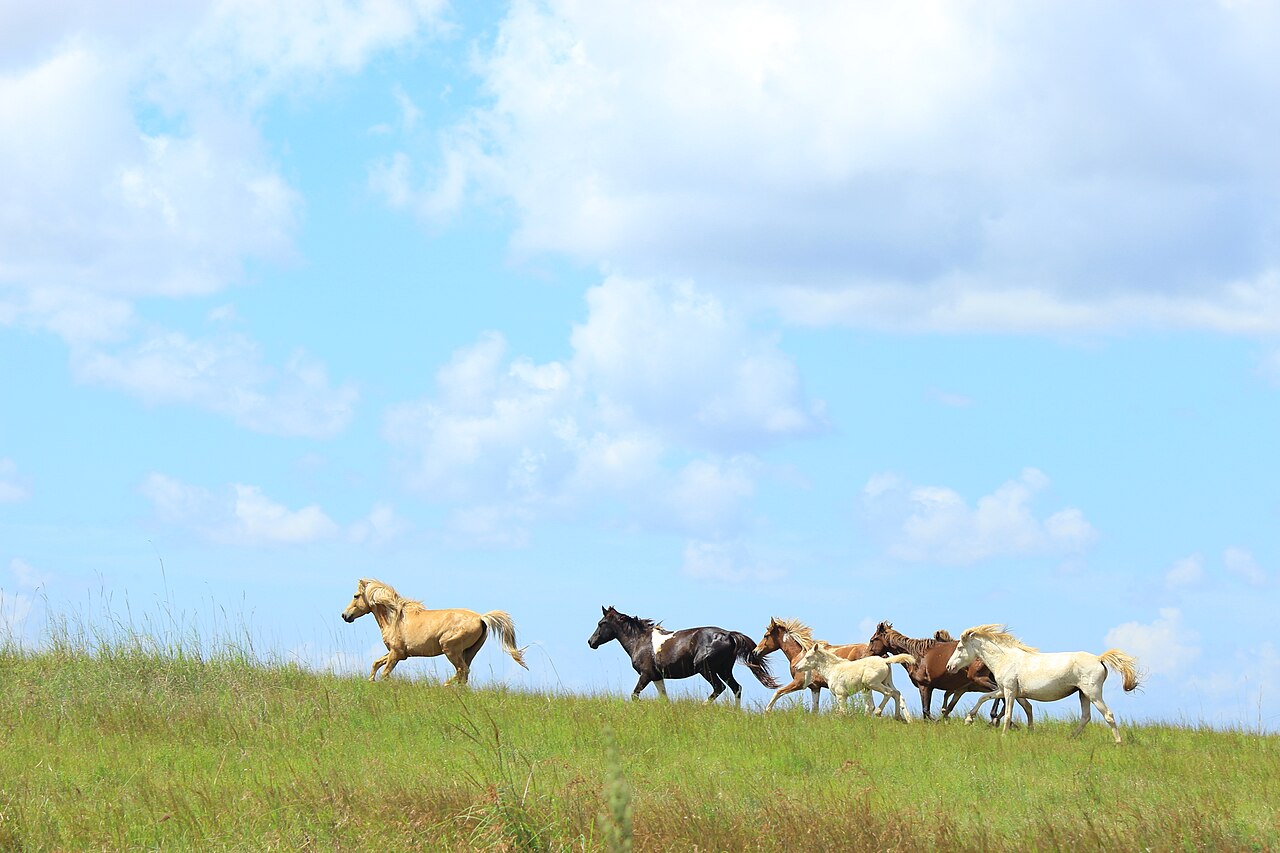

On any drive across Sumba you will share the road with buffalo, horses, cattle, goats and pigs. Livestock is not only a living for Sumbanese families: it is a form of savings, a measure of standing and an essential part of every ceremony.
Wealth on four legs#
- Buffalo are among the most valuable animals. Their horns are often displayed on the front of ancestral houses as a record of the sacrifices a family has made.
- Horses are used for riding, for the Pasola and as gifts in marriage exchange.
- Pigs are raised by almost every family and given by the bride's side in exchange.
- Cattle graze the savannahs of the east and are an important source of cash income.
In ceremonies#
Animals are sacrificed at funerals, house-building rites and other ceremonies, especially in Marapu communities. The number and kind of animals reflect the importance of the event. See funerals in Sumba.
On the road#
- Animals cross without warning, including at night; this is one of the main reasons to drive slowly and avoid driving after dark.
- Hitting an animal is a serious matter for its owner; if it happens, stop and let your driver handle it.
- Herds on the savannah are a highlight of East Sumba and the Mamboro savanna.
Seeing horses and buffalo#
Early morning and late afternoon are best for photos of herds on the grasslands. Ask before photographing animals in a village; they belong to someone. Read the horses of Sumba and road conditions.
FAQ
Why are there buffalo horns on houses in Sumba?
They record the buffalo the family has sacrificed in ceremonies, a sign of the house's standing.
Are animals a hazard on Sumba's roads?
Yes. Buffalo, horses, goats and pigs cross without warning, especially around villages and after dark.
🛖 Culture
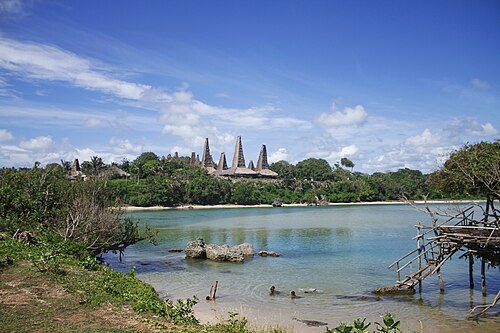 Traditional villages in Sumba: which to visit and howRatenggaro, Wainyapu, Tarung, Pasunga, Prailiu, Rende and more: what to see in Sumba's megalithic villages and how to visit respectfully.
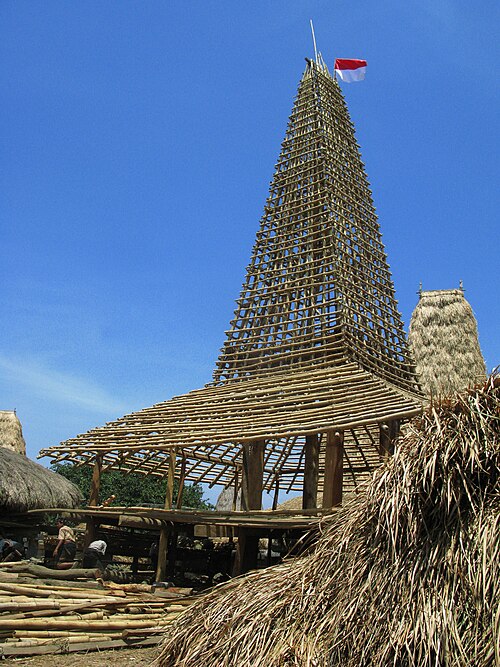 Marapu: Sumba's ancestral religion explainedWhat Marapu is, how it shapes Sumbanese houses, tombs, funerals and the Pasola, and how visitors can show respect.
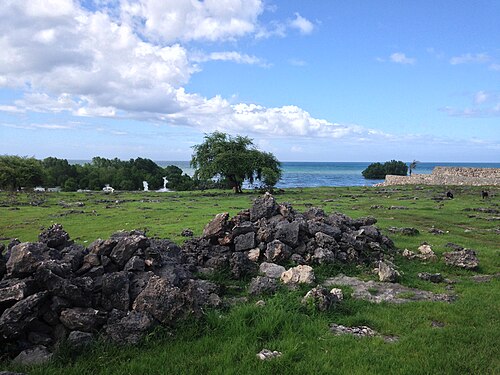 What to eat in Sumba: food, coffee and where to find itFresh fish, smoked meat, local vegetables, Sumba coffee and the betel-nut ritual: what you will eat on the island and practical tips.
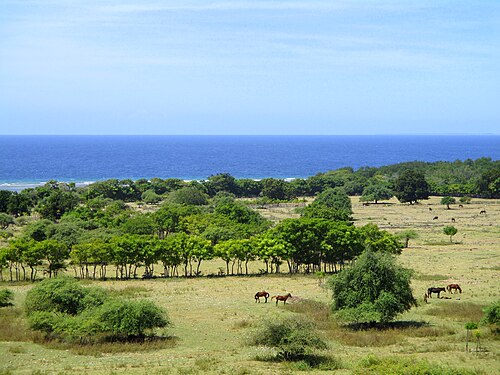 Sumba's horses: sandalwood ponies, Pasola and where to see themHorses are everywhere in Sumba: the history of the sandalwood pony, their role in Marapu culture, dowries and the Pasola, and where to see them.
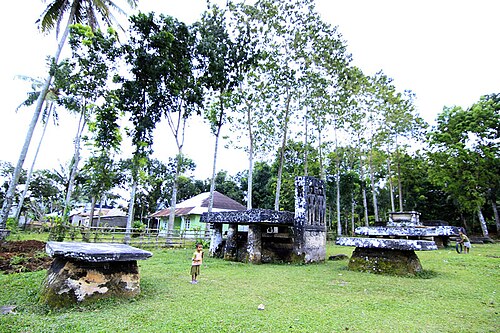 Sumba's megalithic tombs: a living stone-age traditionWhy Sumba is one of the last places where megalithic tombs are still built: meaning, how stones are hauled, where to see the finest tombs and how to visit respectfully.Sumba's traditional houses: the tall thatched roofs explainedWhy Sumbanese houses have tall peaked roofs, what each level is for, how they connect to the ancestors, and the best villages to see them.